Your cart is empty.
Acrylic Fine Arts
Welcome to our dedicated space for acrylic paint fine arts. This modern medium offers great flexibility for art students and demanding painters. With quick drying and water dilution, artist acrylic allows for color layering without waiting. Our selection includes leading brands like Liquitex, Amsterdam, and Pébéo to ensure intense pigmentation and excellent durability. Looking for a simpler quality? Check out our section dedicated to acrylic paints for creative hobbies.
Understanding Artist Quality Acrylic Paint
Artist quality acrylic paint stands out due to its maximum concentration of pure pigments. Unlike school ranges, it uses a high-end polymer binder that prevents yellowing and guarantees perfect opacity. The viscosity of the paste allows for brush or knife strokes to be preserved, ideal for impasto techniques. The colors resist light perfectly to ensure the longevity of your works.
The Benefits of Study Acrylic for Your Learning
For students and painters working on large formats, study acrylic represents an excellent technical and financial compromise. The pigment load remains high but incorporates more neutral fillers. The final rendering is often more uniform, with a satin or matte finish depending on the manufacturers. The shades mix easily, facilitating the learning of color theory without wasting thick paste. These economical tubes are perfect for sketching backgrounds or creating underlayers on your canvases before moving on to details with superior pigments.
Mediums and Additives to Modify Your Paste
The main advantage of acrylic lies in its modularity. By adding specific mediums, you can modify the consistency of the color coming out of the tube. A thickening gel will add more volume for knife work. A smoothing fluid will increase transparency for creating fine glazes. You will find all these additives in our store, always at low prices throughout the year.
Choosing the Right Supports and Brushes
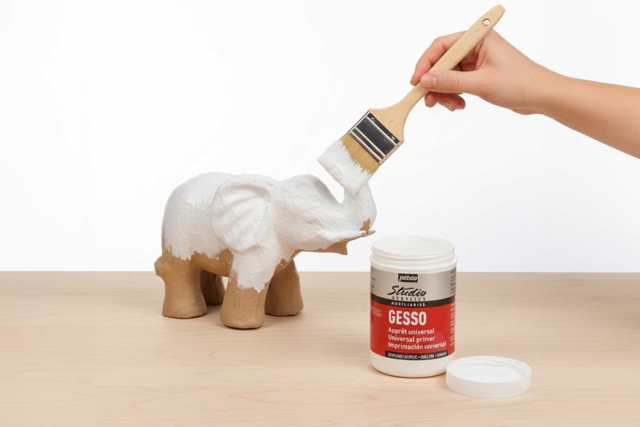
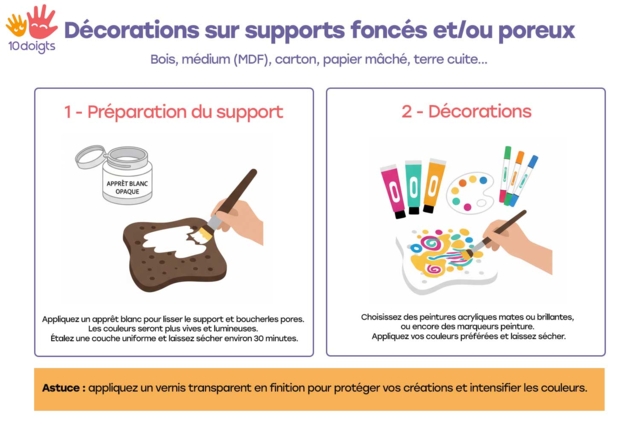
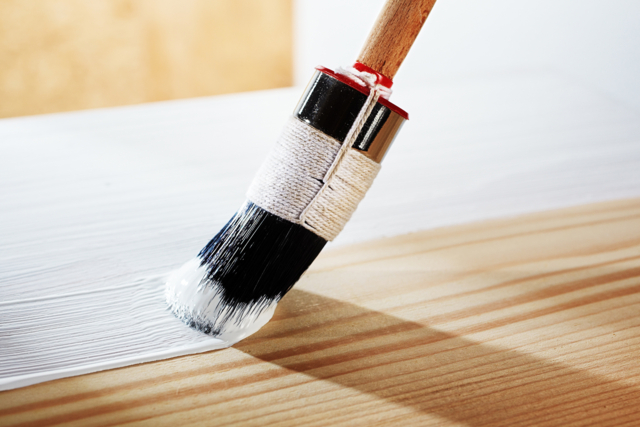
A quality color requires appropriate tools to reveal its full potential. Synthetic fiber brushes are highly recommended for moving the thick and textured paste of acrylic without losing their shape. Regarding the working surface, prepare your cotton or linen canvases, your canvas boards, or your wooden panels with a layer of gesso. This white or black primer isolates the porous support and optimizes the adhesion of your first layers of color.
FAQ
Which acrylic paint to choose for beginners?
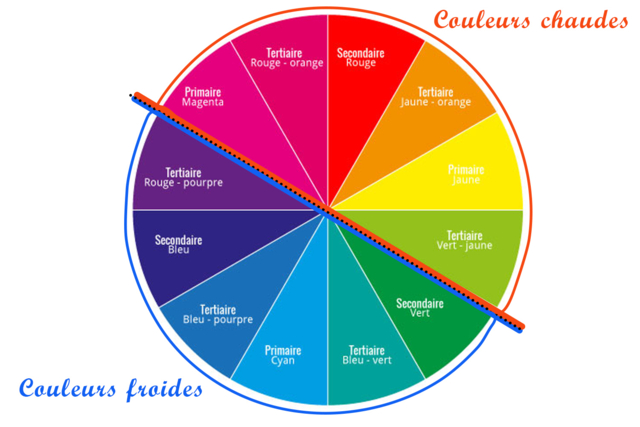
For beginners, prioritize a study acrylic in the form of a complete set or primary tubes. This range offers an excellent balance between pigment quality and cost. It allows for easy learning of color mixing. Buy primary colors, titanium white, and ivory black.
What is the difference between fine or study acrylic and artist quality acrylic?
The difference lies in the concentration and purity of the pigments. Artist quality acrylic contains fewer added fillers, offering a more intense and vibrant color. Study acrylic incorporates more binder, which slightly alters opacity but allows for practice on large canvases at a lower cost.
What supports to use with fine arts acrylic paint?
This medium adheres to almost all non-greasy surfaces. You can paint on cotton canvases, linen, wood, cardboard, or heavy-weight paper. It is always advisable to apply a layer of gesso beforehand to ensure good adhesion and preserve the fibers.
How to slow down the drying time of your acrylic?
The very quick drying of the polymer resin can complicate the creation of fluid gradients. To remedy this problem, you can use a retardant medium to mix on your palette, or regularly spray a fine mist of clear water on your colors during your working session.
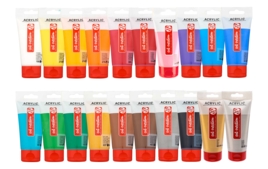
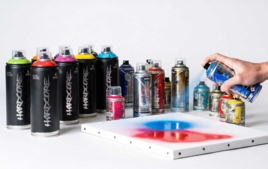
14 products
-
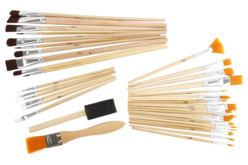
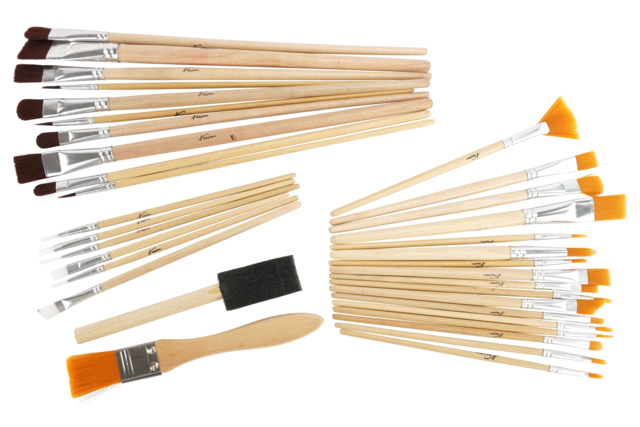
Brushes and Tools - 35 Pieces
14,99€ -

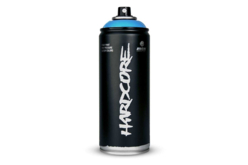
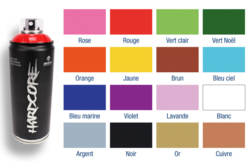
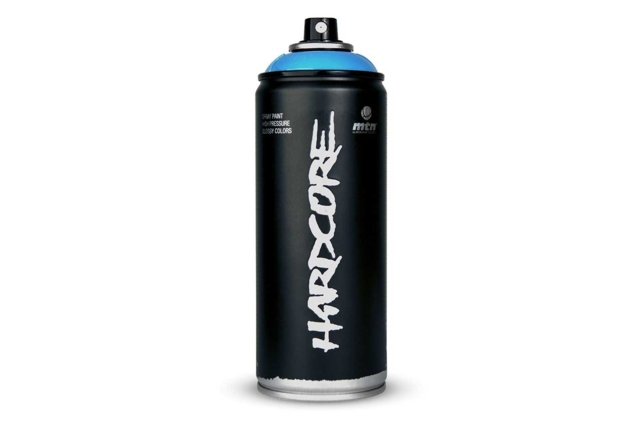
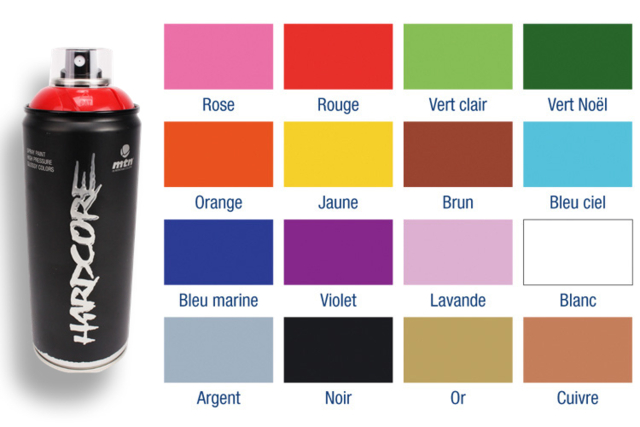
Montana Hardcore Spray Paint - 400 ml
from 9,99€ -

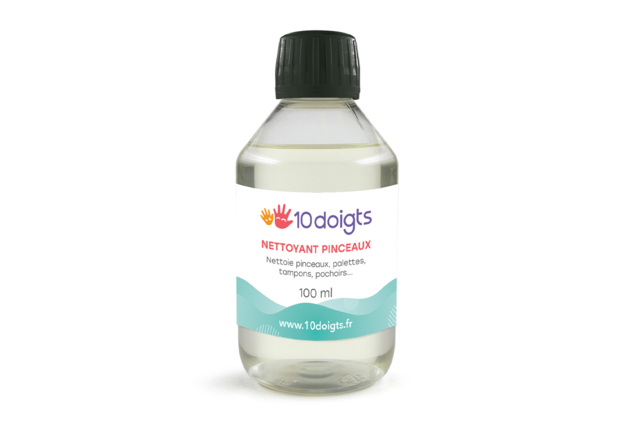
Brush Cleaner
5,99€ -
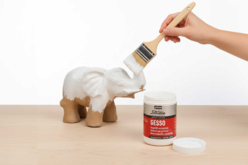
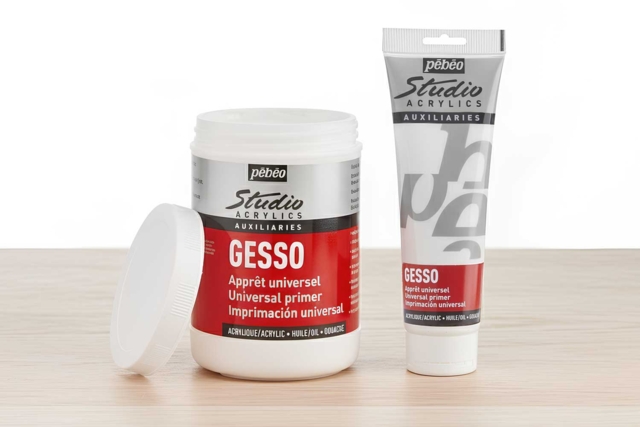

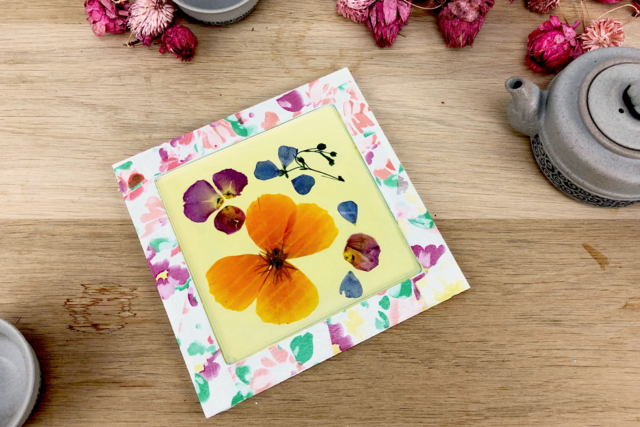
Ready-to-Use Gesso
from 7,99€ -

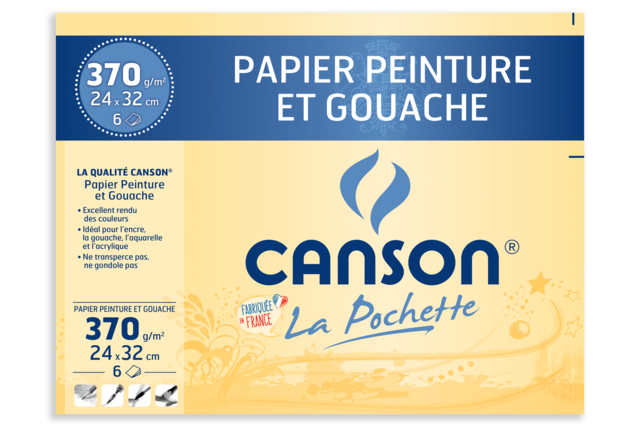
Canson Painting Paper - 6 Sheets
6,29€ -
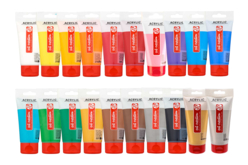
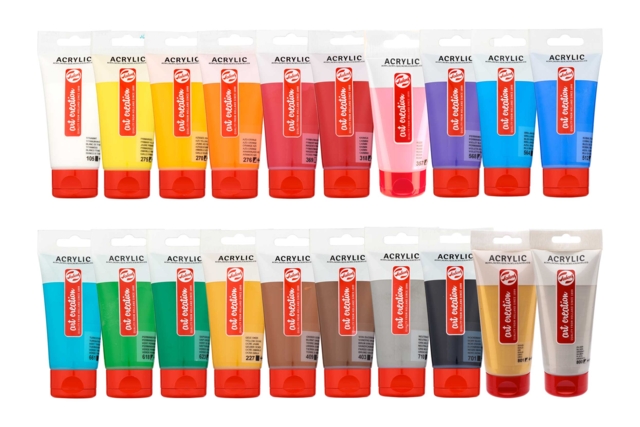
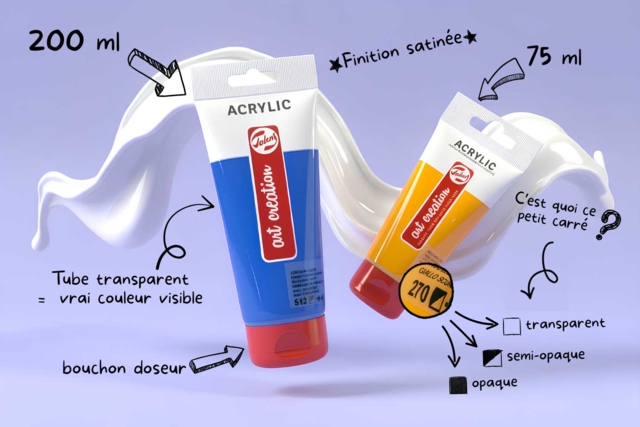
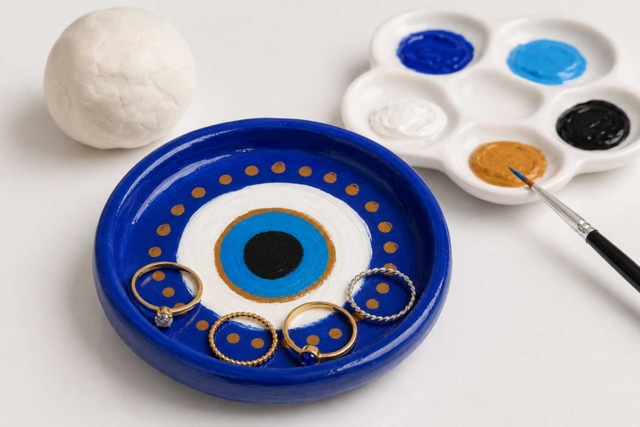
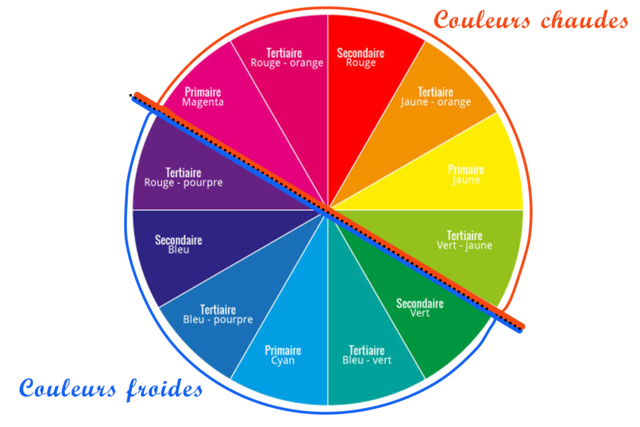
Talens Rotal Acrylic Paint - 75 ml
from 3,79€ -
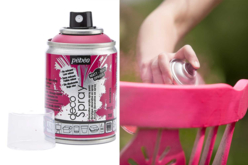
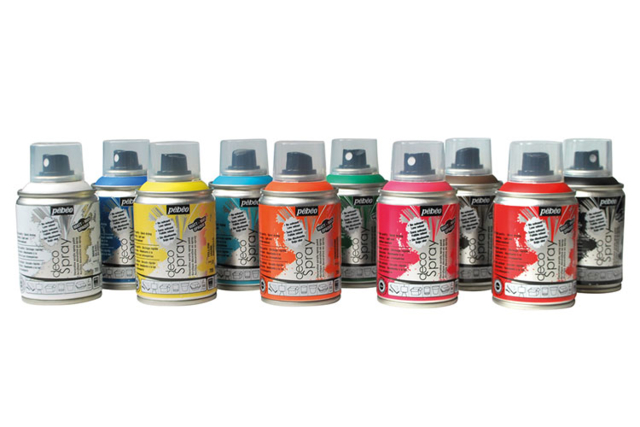
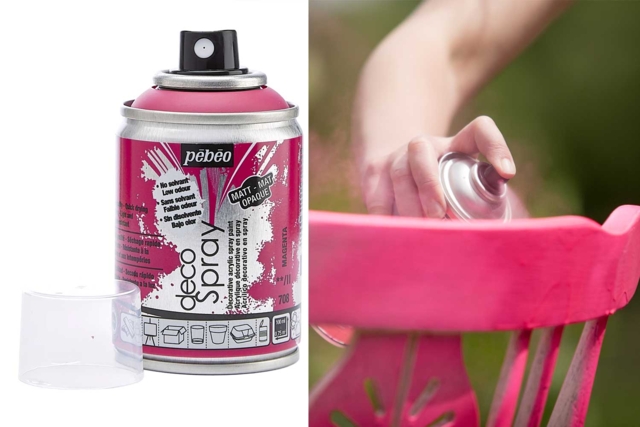
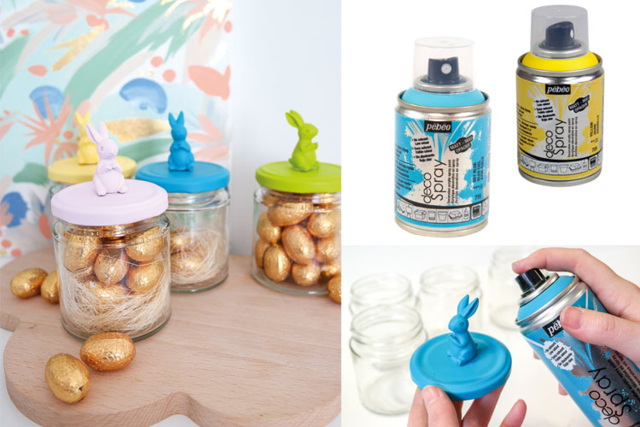

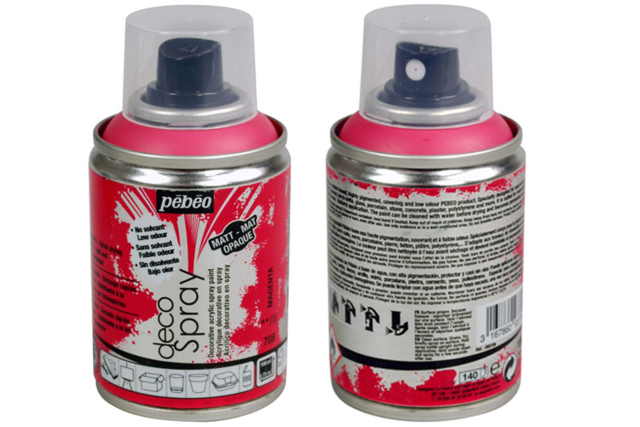

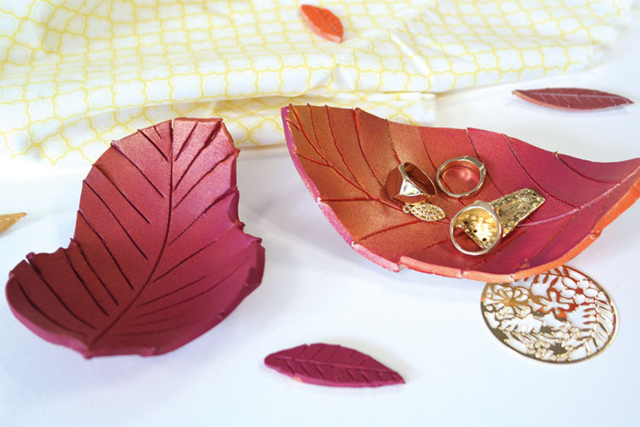
DECOSPRAY Paint - 10 Colors
74,49€ -
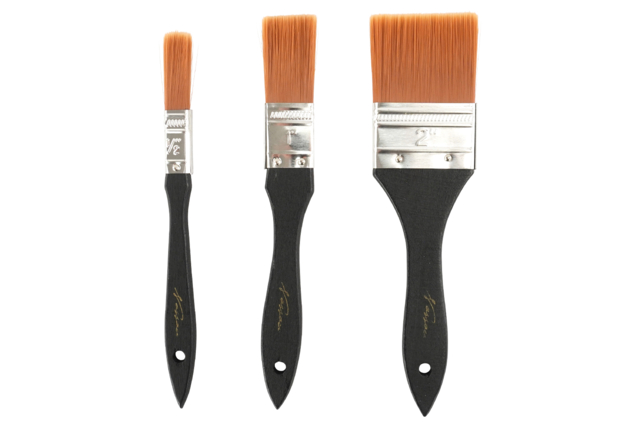
Synthetic Hair Flat Brushes - 3 Pieces
3,99€ -
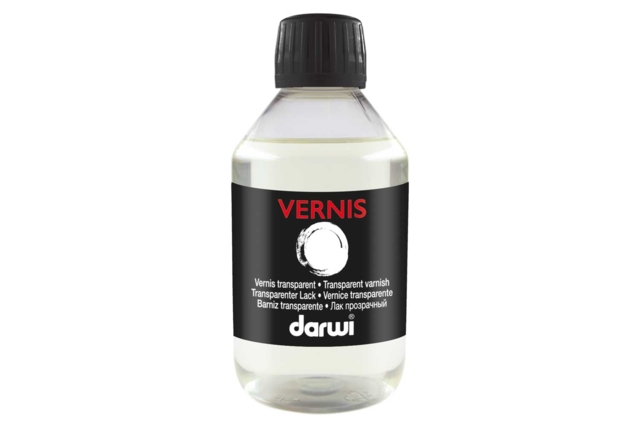
Brilliant Varnish Fine Arts
12,99€ -
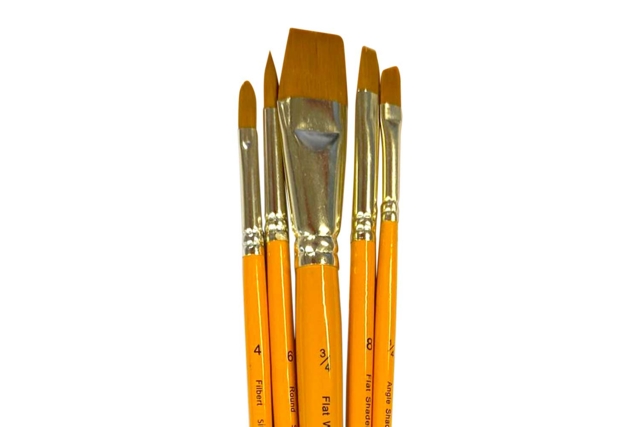
Acrylic Synthetic Brushes - 5 Pieces
7,90€ -
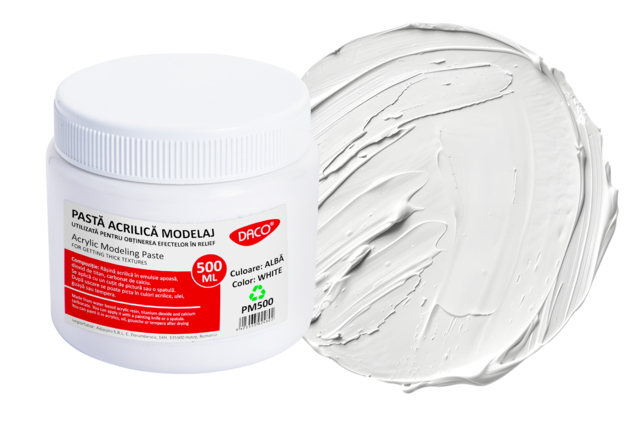
Acrylic Modeling Paste - 500 ml
11,99€ -
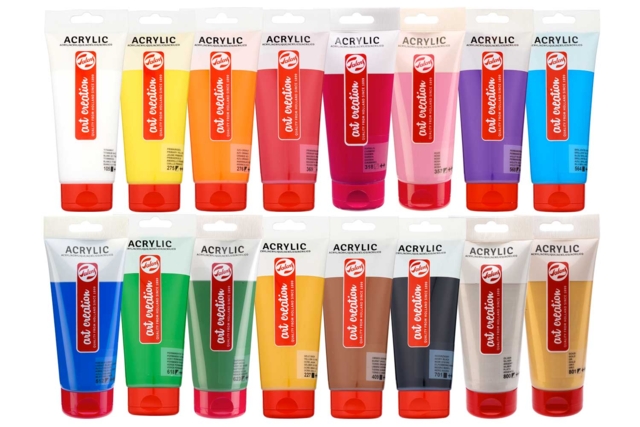
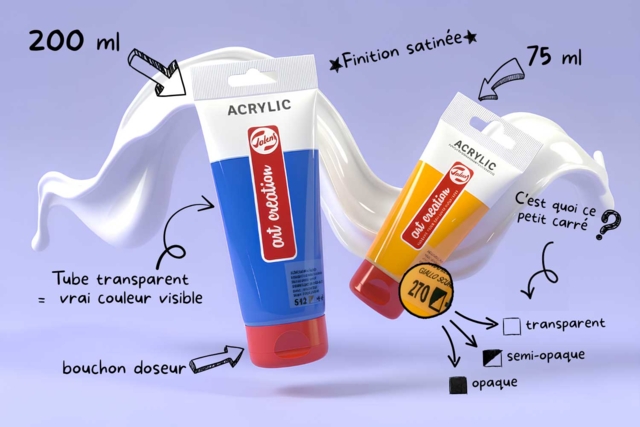
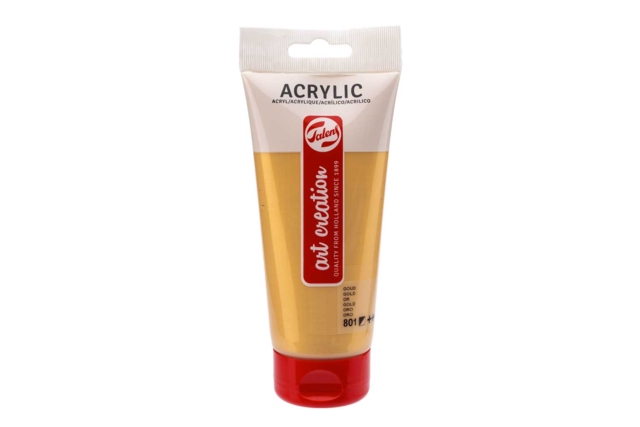
Talens Acrylic Paint - 200 ml
from 6,90€ -
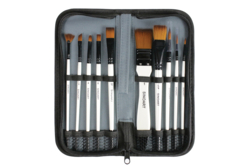
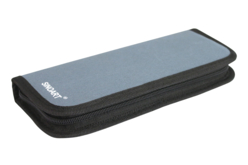
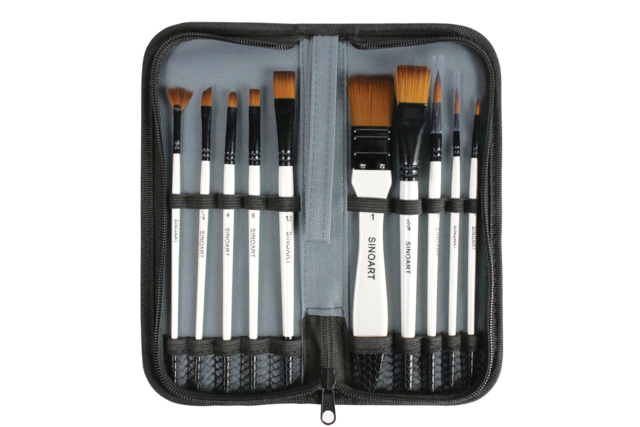
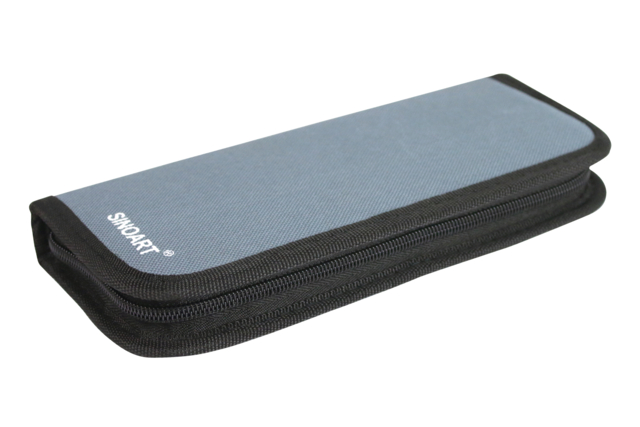
Brushes with Storage Case - 10 Pieces
11,99€ -
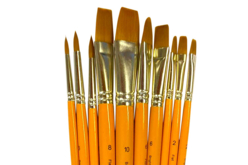
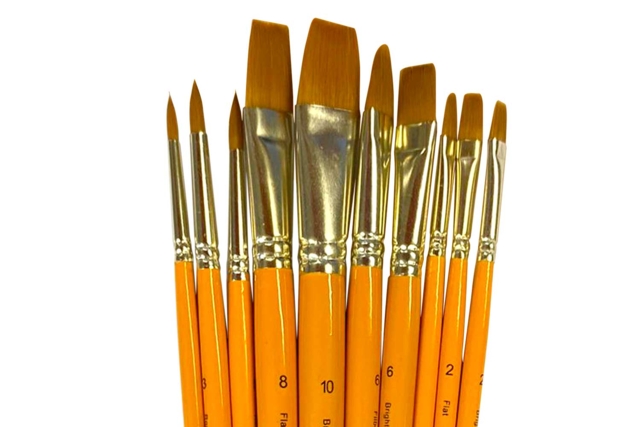
Synthetic Acrylic Paintbrushes - 10 Pieces
12,90€