Your cart is empty.
Mediums and additives for acrylic painting
The mediums and additives for acrylic painting allow you to modify the properties of the paint without altering its quality. True allies for artists, these additives serve to thin the paint, slow its drying time, create texture effects, increase transparency, or provide long-lasting protection for a work. Discover our selection of gesso, binders, gels, texture pastes, drying retarders, and finishing varnishes to fully exploit the potential of your artist acrylic paint. On the occasion of the Back to Arts, find the essentials for painting or creating freely.
Preparing your support with gesso
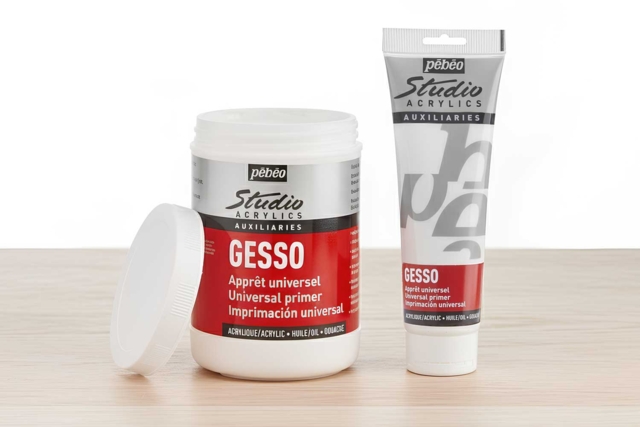
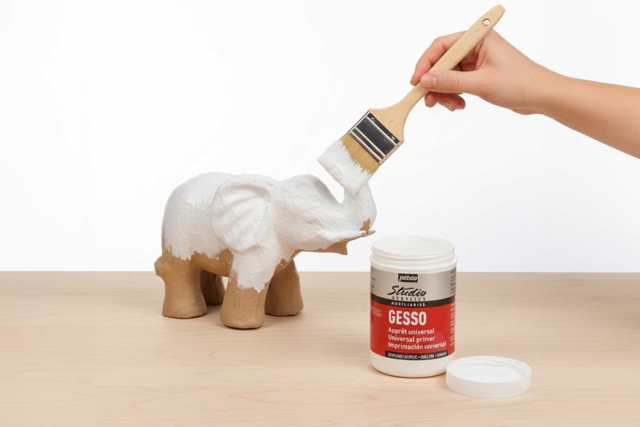
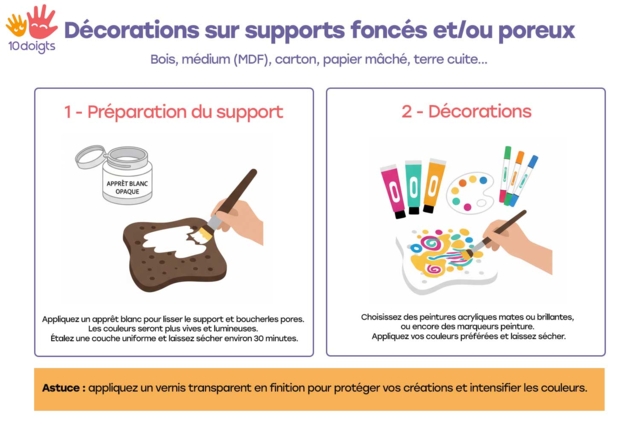
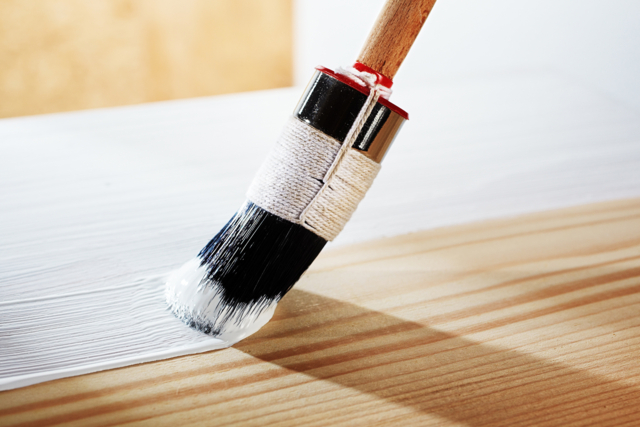
Before starting a painting, it is recommended to apply gesso on raw supports such as canvas, wood, or cardboard. This primer creates a slightly absorbent surface that improves paint adhesion and limits the absorption of the support. Available in white, black, or transparent, it also allows for a uniform background before applying color. Gesso can be applied to both canvas and primed cardboard or a multi-technique paper (Mix Media) that is thick enough to create a surface suitable for acrylic painting.
Thinning the paint or slowing its drying
Acrylic paint dries quickly, which can complicate the creation of blends or gradients. To thin the paint, use a fluid medium or acrylic thinner. Unlike excessive dilution with water, these products maintain the covering power and adhesion of the paint while facilitating its application. To work longer with your mixtures, a drying retardant extends the open time of the paint. It is particularly appreciated for blends, gradients, and glazes that require a gradual transition between colors.
Creating reliefs and texture effects
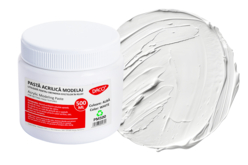
Gels and texture pastes allow you to thicken the paint and create volumes directly on the canvas. Texture paste is ideal for creating impasto and marked textures. It retains the traces of the brush or knife and dries without cracking. Structure gels, on the other hand, increase the volume of the paint while playing with its transparency or finish. They allow for the creation of more subtle reliefs, glazes, or decorative effects while maintaining the intensity of the pigments. When combined with a quality artist acrylic paint, these mediums allow for more intense colors and particularly durable texture effects.
Can Bindex be used for mixed techniques?
Yes. Bindex is an acrylic binder particularly appreciated in mixed techniques. It improves adhesion between different layers, increases the transparency of the paint, and also allows for collages or preparing certain supports before applying color.
Protecting your work with a varnish
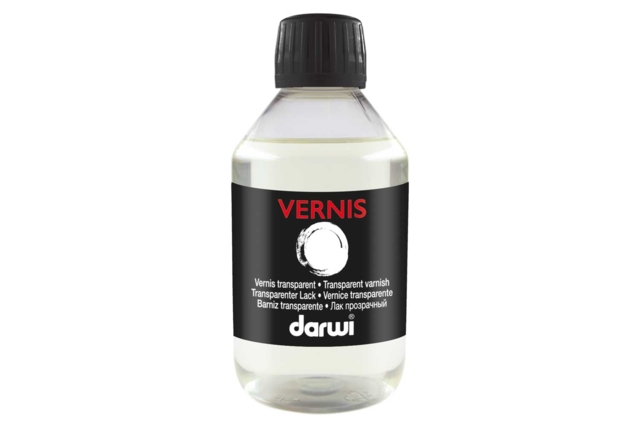
Once the paint is completely dry, applying a finishing varnish provides long-lasting protection for the work against dust, scratches, and UV rays. Available in matte, satin, or glossy finishes, it also helps to uniform the surface appearance and revive the intensity of the colors.
FAQ
What product should be used to thin acrylic paint?
To thin acrylic paint without reducing its resistance, prefer a fluid medium or acrylic thinner. They allow for a more liquid paint while maintaining its covering power and adhesion.
How to slow down the drying time of acrylic paint?
Using a drying retardant extends the working time of the paint. It facilitates the creation of gradients, blends, and glazes by preventing the paint from drying too quickly.
How to create relief on a canvas?
Texture pastes and structure gels are specially designed to create texture effects and impasto. They allow you to sculpt the paint and retain the traces of tools after drying.
What is Bindex used for?
Bindex is an acrylic binder that improves adhesion, increases the transparency of the paint, and also allows for collages or mixed techniques.
Should a varnish be applied to acrylic paint?
Applying a finishing varnish is recommended to provide long-lasting protection for the work against external aggressions and to uniform its appearance, whether matte, satin, or glossy.
Complete your toolkit
To fully exploit the possibilities of acrylic paint, also discover our selection of brushes and tools suitable for acrylic, designed for flat washes, glazes, impasto, or texture effects. Want to experiment with other application methods? Also discover our spray paint, ideal for quickly creating backgrounds, gradients, or graphic effects on various fine art supports.
4 products
-

Brush Cleaner
5,99€ -
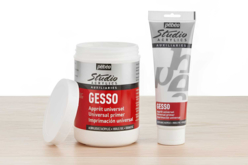
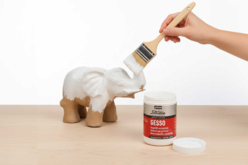

Ready-to-Use Gesso
from 7,99€ -
Brilliant Varnish Fine Arts
12,99€ -
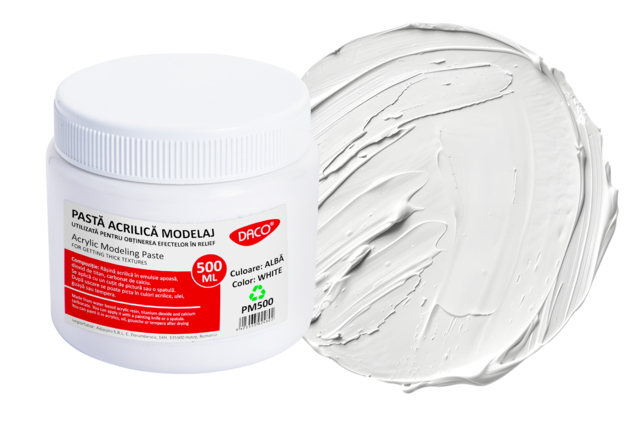
Acrylic Modeling Paste - 500 ml
11,99€