Your cart is empty.
Brush markers: precision and flexibility for drawing
Brush markers allow you to replicate the gesture of a brush while maintaining the ease of use of a marker. Their flexible tip facilitates variations in thickness: a light touch produces a fine line, while greater pressure yields a wider stroke. Depending on the models, they can be used for drawing, coloring, lettering, illustration, or coloring. The selection is suitable for both creative activities and for students and drawing enthusiasts, with portable formats and a variety of colors.
What is the difference between brush markers?
Not all brush markers produce the same result. Dual-tip markers generally combine a fine tip with a broader or brush tip: they are practical for varying strokes within the same illustration. Models with a brush tip are particularly interesting for lettering, expressive outlines, and flat areas created with fluid gestures. To achieve transparency effects, watercolor markers can be worked with water, especially with a reservoir brush. Conversely, acrylic brush markers deposit a more opaque paint, suitable for creations on surfaces compatible with this type of marker.
Markers suitable for both drawing and coloring
The brush tip offers great freedom for illustrations, coloring, lettering, and sketches. It allows for natural modification of line thickness without changing tools. Sets of multiple colors also facilitate gradients, color combinations, and multicolored compositions. For drawings requiring very regular outlines, precision markers are still more suitable. Their rigid and precise tip allows for working on details, hatching, and inking with greater consistency.
What paper to use with brush markers?
The choice of paper depends on the type of marker. For markers intended for drawing and lettering, a smooth graphic arts paper facilitates the glide of the tip and allows for clean lines. With watercolor markers, prefer a paper that can withstand water applications. For acrylic markers, the support should be chosen based on the surface on which you wish to create. This difference is important to avoid selecting paper solely based on the desired visual effect.
Complete your graphic arts materials
Brush markers can be paired with graphic arts papers suitable for drawing and coloring techniques. For more precise strokes, also discover precision markers and technical drawing and tracing accessories. Mixed media enthusiasts can also explore multi-surface markers or fine arts inks, depending on the desired effect. This allows for gradually composing a material suitable for drawing, illustration, and lettering, at home or in the studio.
Your questions about brush markers
Are brush markers suitable for lettering?
Yes. Their flexible tip allows for easy variation in line thickness depending on the pressure applied. They are particularly suitable for handwritten letters, decorative compositions, and brush lettering exercises.
What is the difference between a brush marker and a precision marker?
A brush marker has a flexible tip that allows for variation in line thickness. A precision marker has a stiffer and more regular tip, designed to create lines of consistent thickness and precise details.
Can brush markers be used for watercolor?
Some models are specifically designed to be worked with water. They allow for creating gradients and wash effects. It is advisable to check the nature of the marker before wetting it.
7 products
-
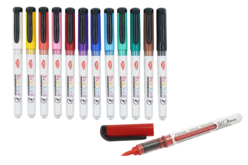
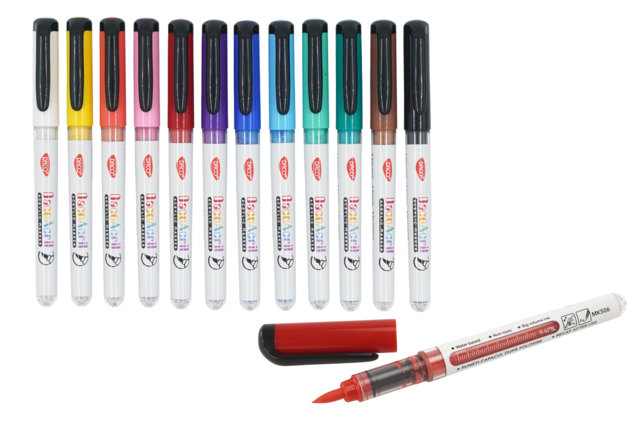
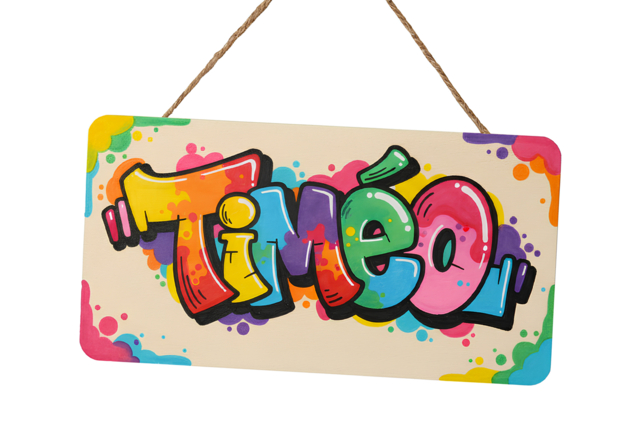
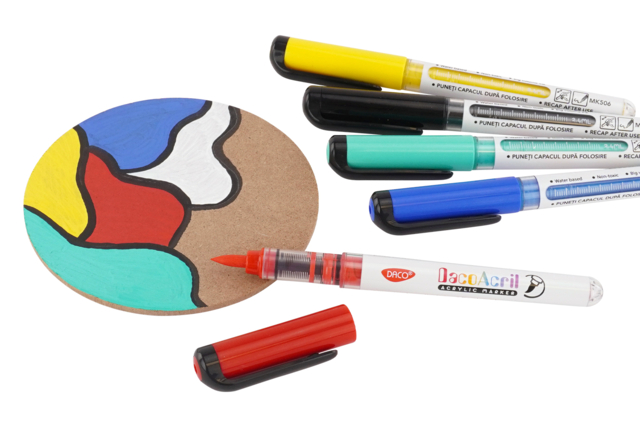
Acrylic Brush Tip Markers - 12 Bright Colors
12,99€ -
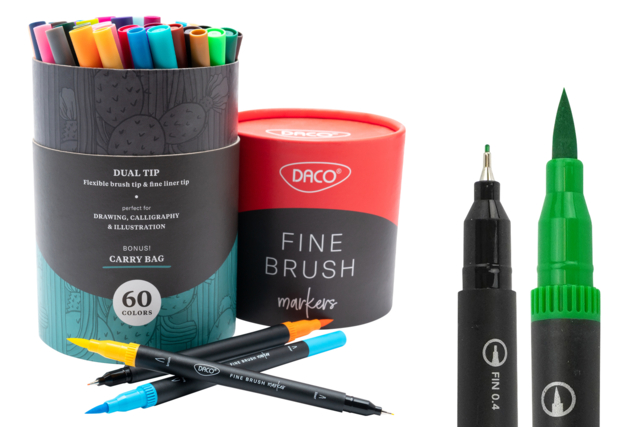
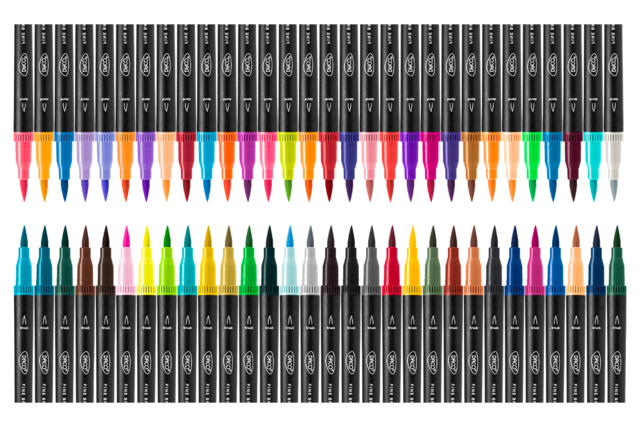
Double-Ended Markers - 60 Pieces
29,90€ -
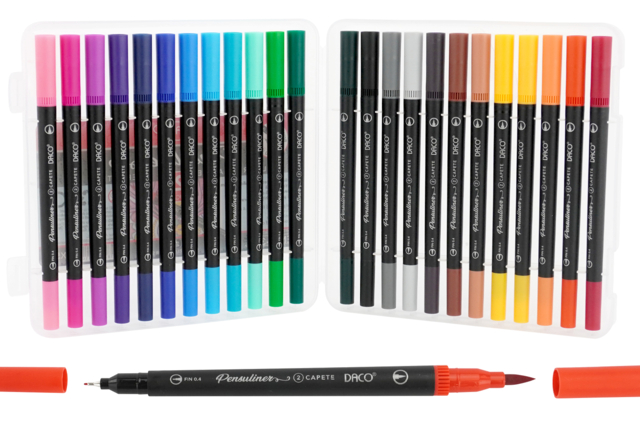
Dual Tip Markers - 24 Pieces
16,90€ -
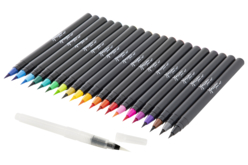
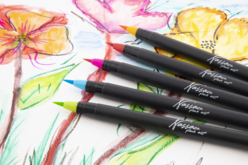
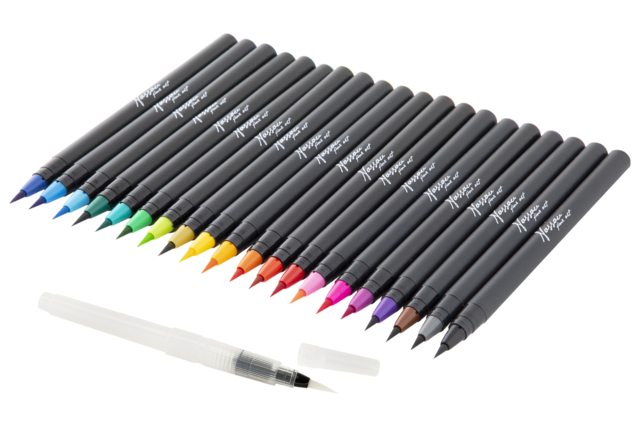
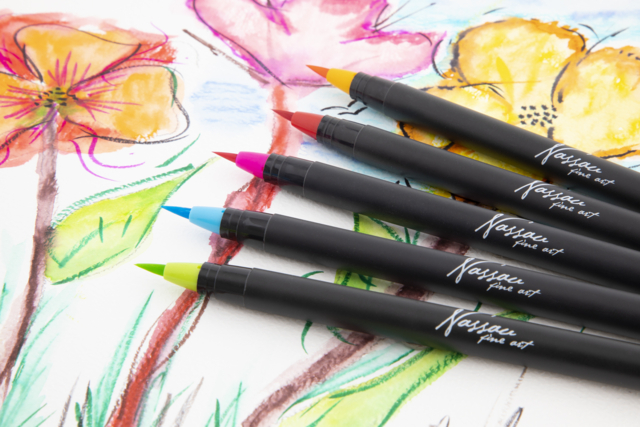
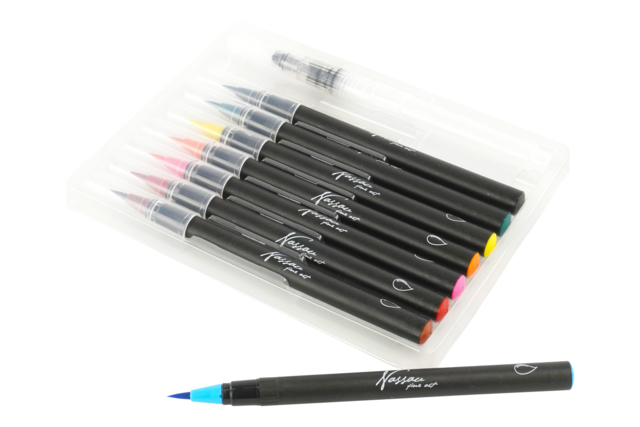
Watercolor Markers + 1 Water Brush
from 7,99€ -
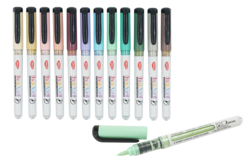
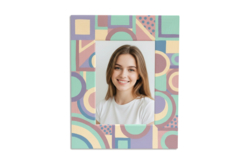
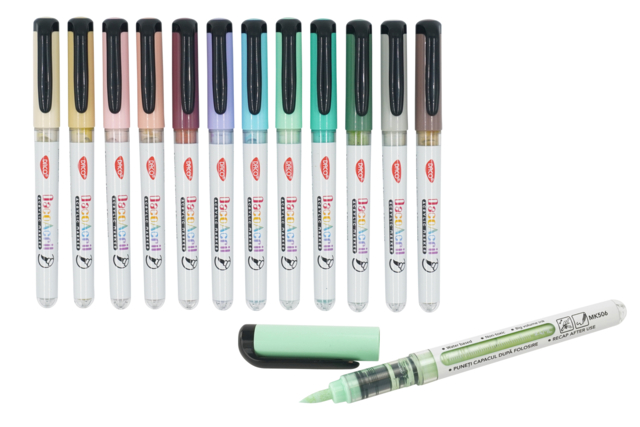
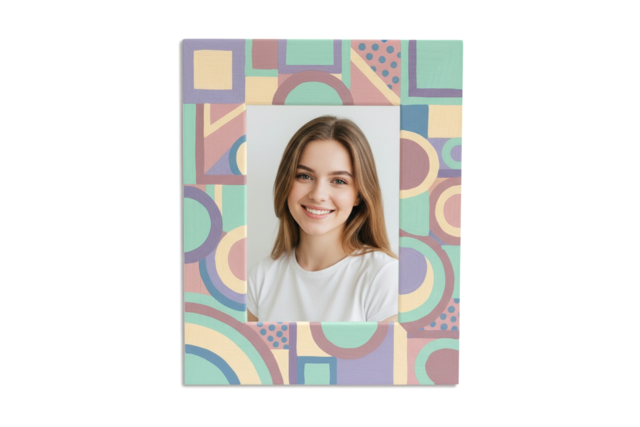
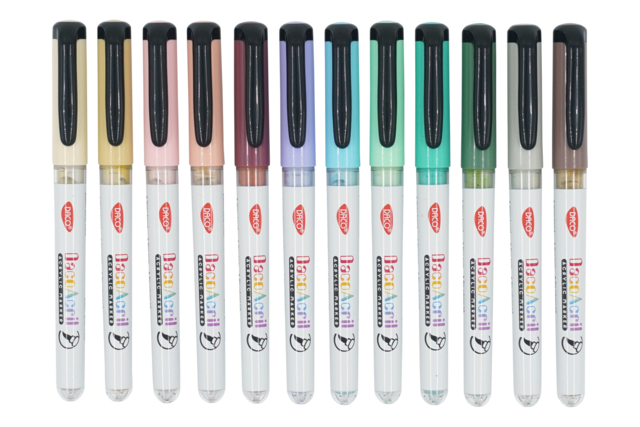
Brush Tip Acrylic Markers - 12 Pastel Colors
12,99€ -
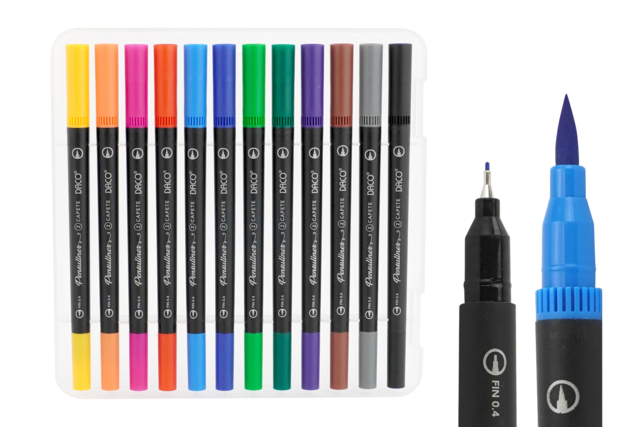
Dual Tip Markers - 12 Pieces
9,90€ -
 VICTIM OF ITS OWN SUCCESS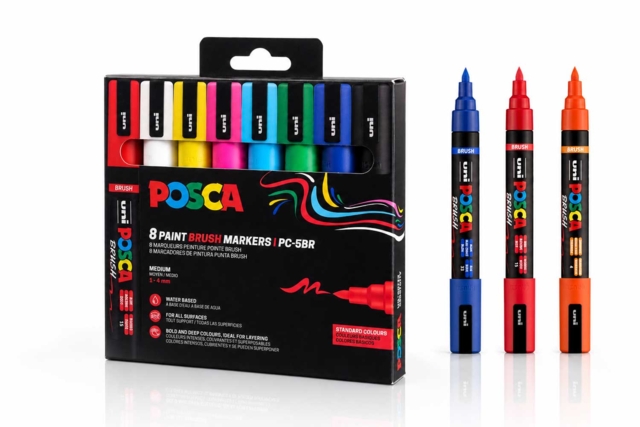
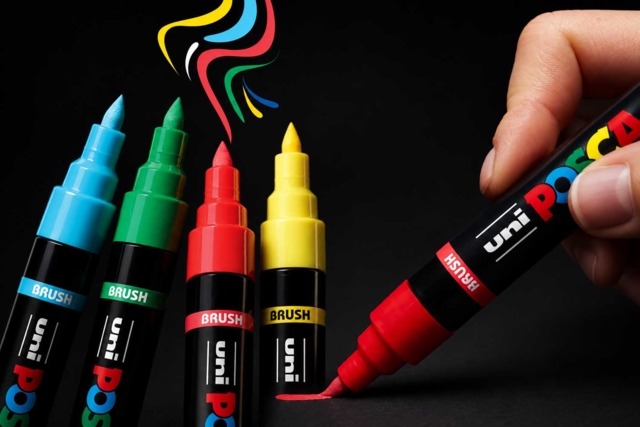
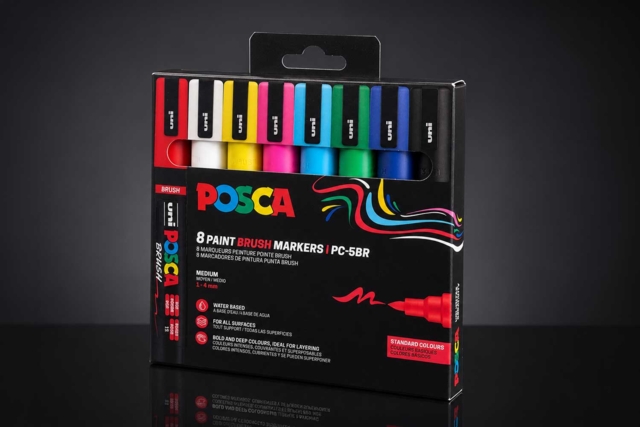
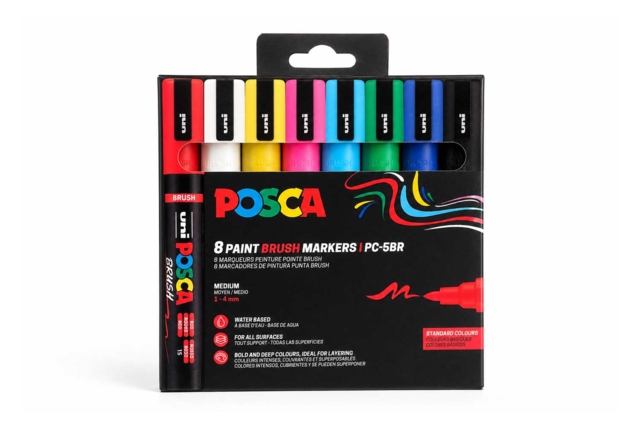
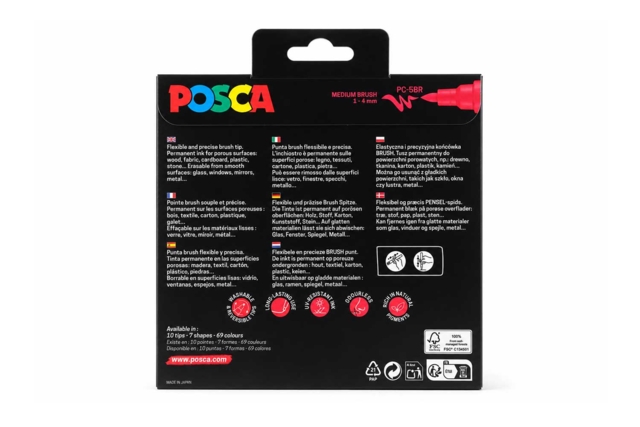
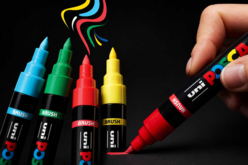
Posca Brush Markers - 8 Colors
39,99€