Your cart is empty.
Felting, carded wool
Felting: A sensory and fun creative activity for all ages
Wool felting is a creative activity that is both original, sensory, and relaxing, ideal for children and adults alike. Accessible from a very young age, this technique allows the transformation of carded wool into decorative items, accessories, or figurines, without sewing or knitting. Perfect for developing fine motor skills, creativity, and concentration, felting easily fits in at home, at school, or in creative leisure workshops.
What does felting involve?
The activity of felting involves entangling wool fibers to form a dense and pliable textile called felt. There are two main techniques:
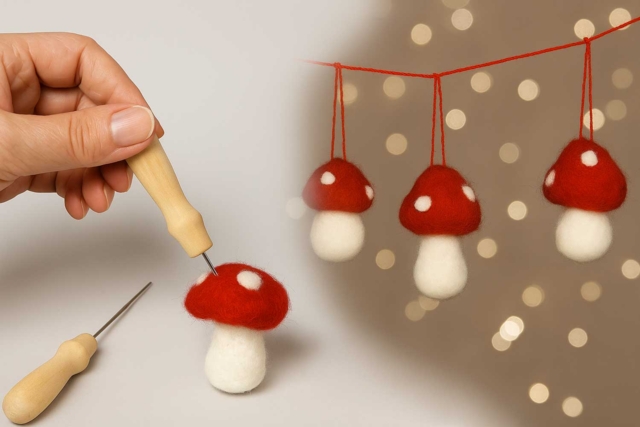
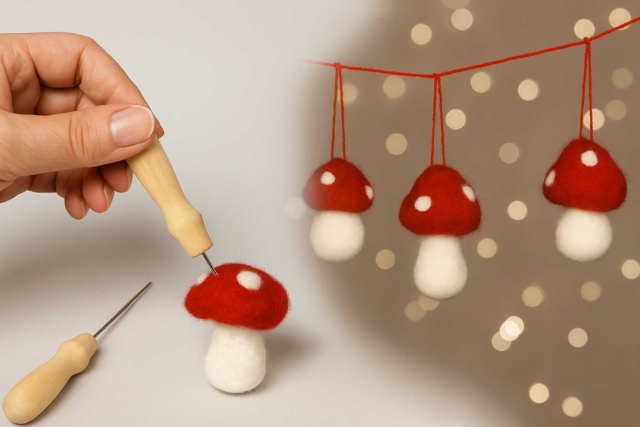
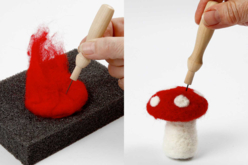
- Needle felting (dry felting): This involves poking the wool with a special needle equipped with tiny barbs, which entangles the fibers without using water.
- Wet and soapy felting: The wool is moistened with hot soapy water, then rubbed, pressed, and rolled until the fibers mat together.
What materials are needed to start felting?
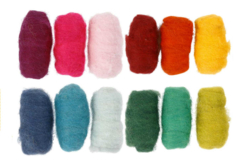
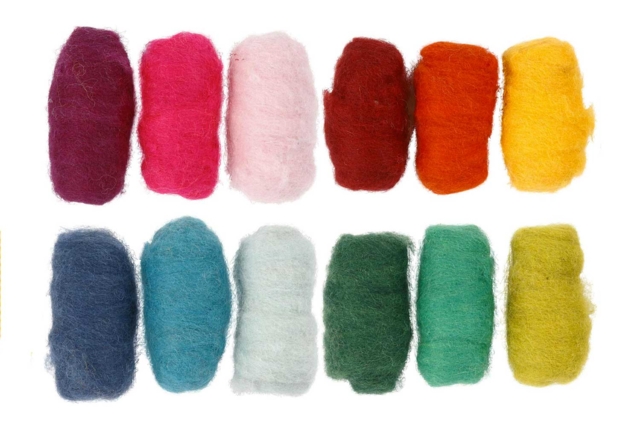
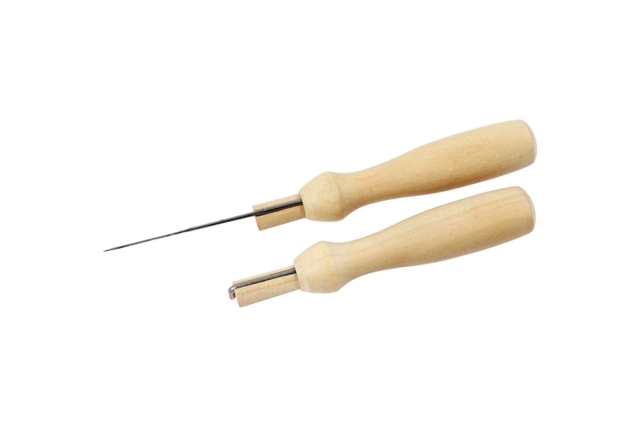
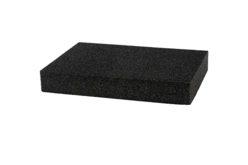
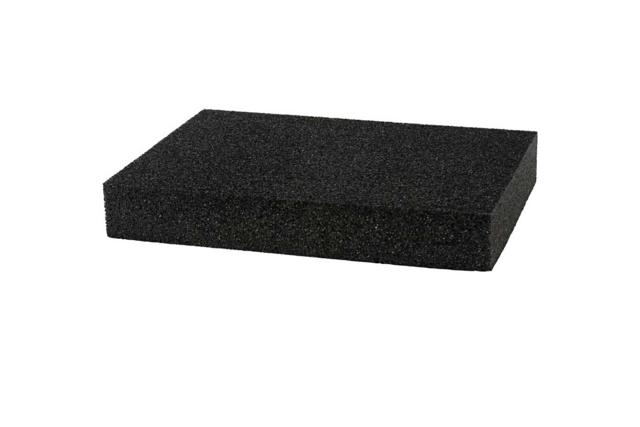
Here is the essential equipment to get started with dry felting: Carded wool, felting needles (special barbed needles), and felting base (foam, brush, or thick felt).
Felting enables the creation of a wide variety of creative objects:
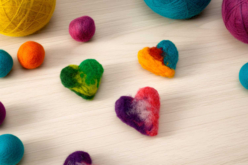
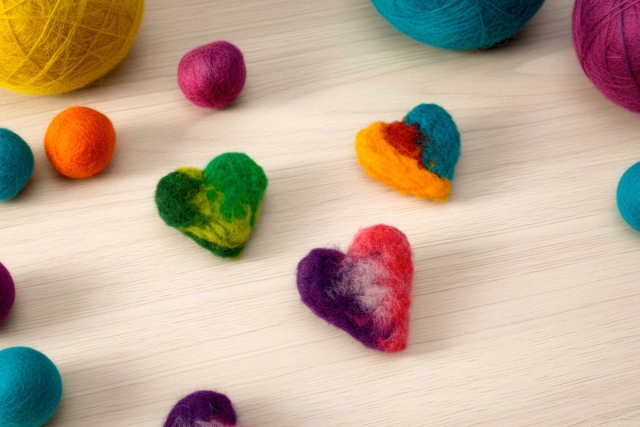
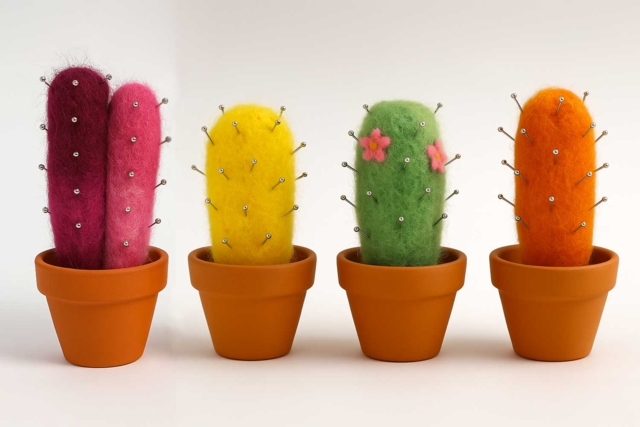
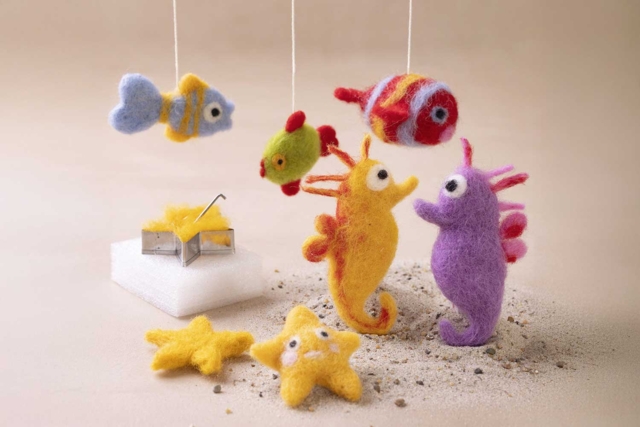
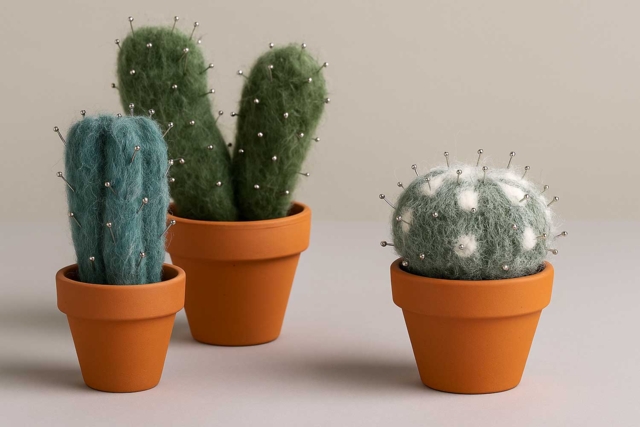
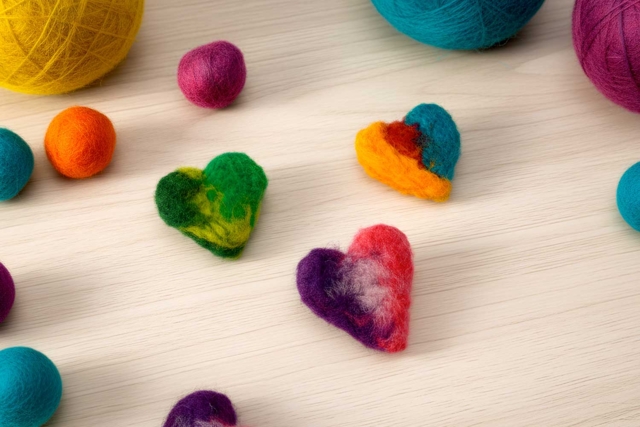
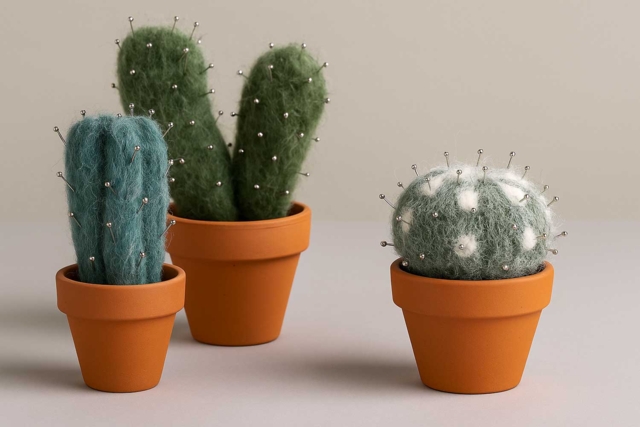
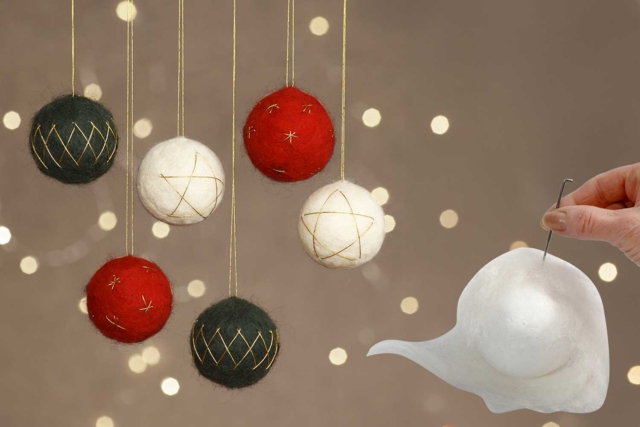
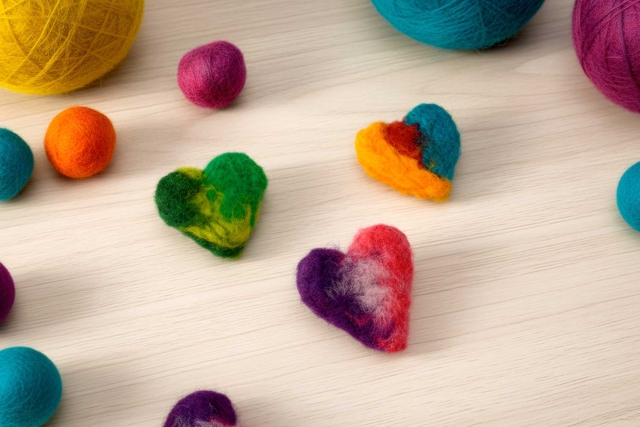
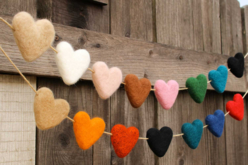
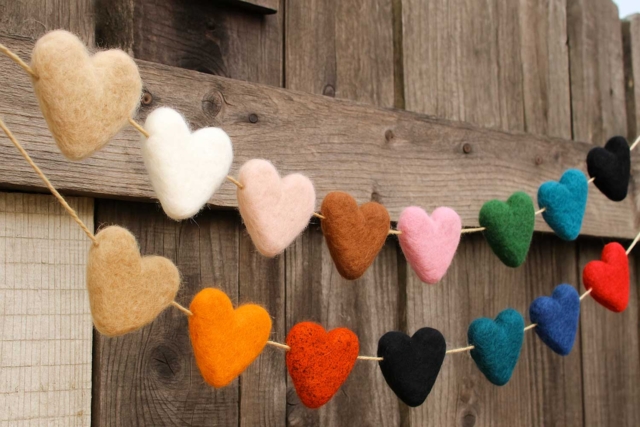
Felting offers endless creative possibilities, both decorative and functional. For example, you can create beautiful felted wool balls, which are very simple to make, and can then be used to make colorful garlands, fancy necklaces, keychains, or even hanging mobiles for a child's room. It is also possible to shape three-dimensional flowers or decorative shapes (stars, hearts, leaves…) by layering and shaping the fibers. These elements can be integrated into cards, frames, or used as ornaments for clothing, bags, or brooches. Needle felting, on the other hand, allows you to sculpt volumetric figurines, such as small animals (rabbits, birds, cats…), characters, or even imaginary creatures. These creations, highly appreciated by both children and adults, can be used as decorative toys, mascots, or seasonal decorations (Easter, Christmas…).
At what age can felting be practiced?
From 8 years old: Children can start with dry felting, with care (the needles are sharp). It is recommended to use a safe base and to begin with simple shapes. Felting is also very popular among teenagers and adults for more sophisticated and original creations.
Why offer felting as a manual activity?
Felting is a calm and soothing manual activity, ideal for refocusing while having fun. It stimulates creativity and allows for imaginative exploration, as everyone can invent their own shapes, characters, or decorations. By manipulating wool, children develop their fine motor skills and learn patience, step by step. Low-cost, this activity requires little material and can be practiced both at home and in class, simply. It is perfectly suited for independent work or small groups, making it an ideal activity for quiet times, creative workshops, or educational projects.
5 products
-
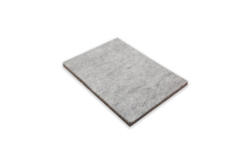
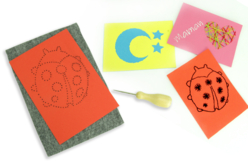
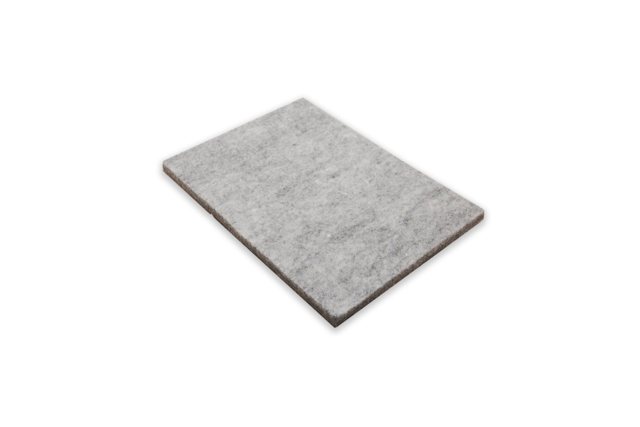
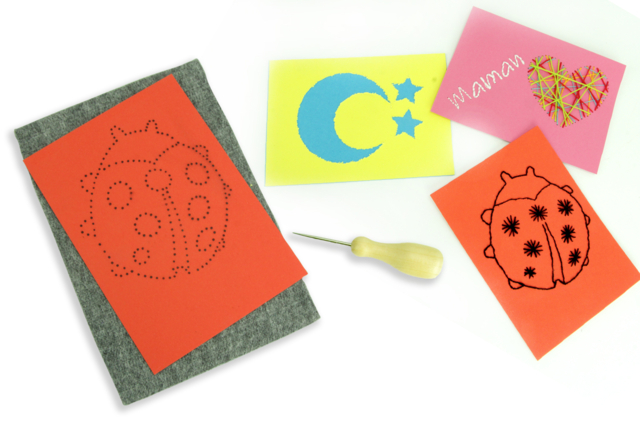
Felt Pouncing Mat
from 0,99€/pc -
Carded Wool Balls - 12 Colors to Choose From
from 3,49€ -
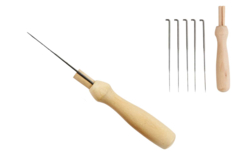
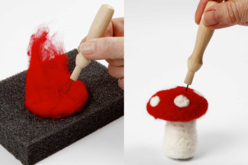
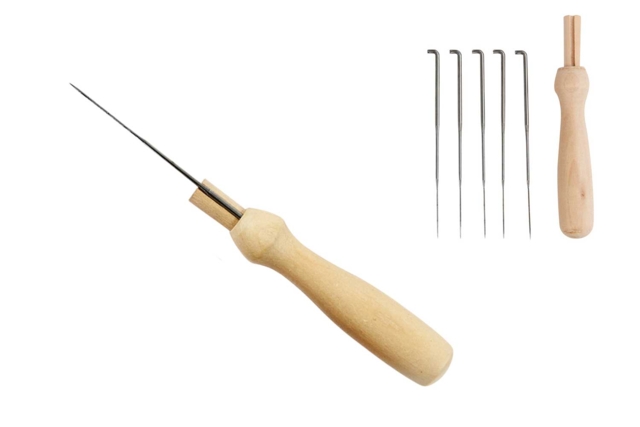
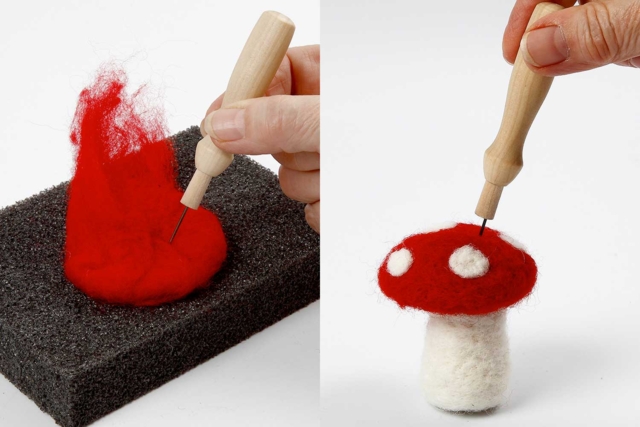
Wooden Handle + 5 Felting Needles
from 2,99€ -
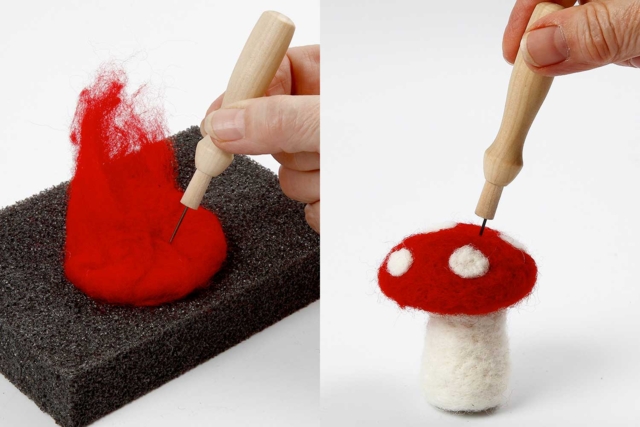
Foam Block for Felting
6,49€ -
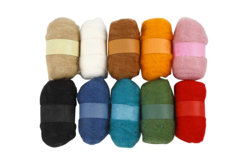
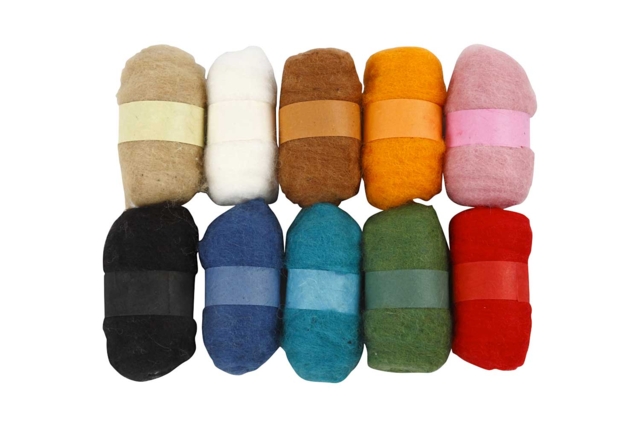
Carded Wool Balls - 10 Colors
24,90€