Your cart is empty.
Jewelry Glue: the right adhesive for every creation
Jewelry glue: strong, transparent, epoxy, and UV resin
A handmade piece of jewelry relies on just a point of glue. A cabochon set in its base, rhinestones placed on a clasp, a charm fixed to a leather bracelet: gluing is often the last step, the one that determines the strength and final appearance. A poorly chosen glue leaves a white film, yellows in a few weeks, or gives way at the first twist.
Our selection of jewelry glues includes transparent, durable references suitable for small surfaces: precision strong glue, drip-free gel glue, two-component epoxy glue, and UV resin. They naturally complement our jewelry supplies and the entire Beads and Jewelry section.
Which glue to choose based on your material?
The right reflex is not to look for "the strongest glue," but rather one whose formulation matches the two materials to be assembled.
Metal, glass, and stone: precision strong glue
This is the most common combination in jewelry creation: a glass cabochon to be set in a metal ring or pendant. Strong glue for rhinestones and the Hasulith Jewelry Glue are formulated for these non-porous supports: completely transparent drying, durable hold, and a fine tip that allows for a drop to be placed without overflowing onto the edges of the support. They are used with our cabochons and our rhinestones.
Assemblies under stress: two-component epoxy glue
As soon as a piece of jewelry undergoes repeated tension—like a clasp, a keyring, or a heavy piece—classic liquid glue shows its limits. Two-component quick-setting epoxy glue creates an almost indestructible bond on metal, ceramic, and stone through a chemical reaction. Mix resin and hardener in equal parts, then you have a few minutes to position the piece: this repositioning latitude makes it more comfortable than regular glue.
Quick repairs: super glue
To reattach a detached charm or a decorative element on a clean, flat surface, tubes of super glue remain unbeatable: sets in seconds, single-dose format avoids the dried-up tube at the back of the drawer. However, be cautious with soft materials, where the rigid film can eventually break.
Fabric, leather, and felt: flexible glues
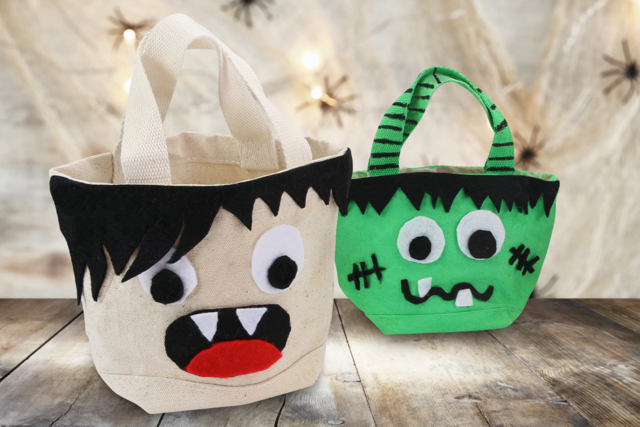
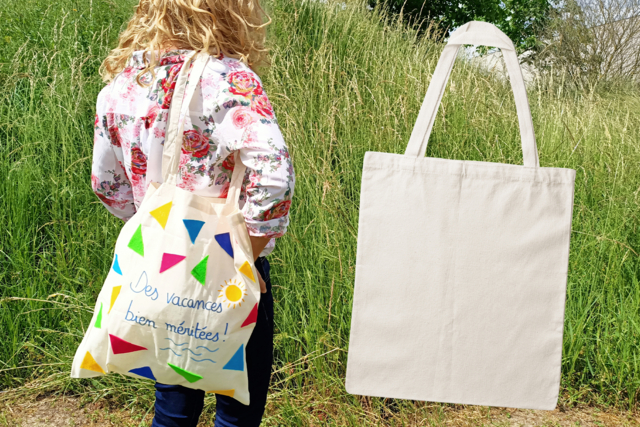
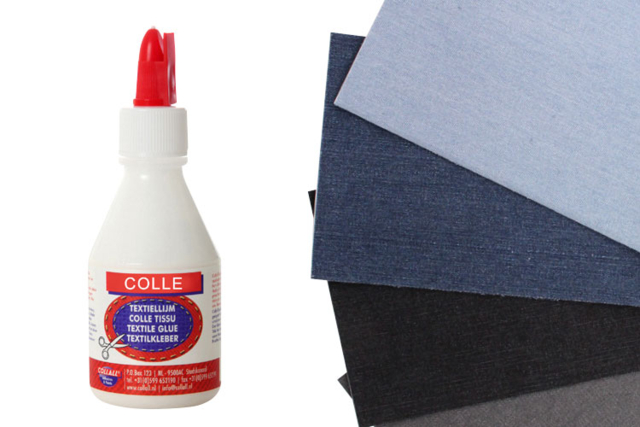
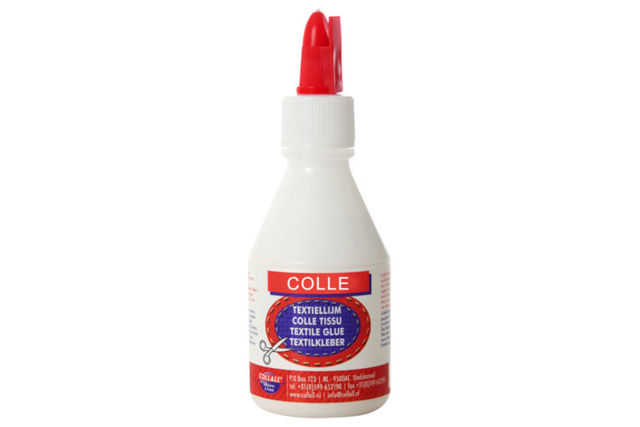
A leather bracelet, a ribbon barrette, or a felt brooch requires a glue that remains elastic after drying. Fabric glue and solvent-free felt glue move with the material without creating a breaking point and resist washing at 40 °C once dry. They are also ideal for your fabric supports to personalize.
Wood, cork, and porous supports
For wooden jewelry, assembly beads, or macramé creations mounted on a base, professional solvent-free wood glue penetrates the fibers and offers superior resistance compared to universal glues. Universal contact glue is handy for mixed assemblies.
Going further: UV resin, between glue and material
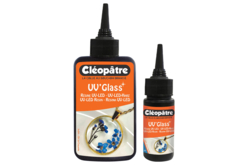
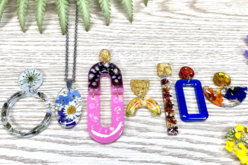
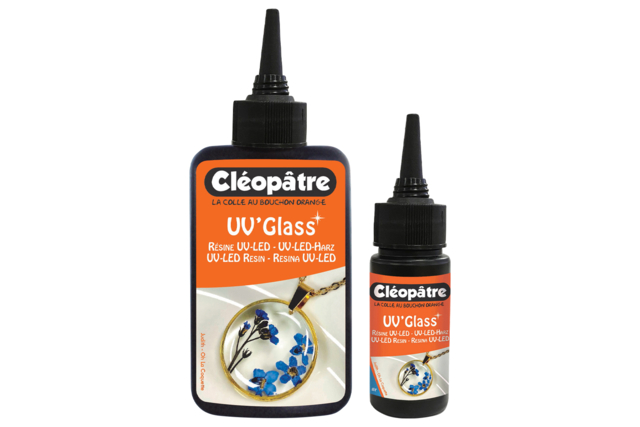
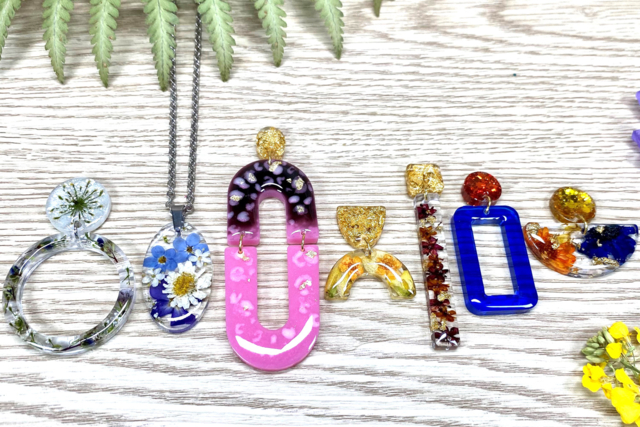
UV Glass resin deserves a special mention. It serves both as a transparent glue and a filling material: it is poured into a cabochon base, dried flowers, glitter, or microbeads are placed in it, and then it hardens under a UV lamp in a few minutes. The result is a shiny, hard, and perfectly clear dome, impossible to achieve with regular glue.
This technique is appealing to both teenagers and beginner adults: no jewelry-making skills are required, and each piece is unique.
Tips for a strong bond
- Degrease the surfaces. A fingerprint on a cabochon is enough to halve the hold. A cotton ball soaked in 70° alcohol before gluing makes all the difference.
- Use micro-drops. Excess glue seeps out on the edges and is visible after drying. Better to use two small dots than one large drop.
- Respect the full curing time. The initial setting does not determine the final strength: allow 24 hours before wearing or gifting the jewelry.
- Work with the right tools. A precision plier avoids handling pieces with fingers, and jewelry tools facilitate opening rings before gluing.
- Ventilate the piece whenever using solvent-based glue, and always have these references handled by an adult.
Jewelry glues for workshops and communities
Leisure centers, community centers, art workshops, or nursing homes: jewelry creation activities are among the most unifying, across all ages. For a group, prioritize solvent-free glues and the glue gun, which allows for instant gluing of beads and charms on rigid supports under the supervision of an instructor. Reserve strong glues and epoxy for adult workshops or finishing touches done by the instructor.
Frequently asked questions about jewelry glues
What glue to use for a cabochon?
A strong transparent glue specifically for jewelry for a glass cabochon on a metal base. If the jewelry is intended for daily use or if the piece is heavy, prefer two-component epoxy glue, which is more resistant to shocks and twists.
What glue holds on metal?
Since metal is non-porous, you need a glue that adheres by chemical contact: special jewelry gel glue or epoxy. Vinyl and school glues do not stick to this support.
How to glue a rhinestone without leaving marks?
Use a glue that dries clear and a fine applicator, apply a minimal amount, and position the rhinestone with precision pliers rather than with fingers. Excess glue can rise on the facets and permanently dull the stone's shine.
What glue for children?
For family or workshop jewelry activities, stick to solvent-free glues and fabric glues. Strong glues, super glue, and epoxy should only be handled by an adult.
10 products
-
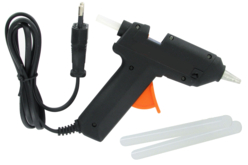
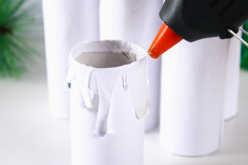
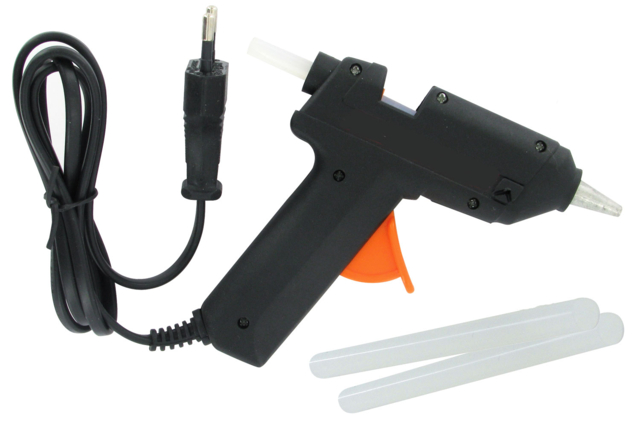
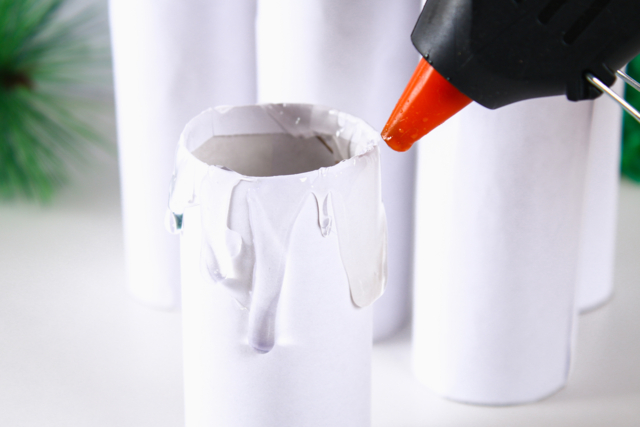
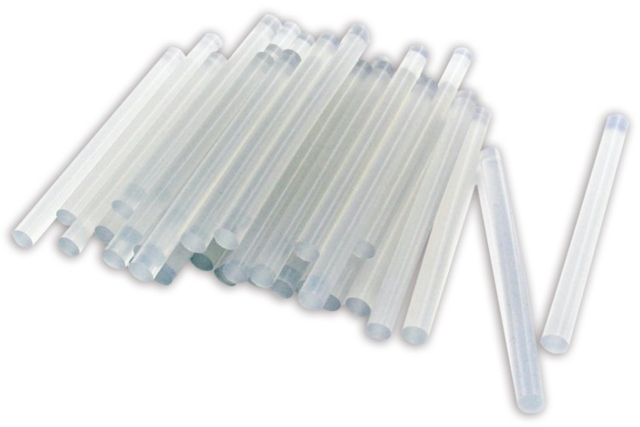
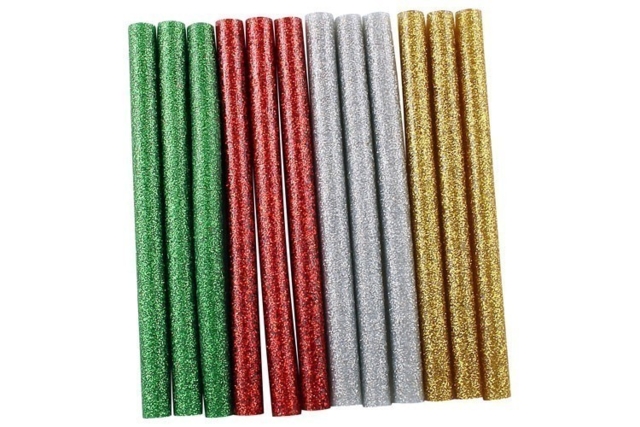
Glue Gun + 2 Glue Sticks
from 4,29€/pc -

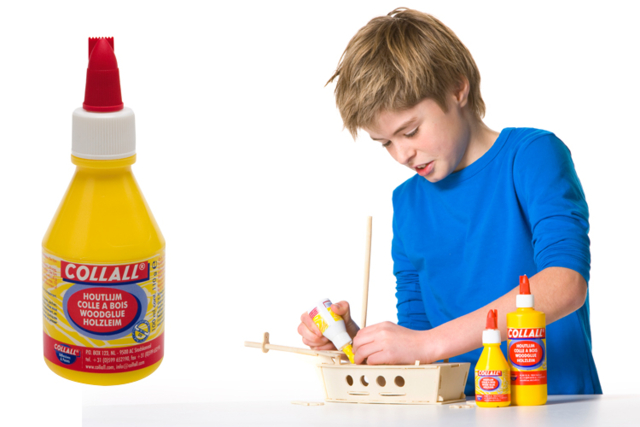
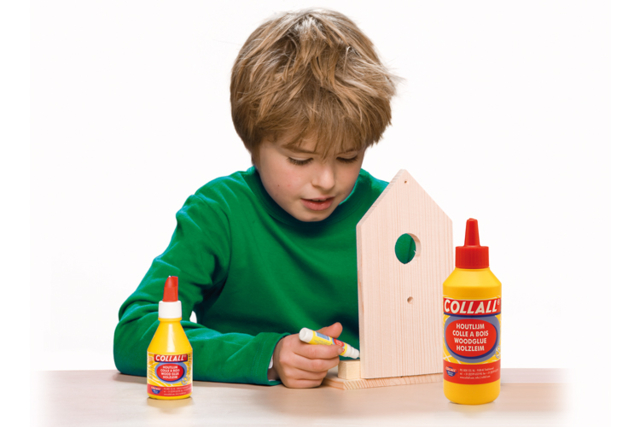
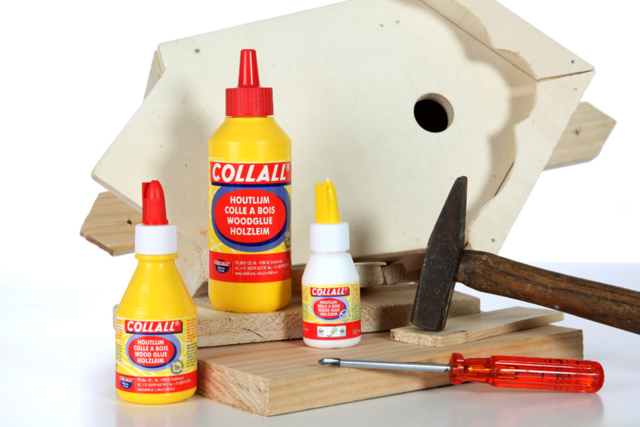
Professional Wood Glue - Solvent-Free
from 4,49€/pc -
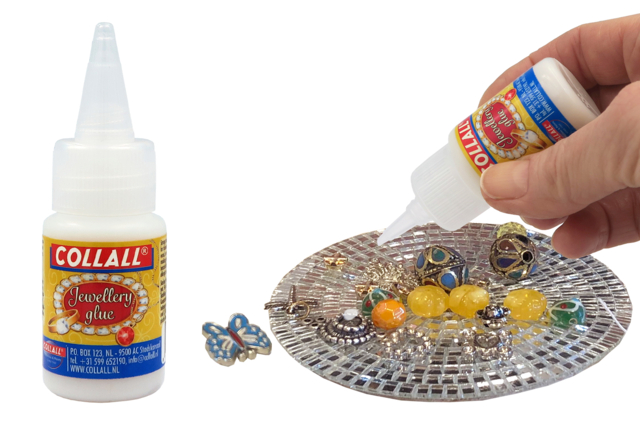
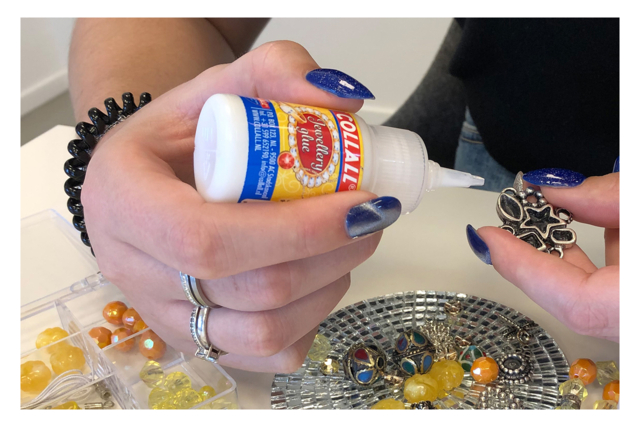
Strong Glue for Rhinestones and Jewelry
3,99€ -
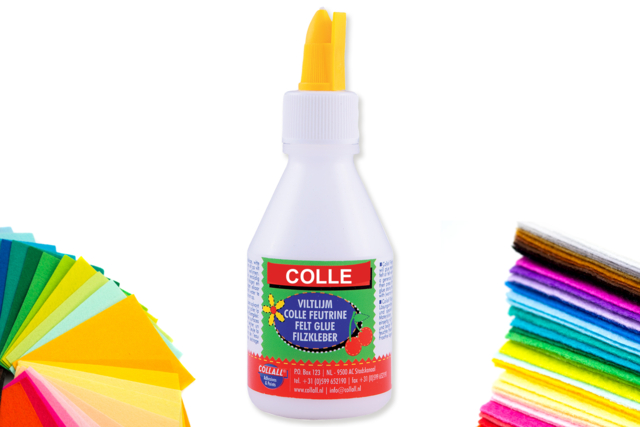
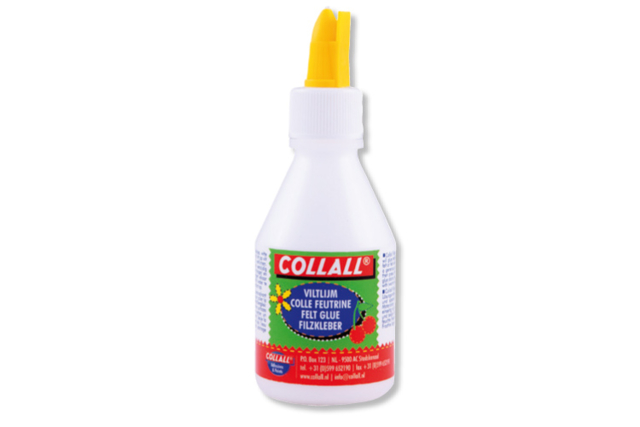
Felt Glue - Solvent-Free
from 3,99€/pc -
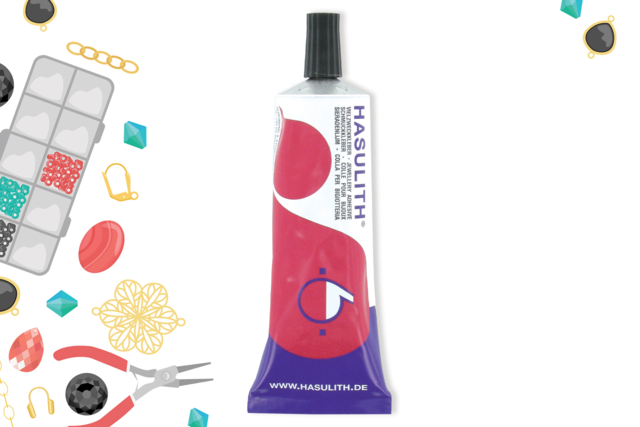
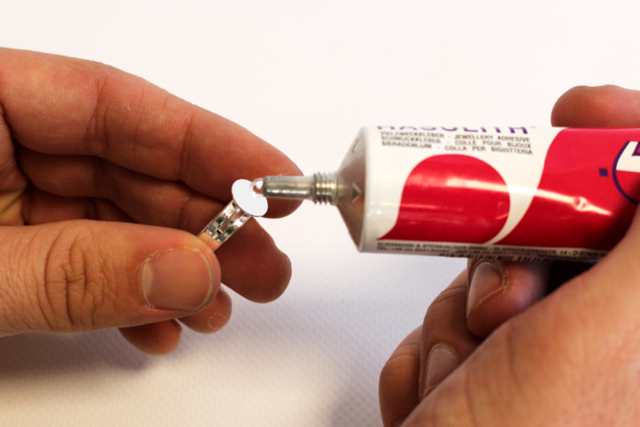
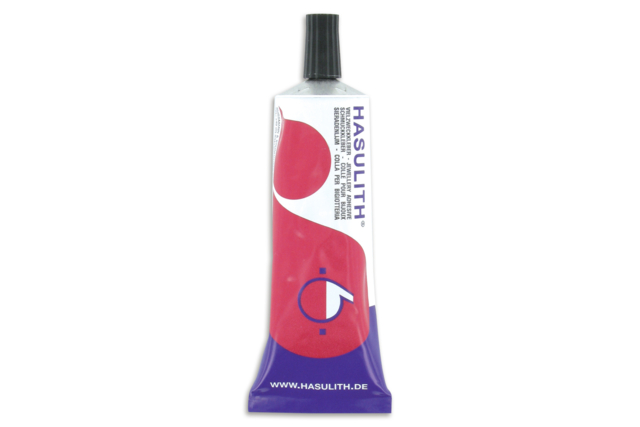
Hasulith Jewelry Glue - 30 ml
2,99€ -
Fabric Glue - 100 ml
from 3,99€/pc -
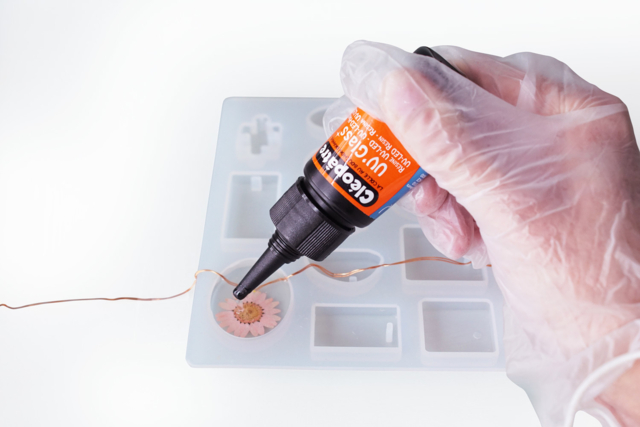
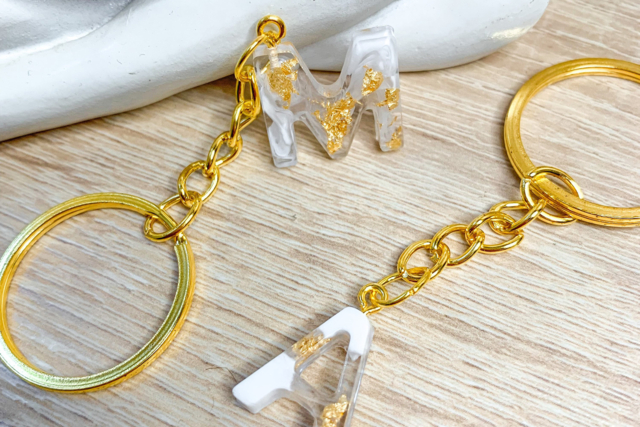
UV Glass Resin
from 16,90€ -
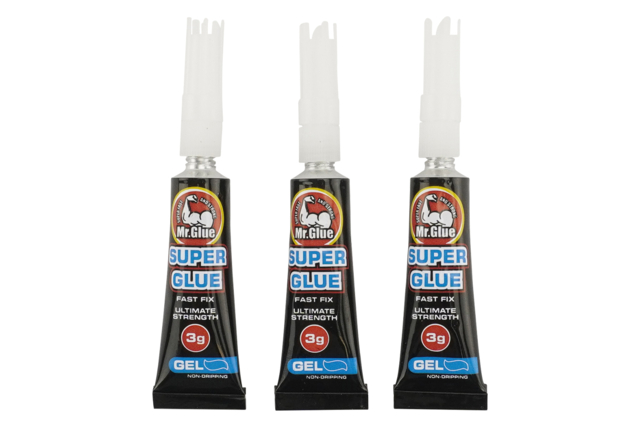
Super Glue Tubes - 3 Pieces
2,99€ -

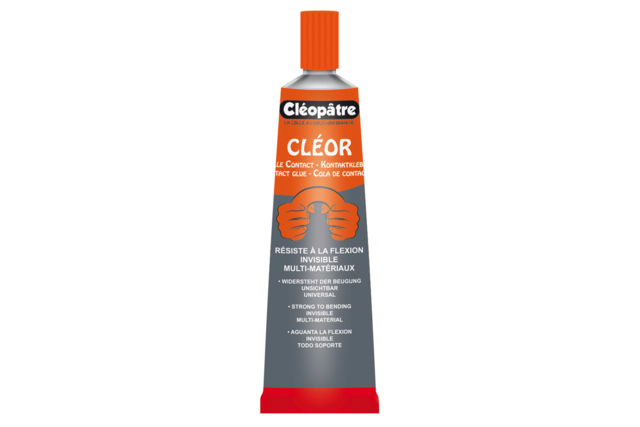
Universal Contact Adhesive - With Solvents
from 1,69€ -
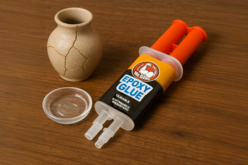
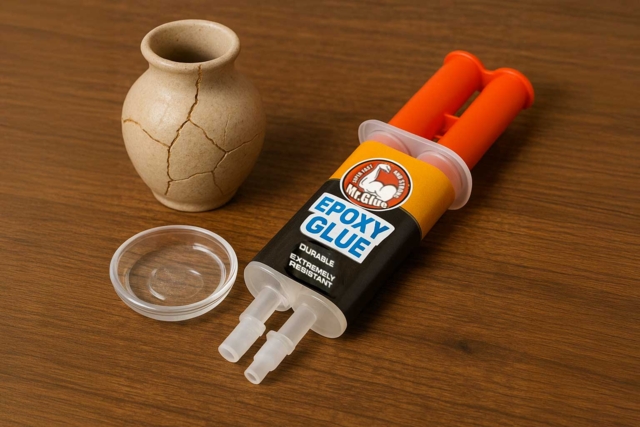
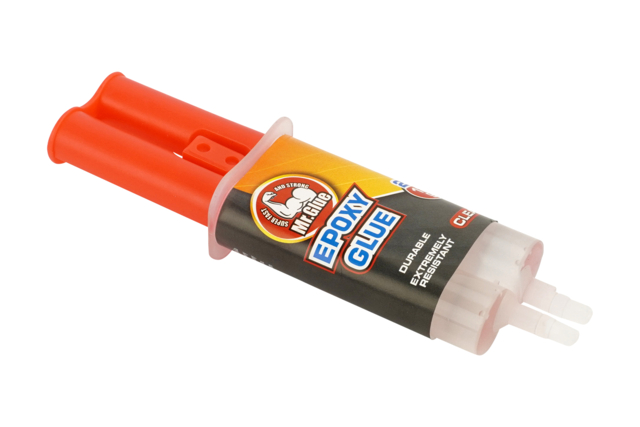
Fast-setting two-component epoxy glue
4,99€