Your cart is empty.
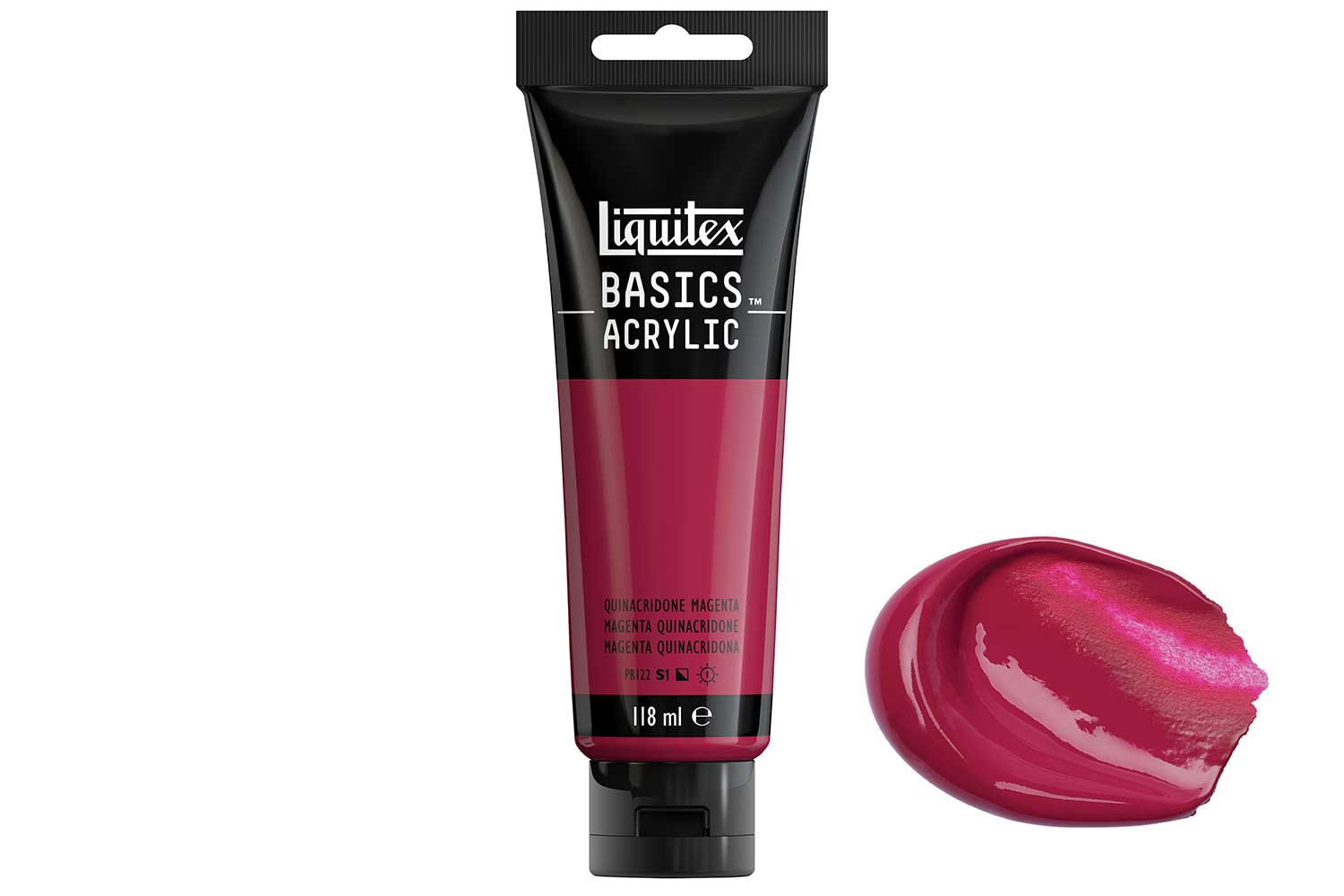
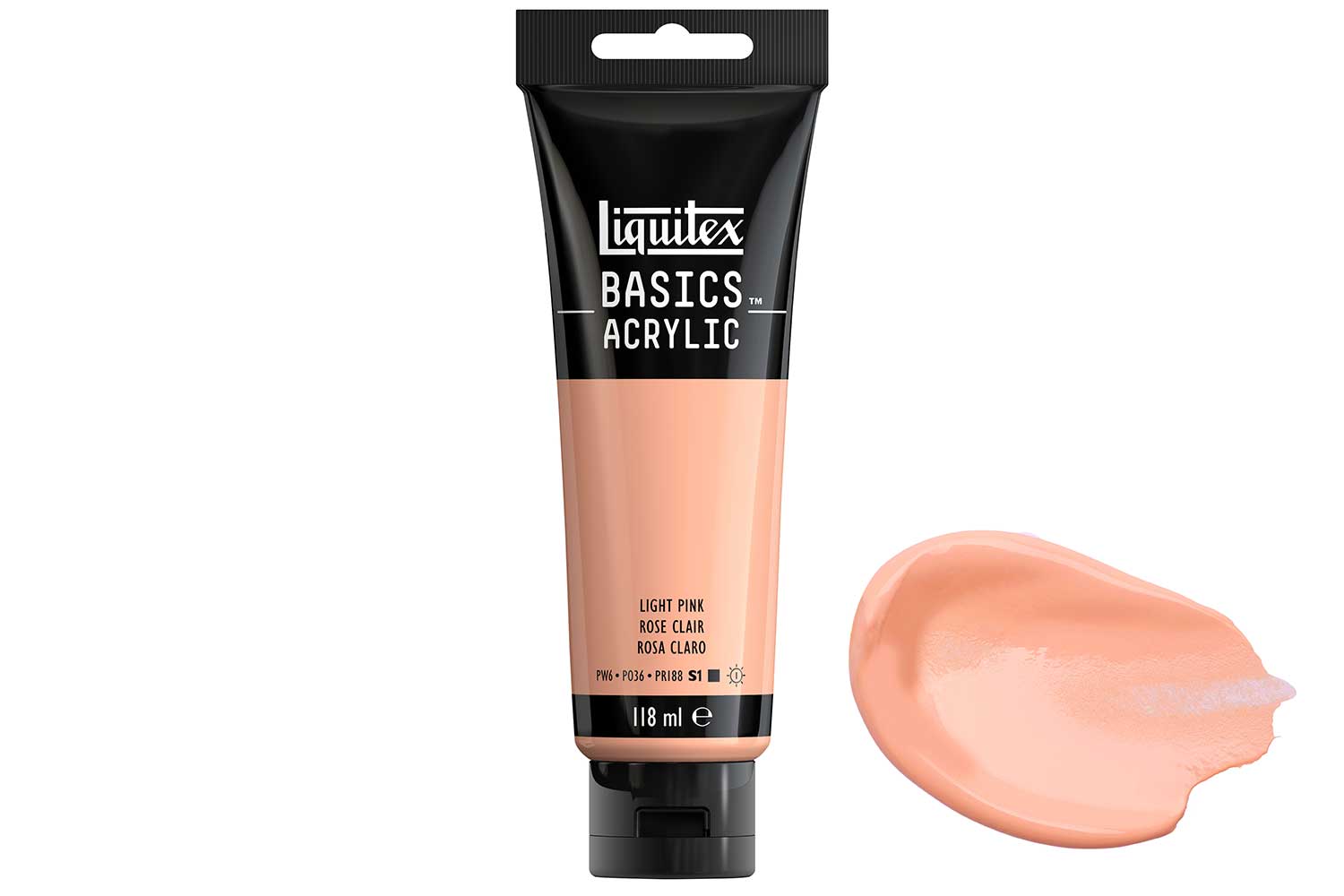
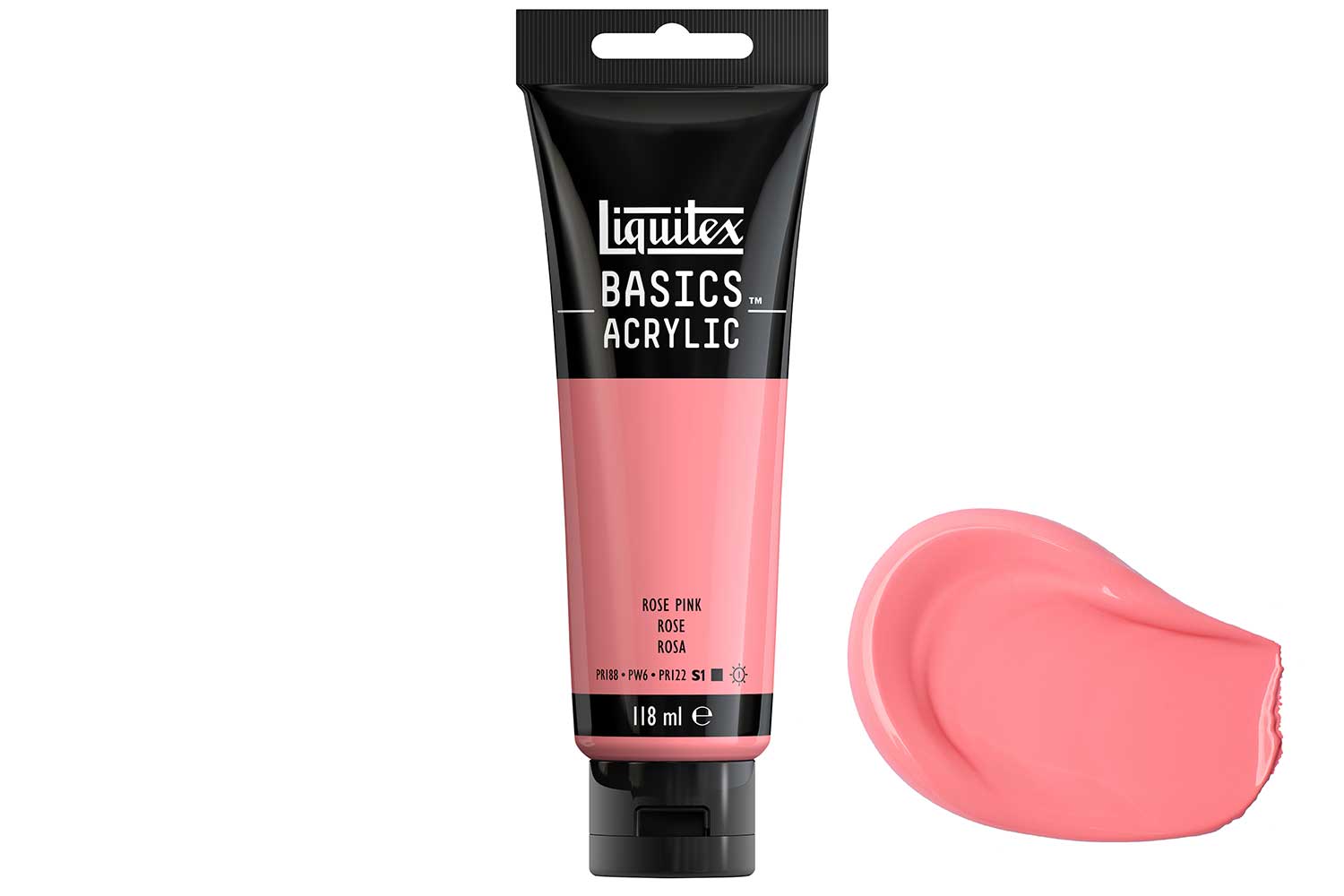
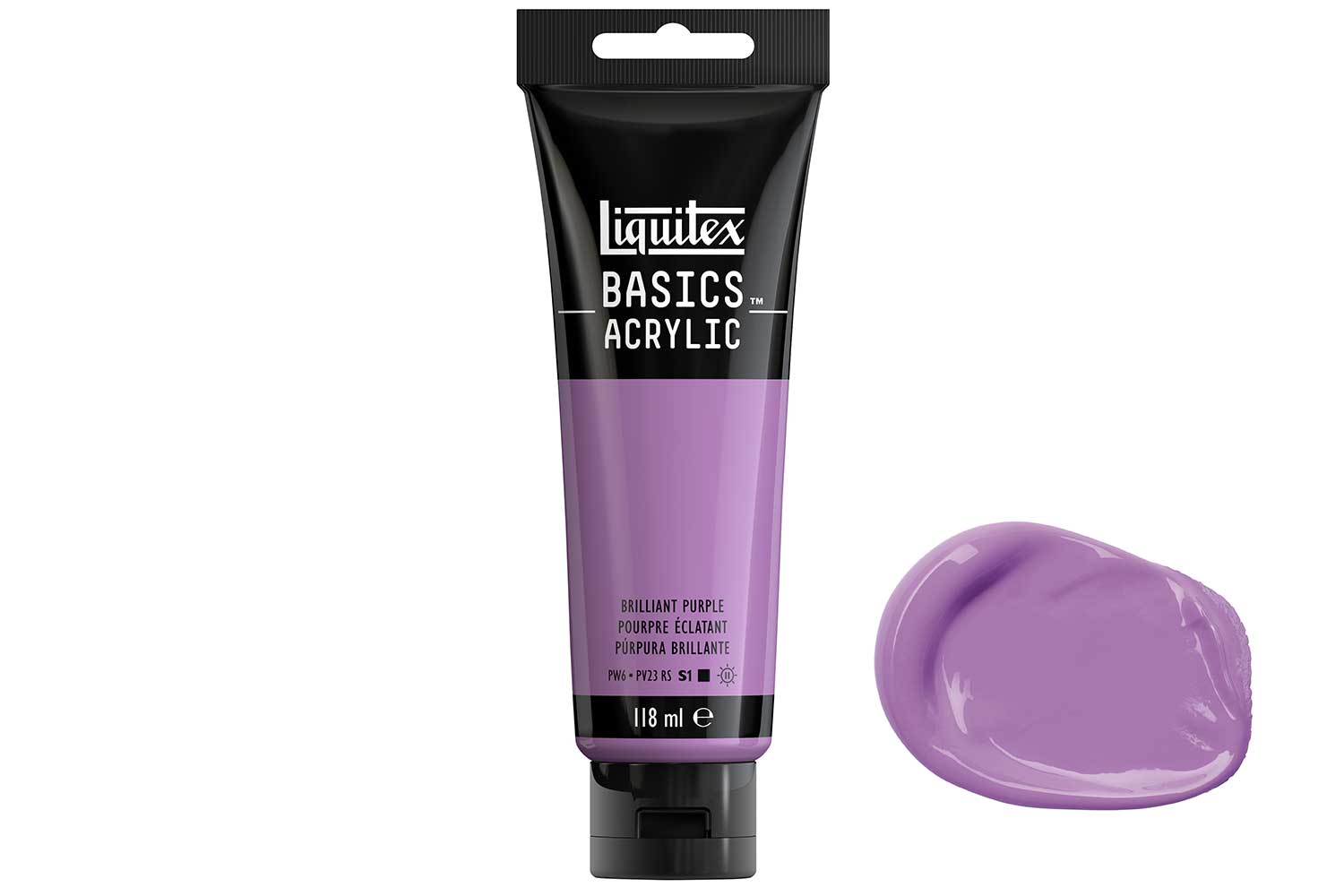
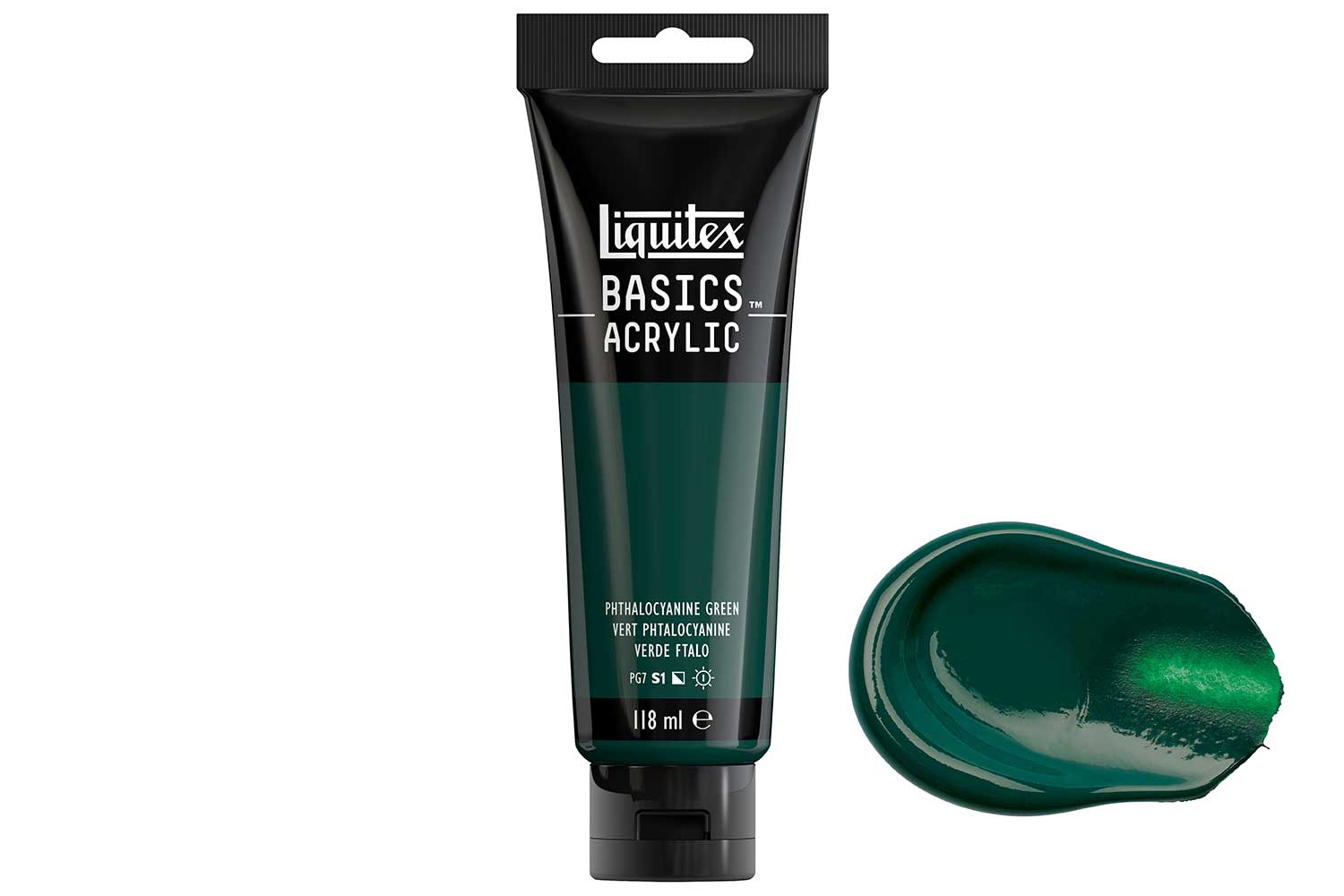
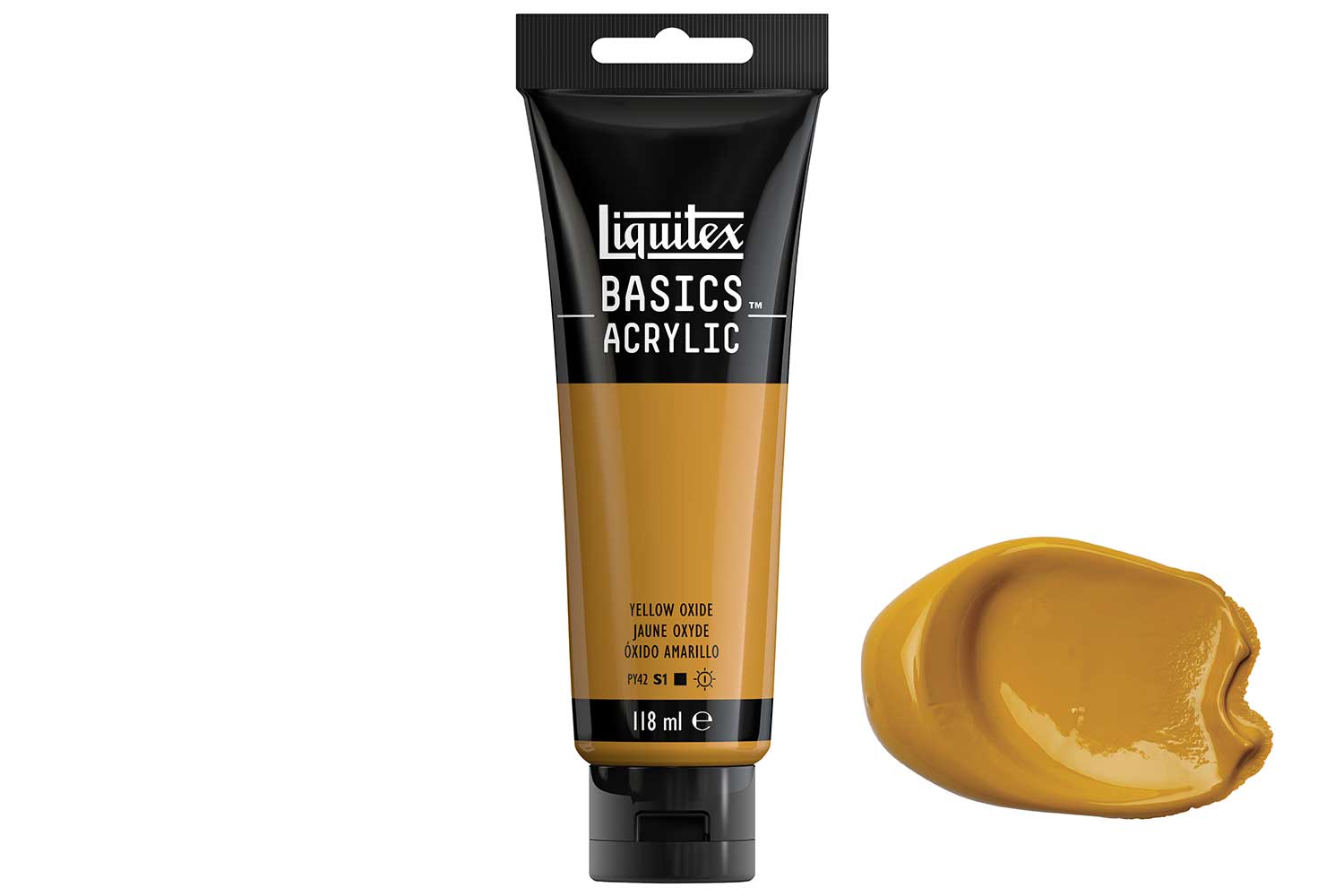
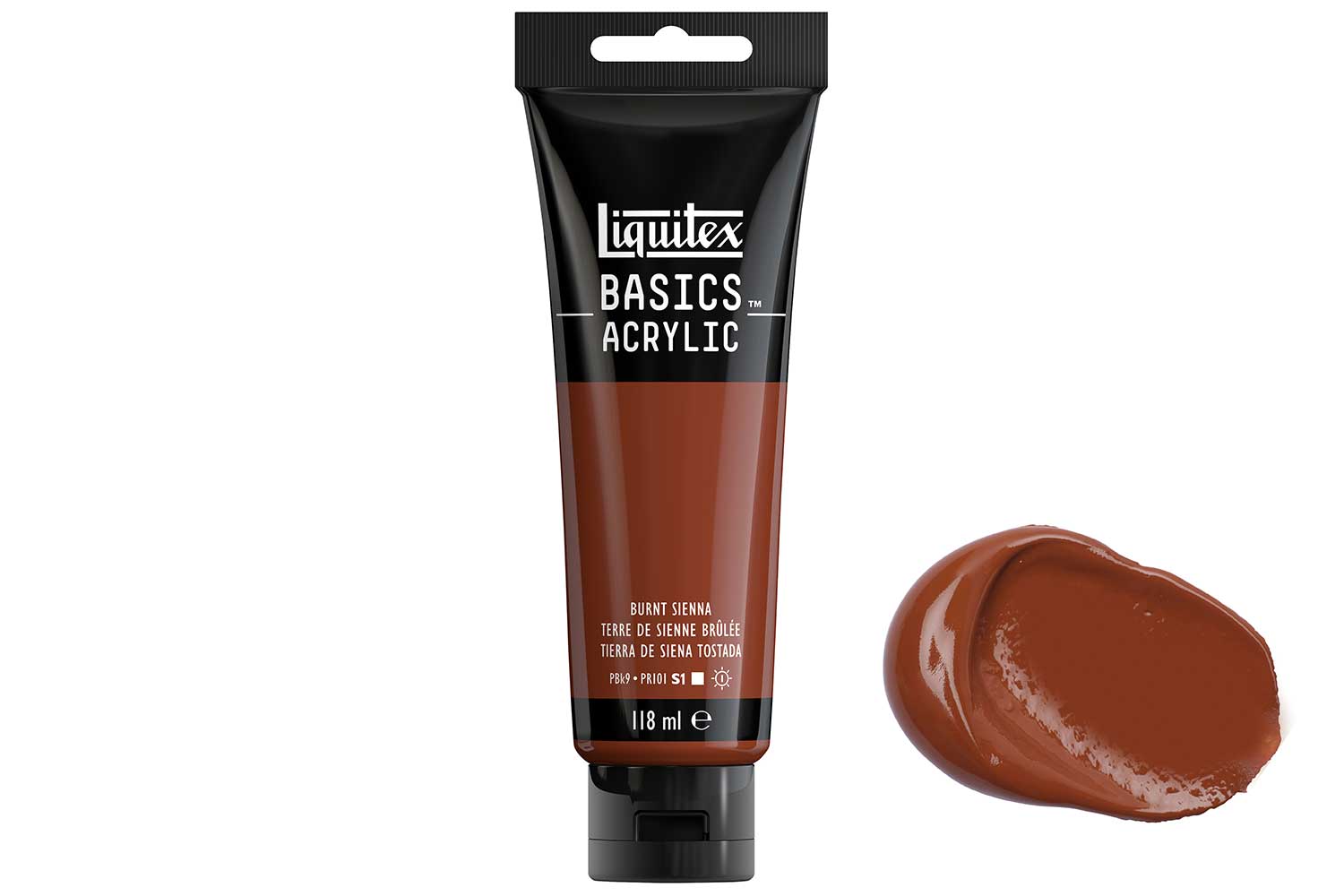
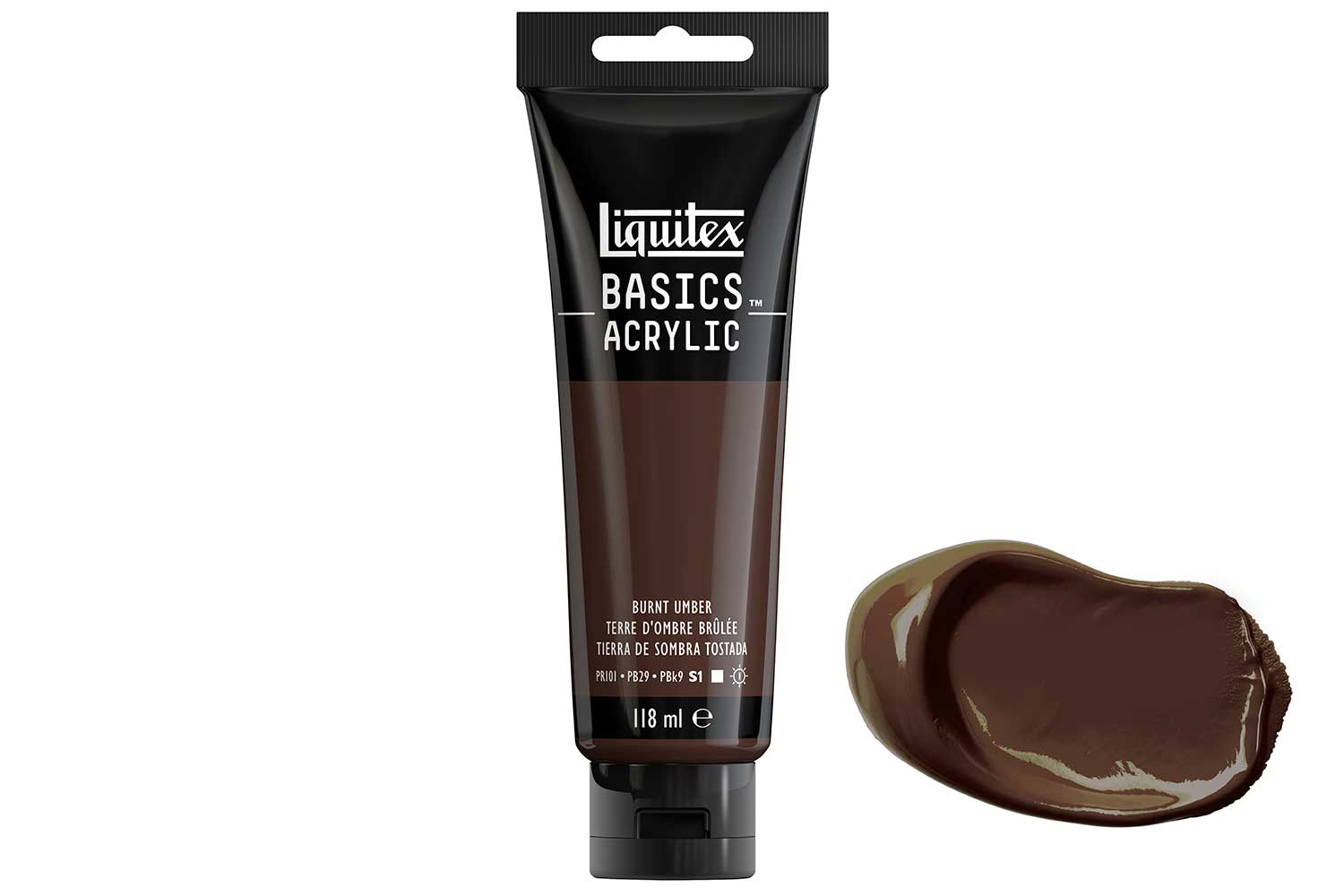
Liquitex Basics Acrylic 118 ml

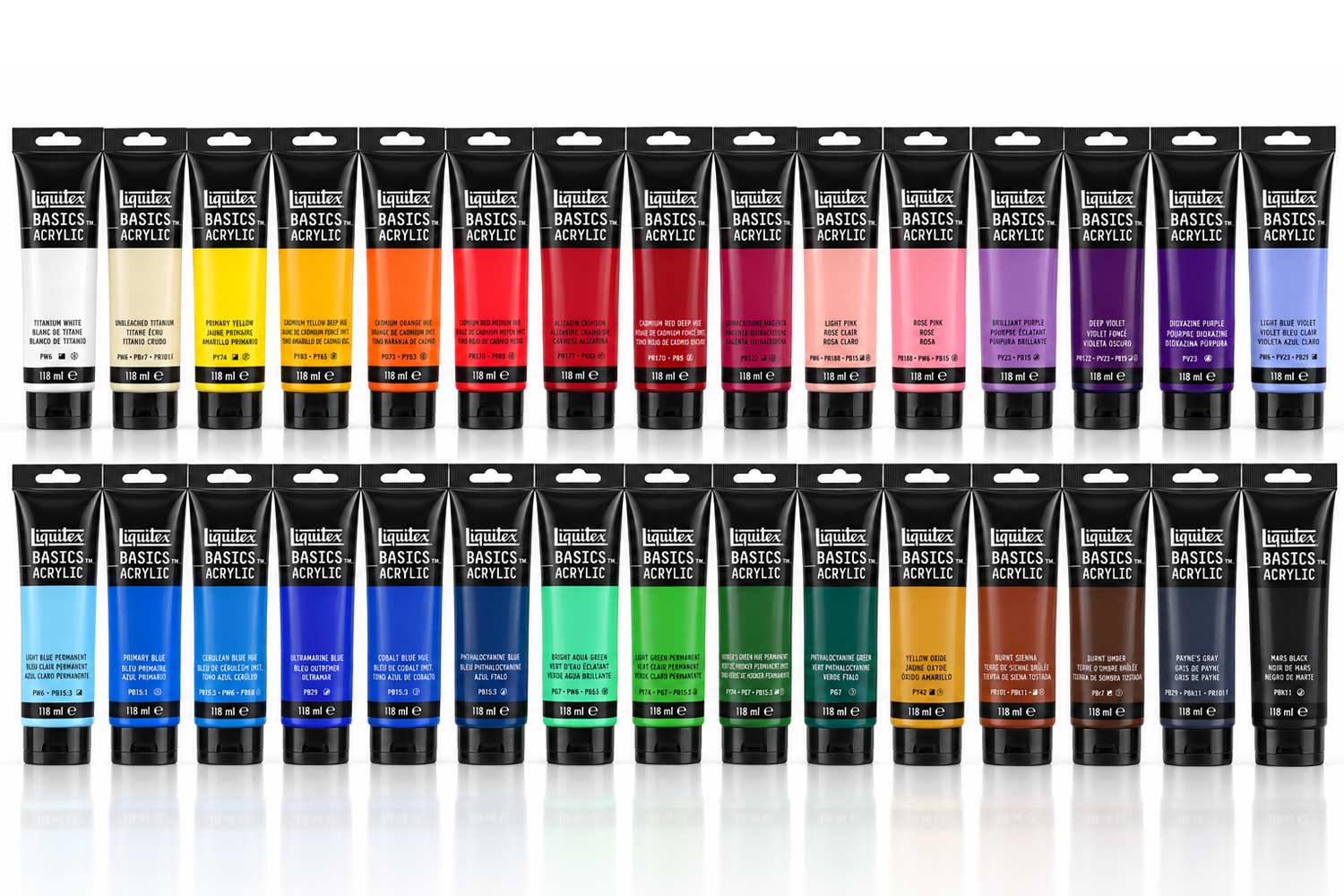
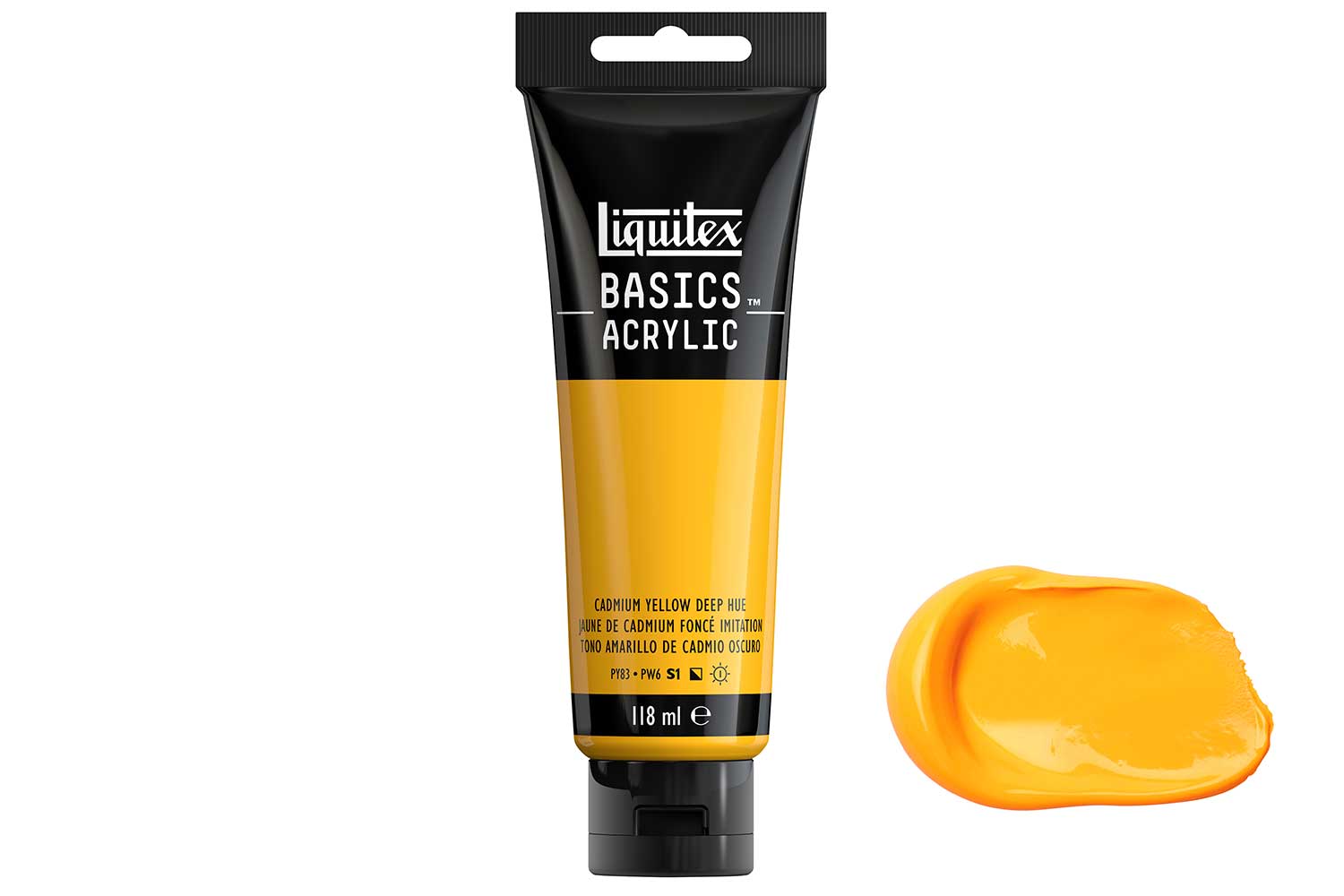
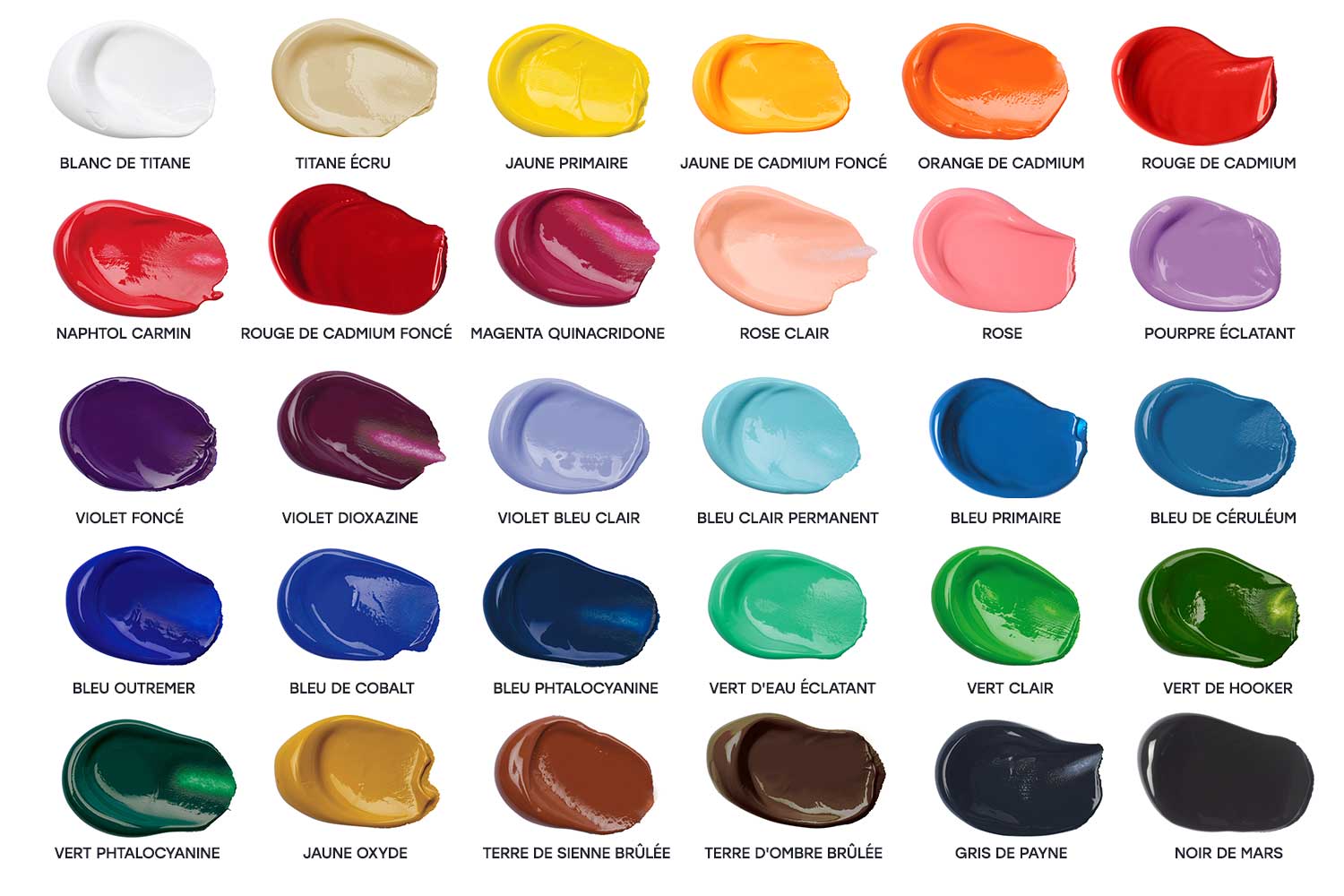
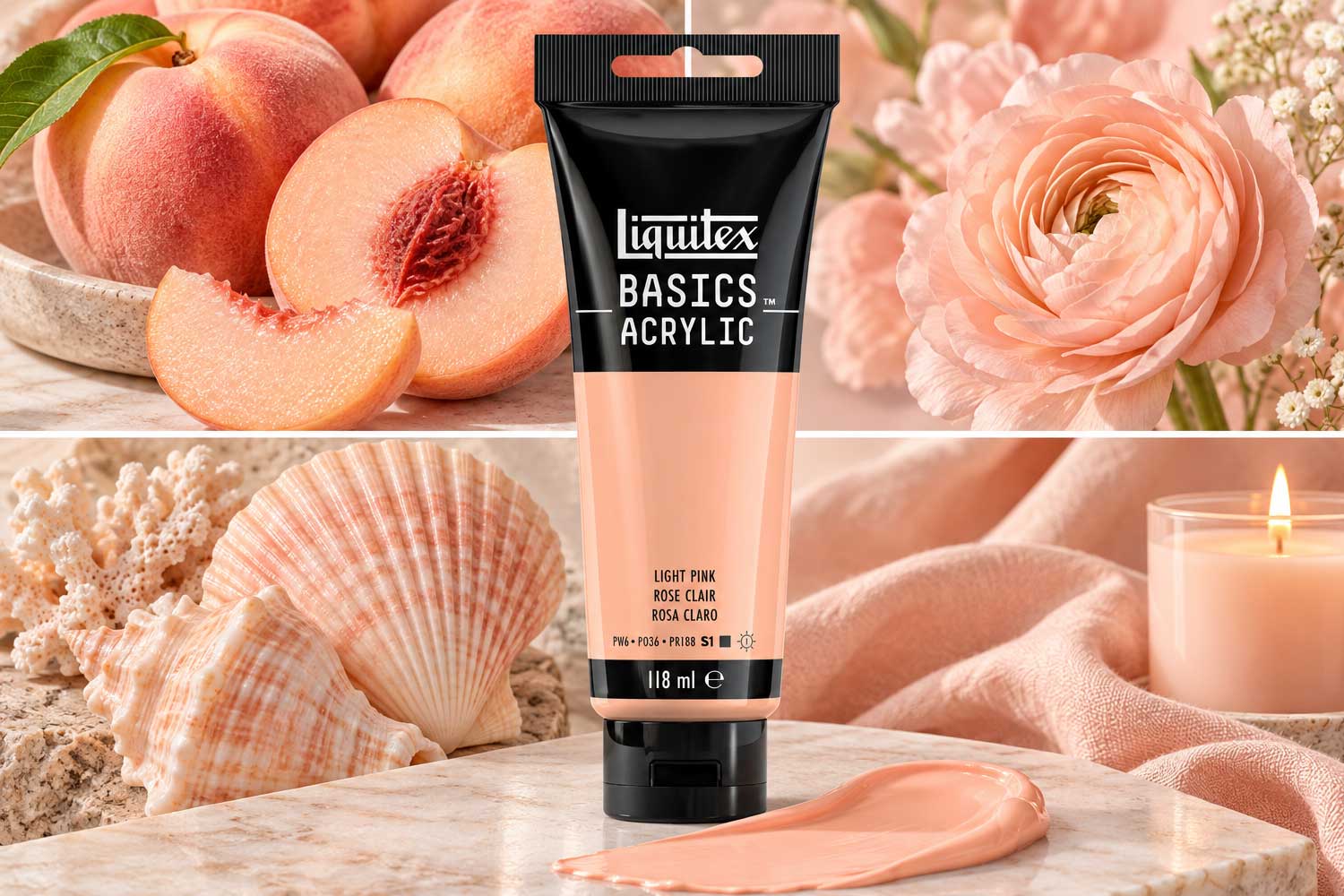
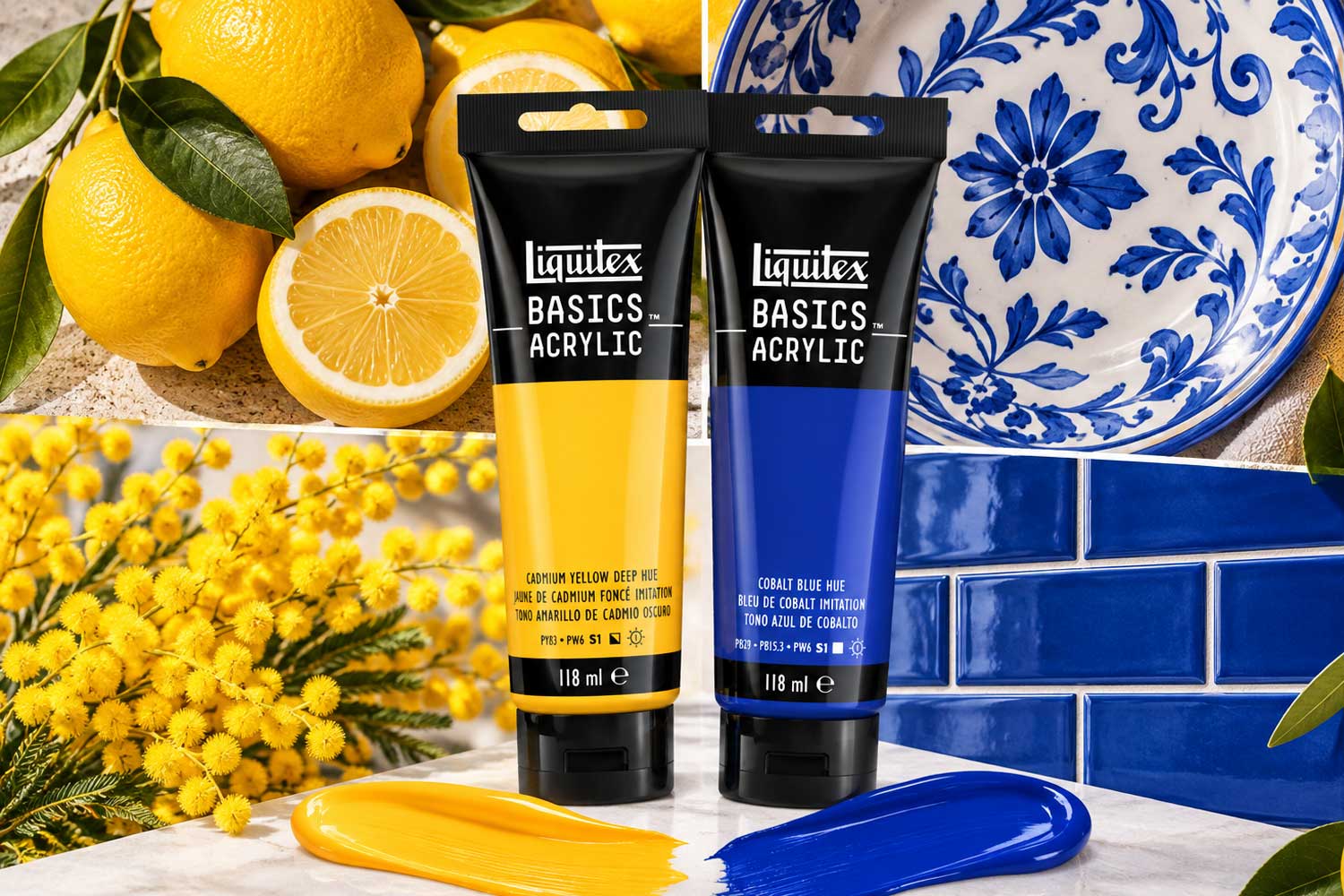
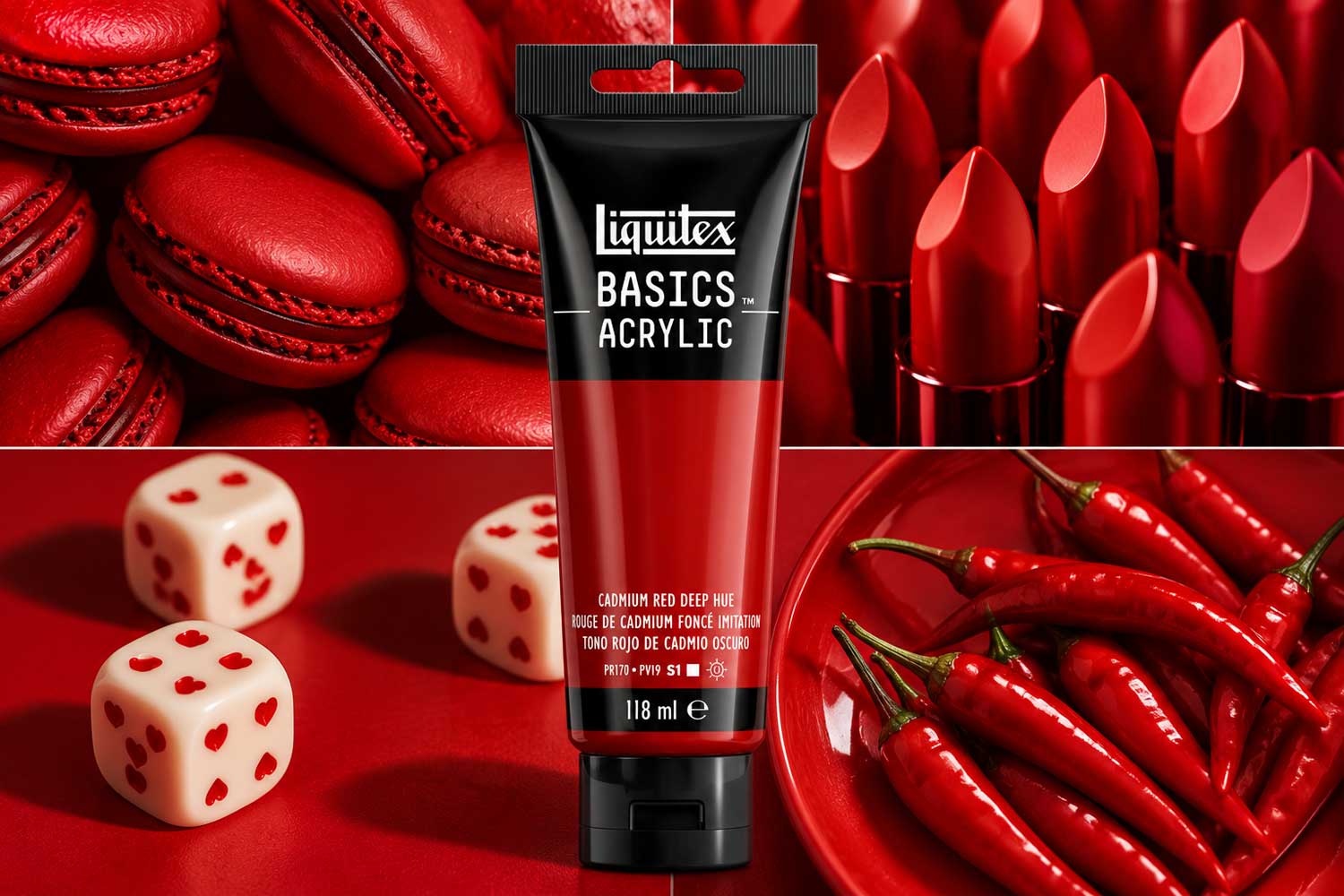
Liquitex Basics Acrylic 118 ml
Transparent tube with spout: 118 ml
Liquitex Basics, the reference acrylic for learning and practicing. Liquitex is not just any brand: it is the inventor of acrylic paint for artists, developed in 1955. The Basics range is its accessible version, designed for students, workshops, and regular painters. Neither glossy nor completely matte: the satin finish reproduces colors with depth while avoiding annoying reflections. It is the most balanced finish for a canvas intended to be hung.
A medium consistency, the most versatile
Neither too liquid nor too firm, Basics holds the trace of the brush and knife while remaining easy to spread. Specifically, it allows for all acrylic techniques:
- in full paste: covering washes, impasto, knife work
- diluted with water: transparent washes, backgrounds, gradients
- with brush, roller, sponge, knife or finger
Opacity and lightfastness indicated on each tube
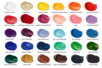
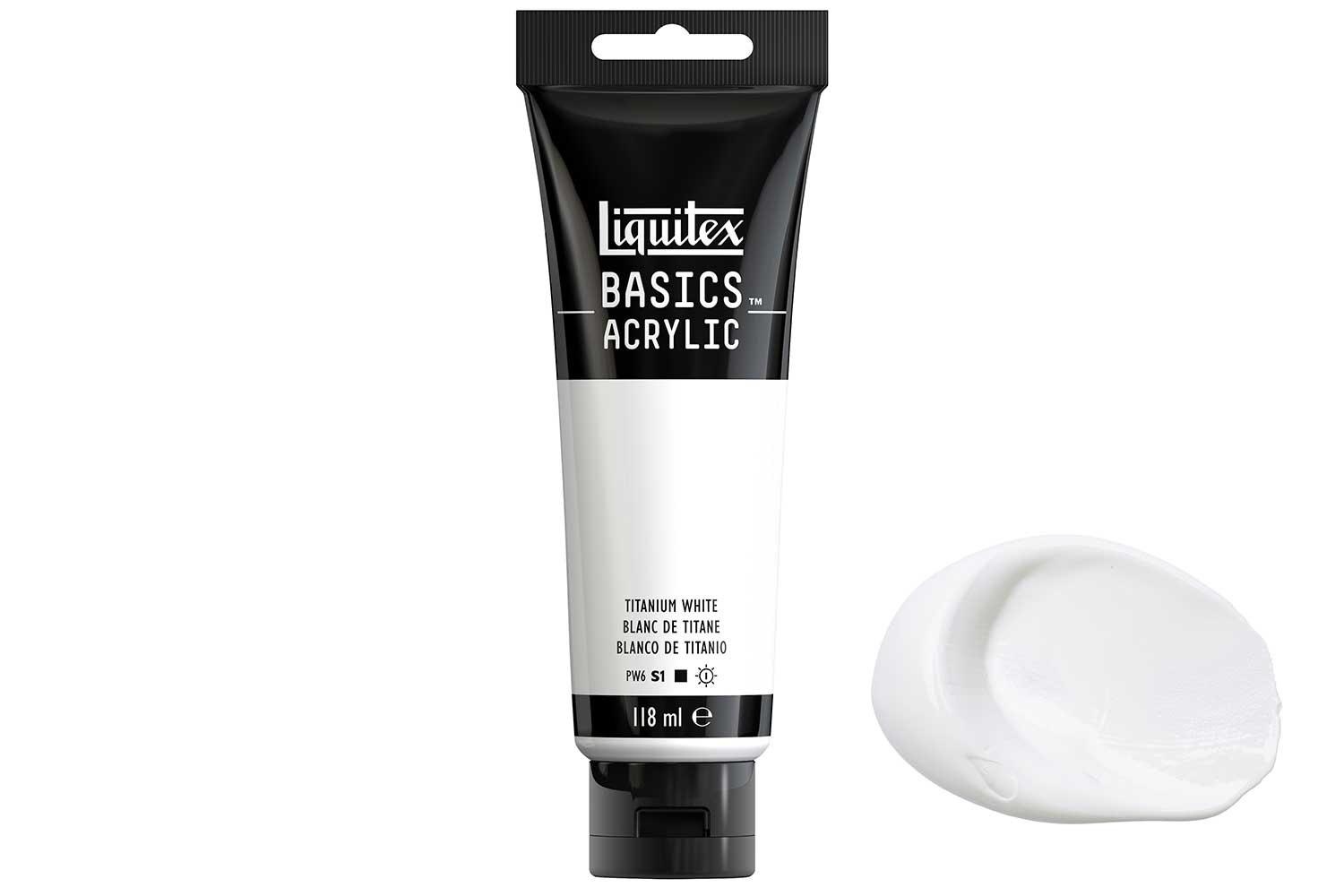
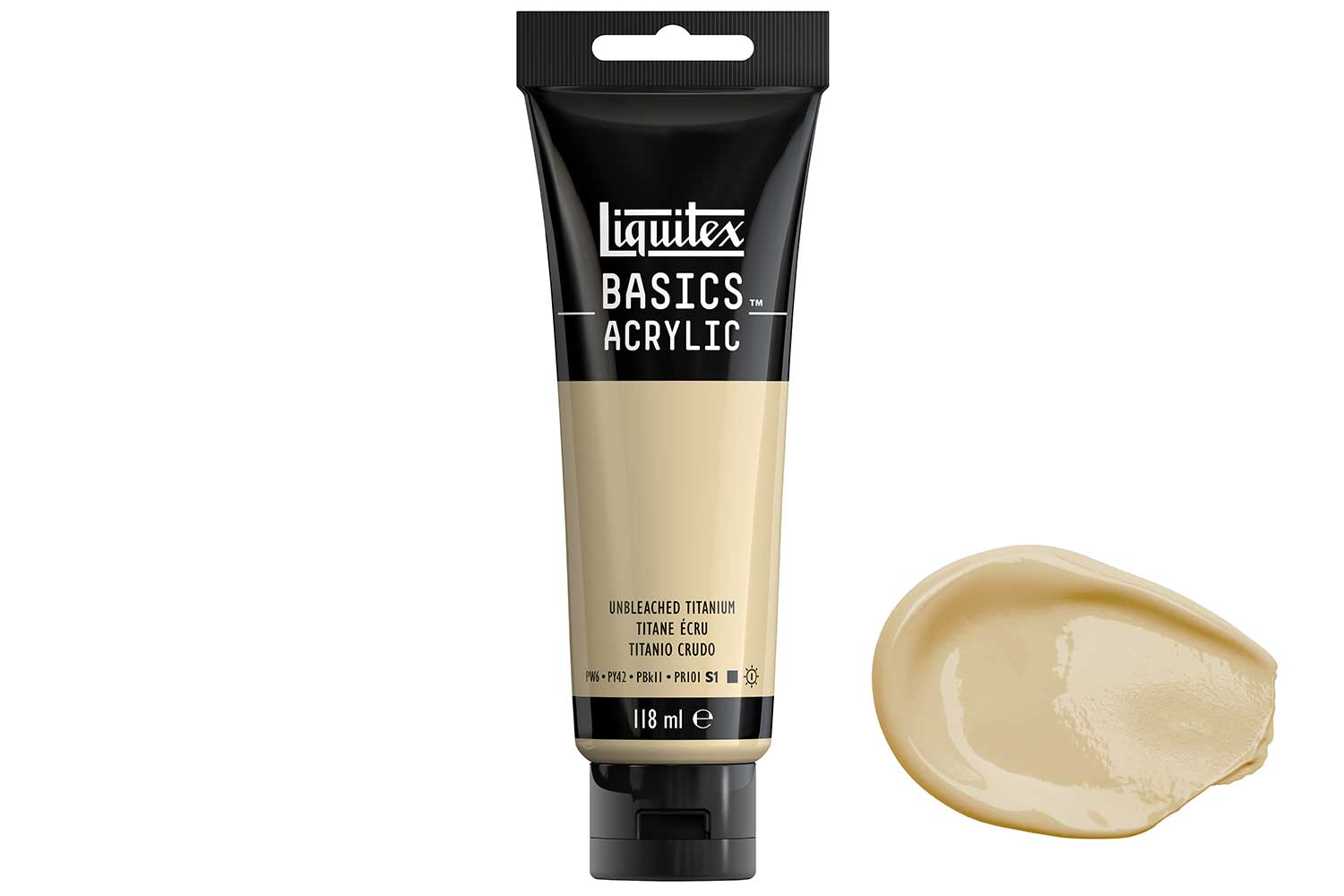
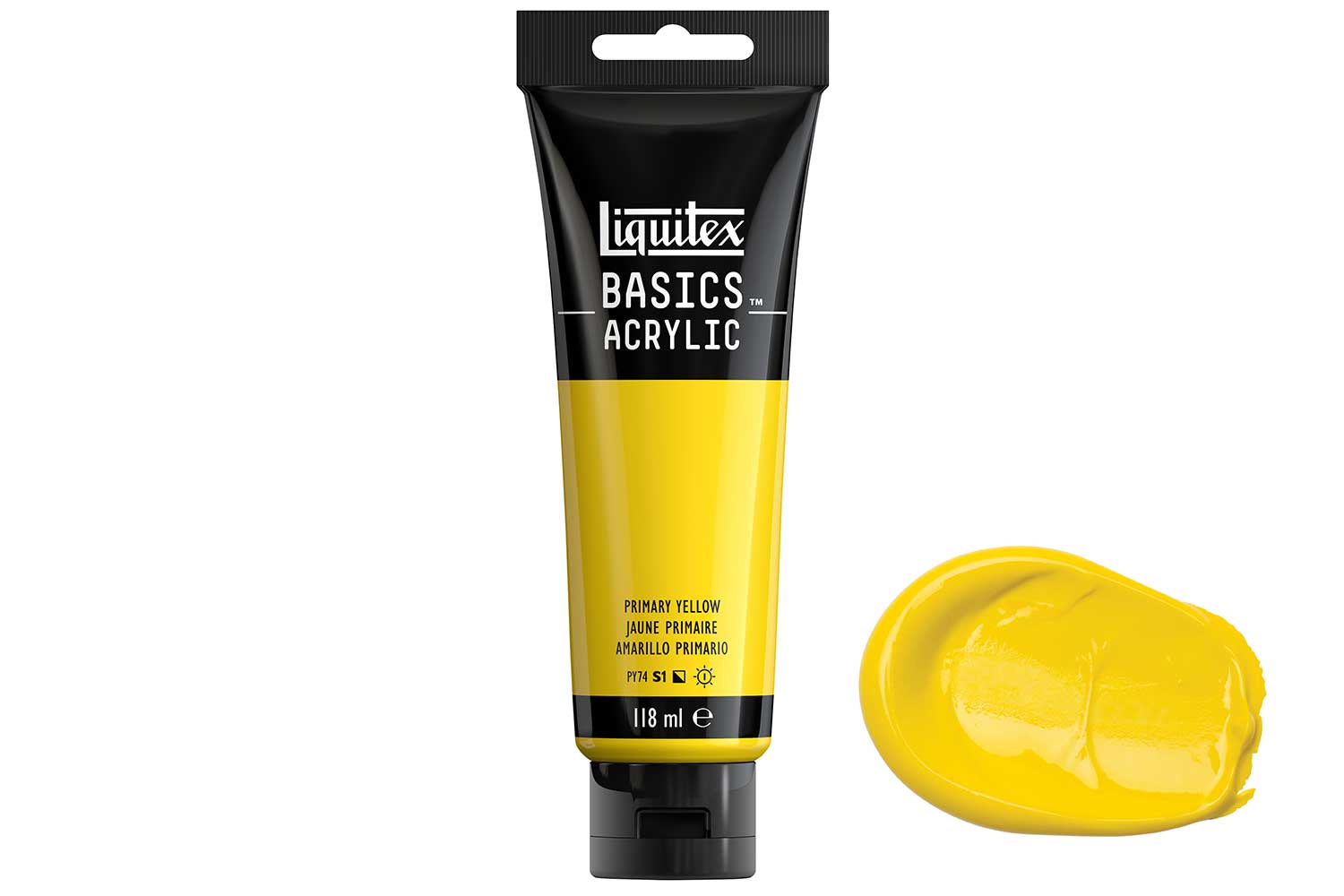
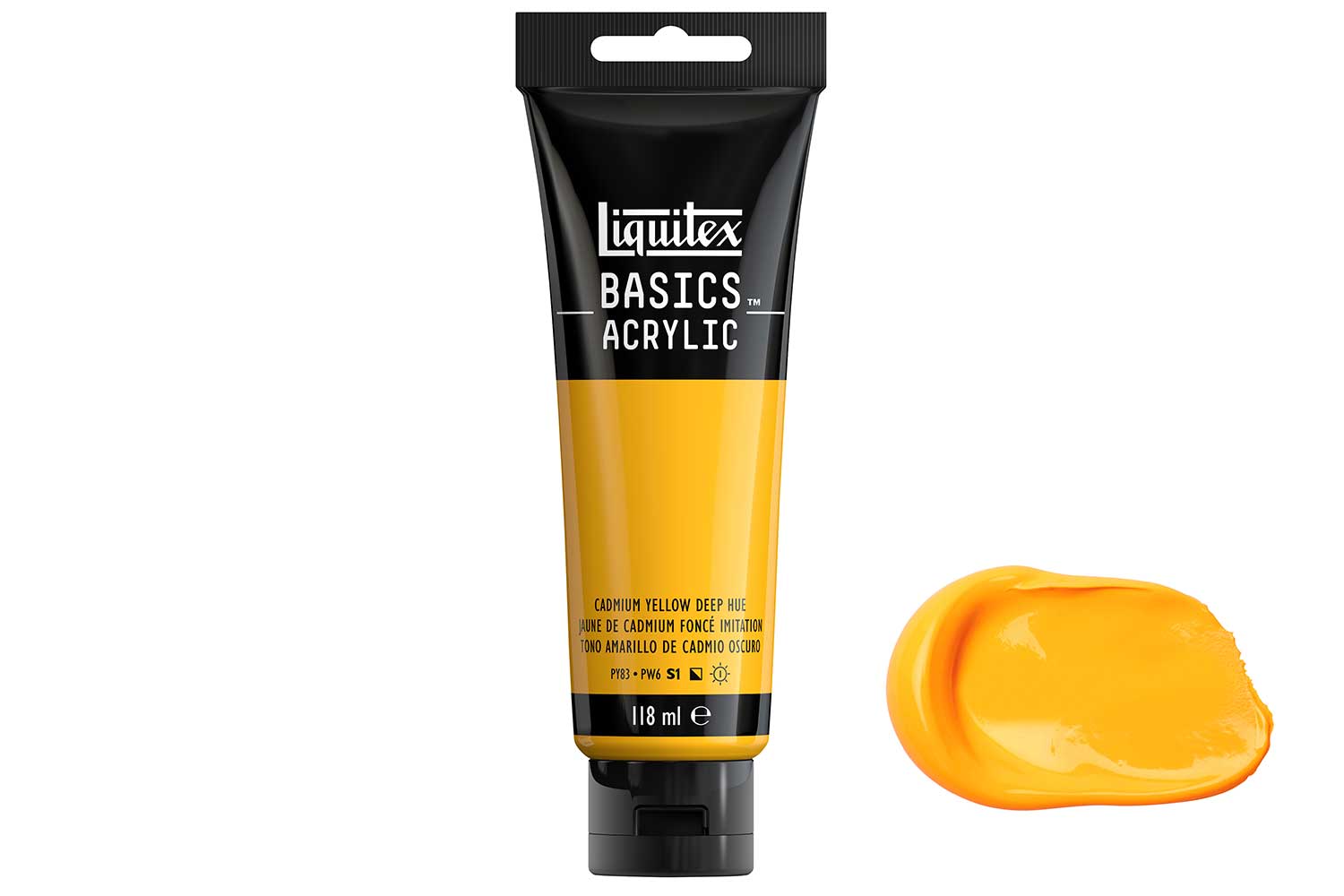
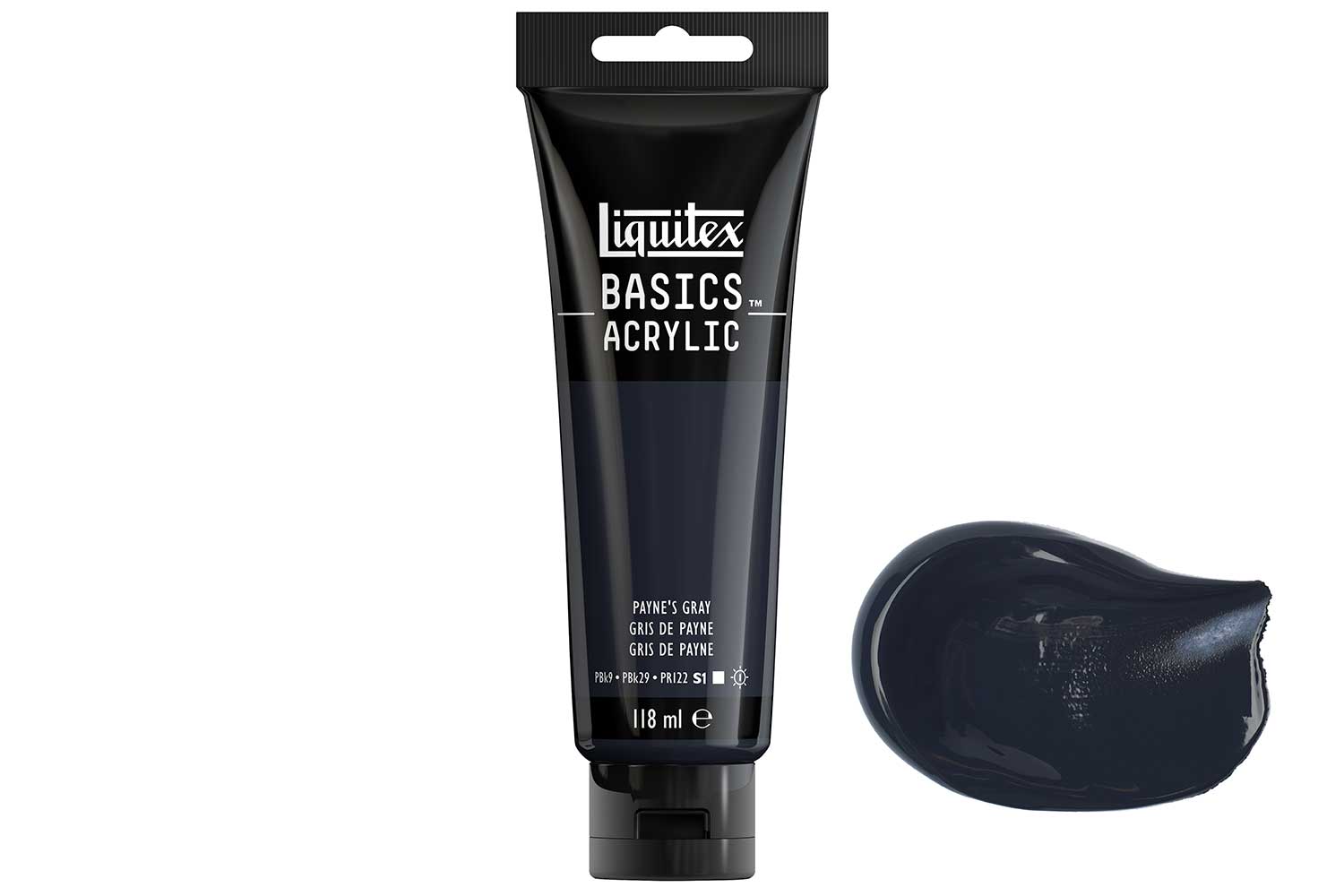
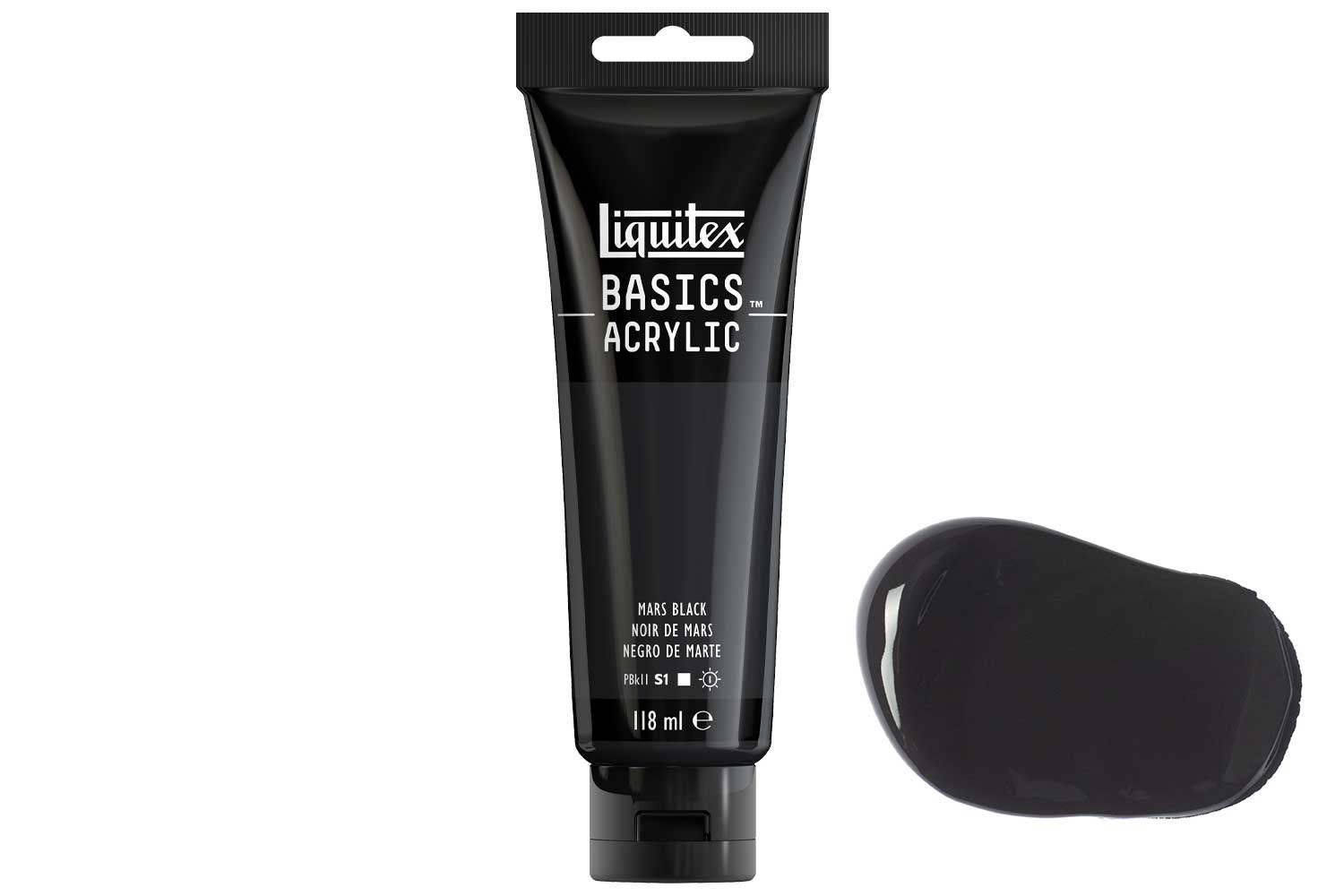
Each color carries its technical characteristics: opaque or semi-opaque, and a lightfastness rating: good, very good, or excellent depending on the shade. A valuable piece of information: opaque colors are used for building and covering, while semi-opaque colors are for glazes and overlays. Find the opacity and lightfastness grid for each color among the visuals next to it!
Acrylic dries in a few minutes and becomes water-insoluble. You can layer the paints without disturbing the one underneath, which is the exact opposite of watercolor or gouache. This allows for quickly building a painting, in a single session if needed.
Characteristics:
- Volume: 118 ml tube
- Finish: Satin
- Opacity: Opaque or semi-opaque depending on the shade
- Lightfastness: Good to excellent depending on the shade
- Application surfaces: Canvas, cardboard, wood, thick paper, plaster, terracotta, prepared surfaces
- Cleaning: With water, before drying
FAQ
How to dilute the paint? With water, simply. For significant dilutions or washes, an acrylic medium preserves better adherence and the strength of the film than water alone.
Should the surface be prepared? On raw canvas or bare wood, a layer of gesso improves adherence, uniformity, and color rendering. On already prepared canvas, it is not necessary.
How to clean brushes? With water and soap, immediately after use. Dried acrylic in the brush is very difficult to remove.
What does lightfastness mean? It is the ability of the color to not fade over time. A shade rated as "excellent" is suitable for works intended to be displayed long-term.
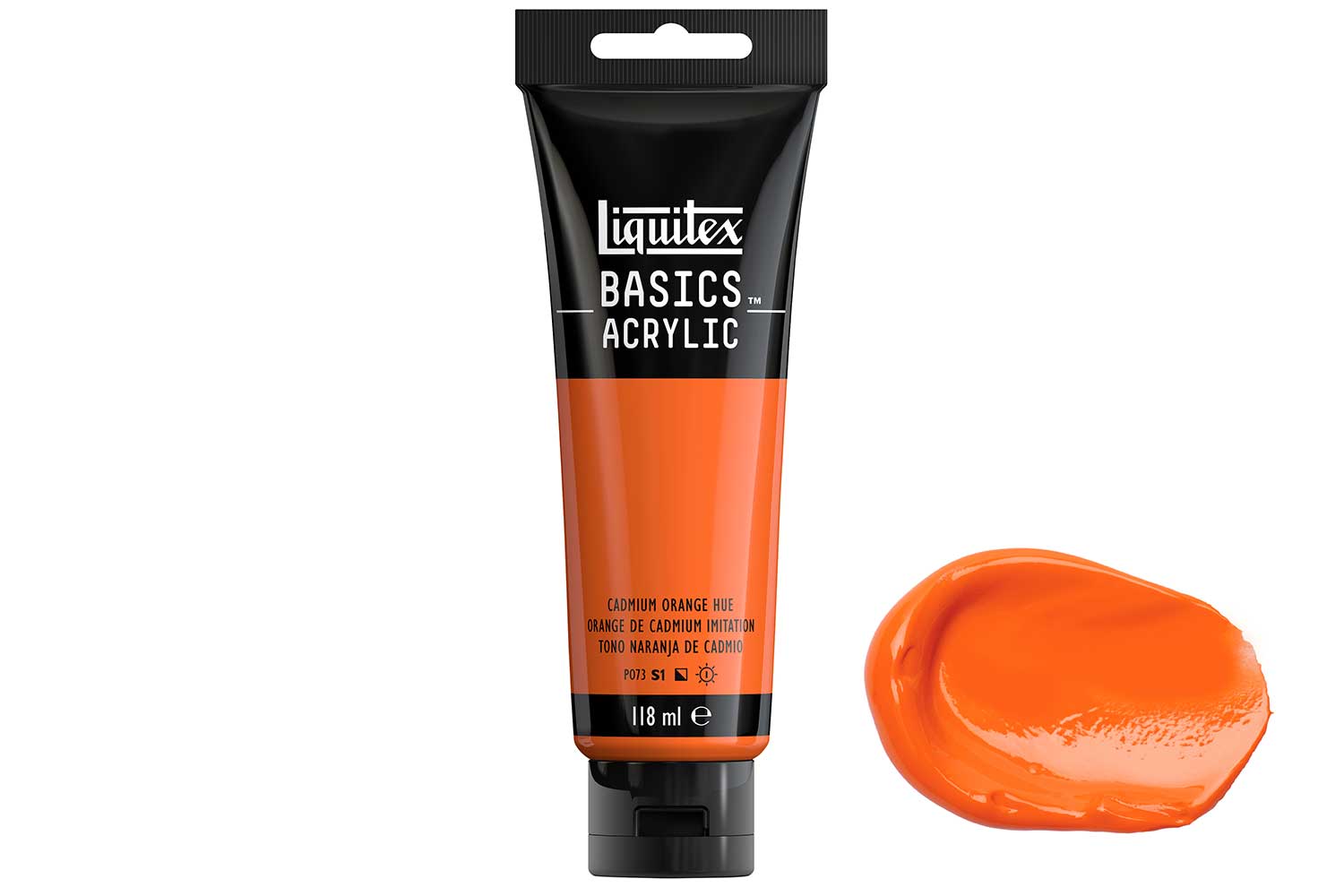
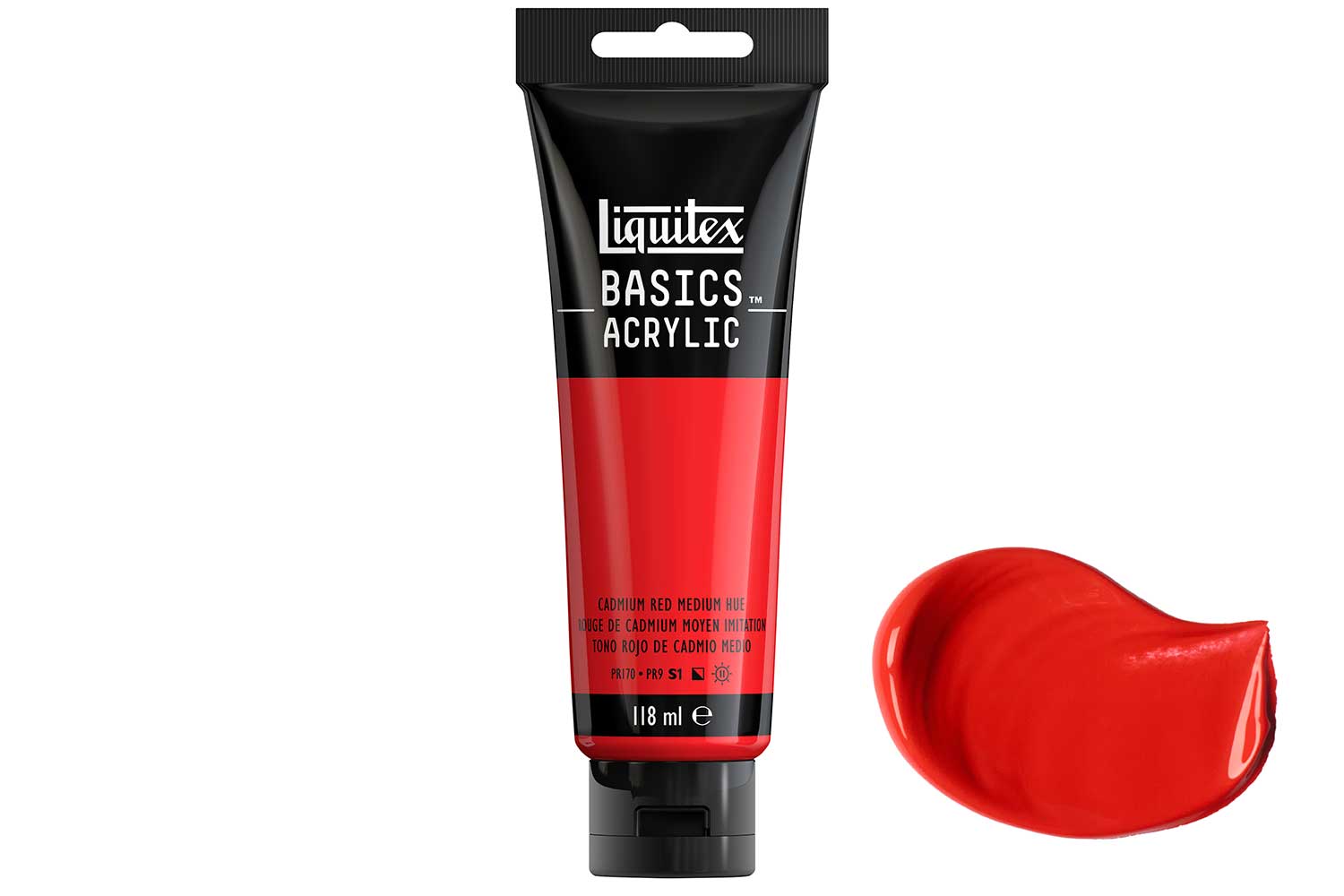
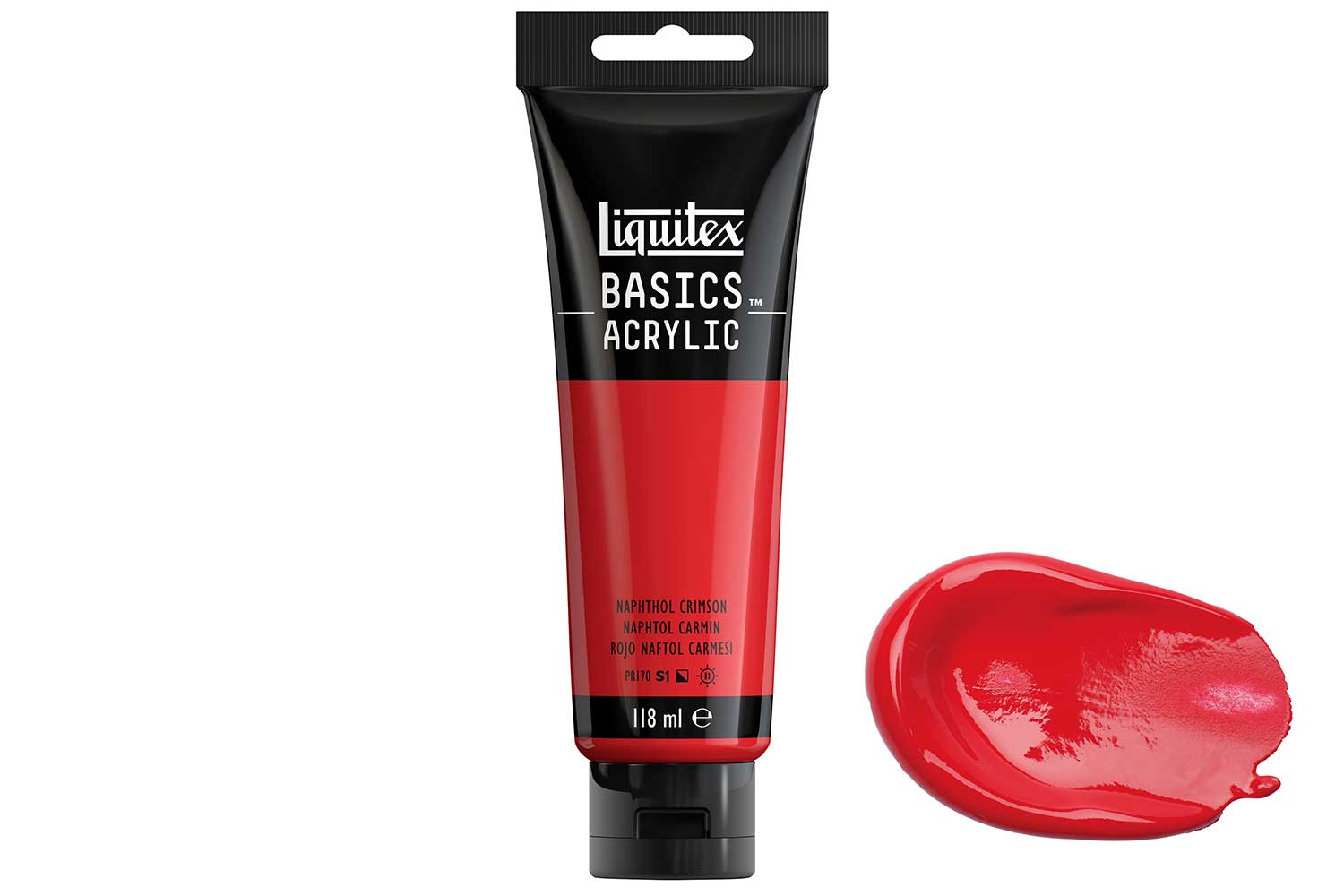
Liquitex Basics Acrylic - Napthol Crimson 292
Réf 60496
7,49€
Available from October 2026
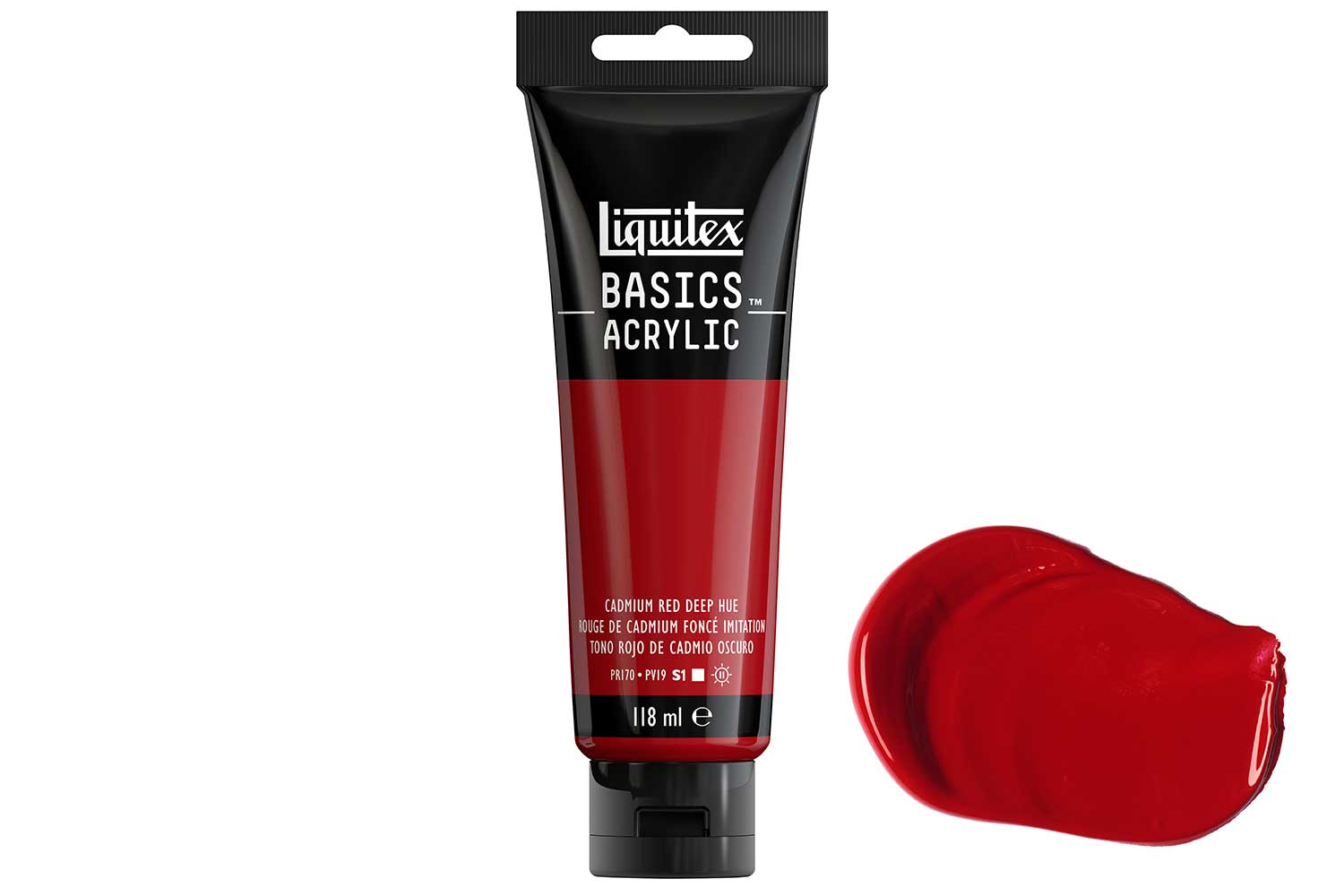
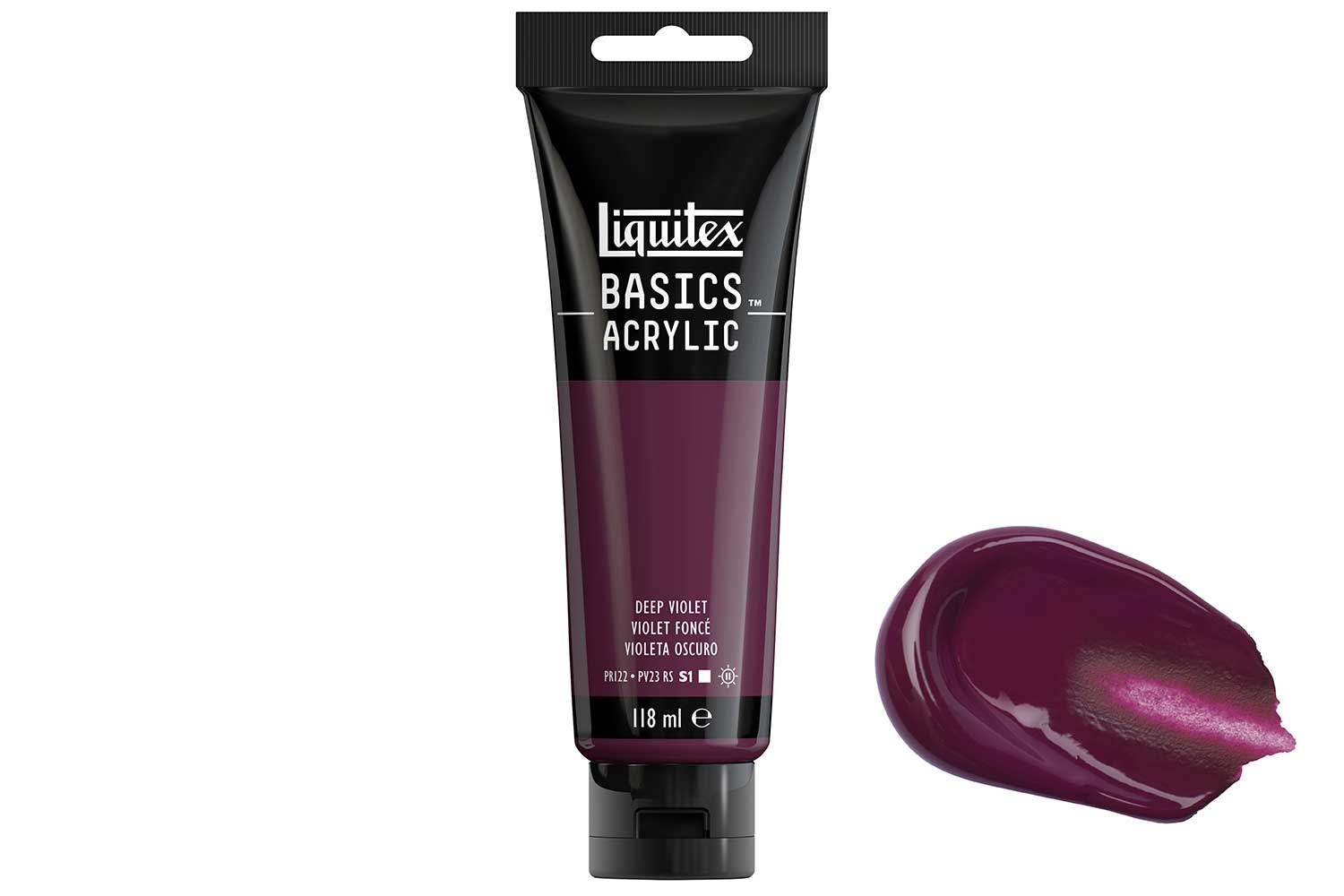
Liquitex Basics Acrylic - Dark Purple 115
Réf 60502
7,49€
Available from October 2026
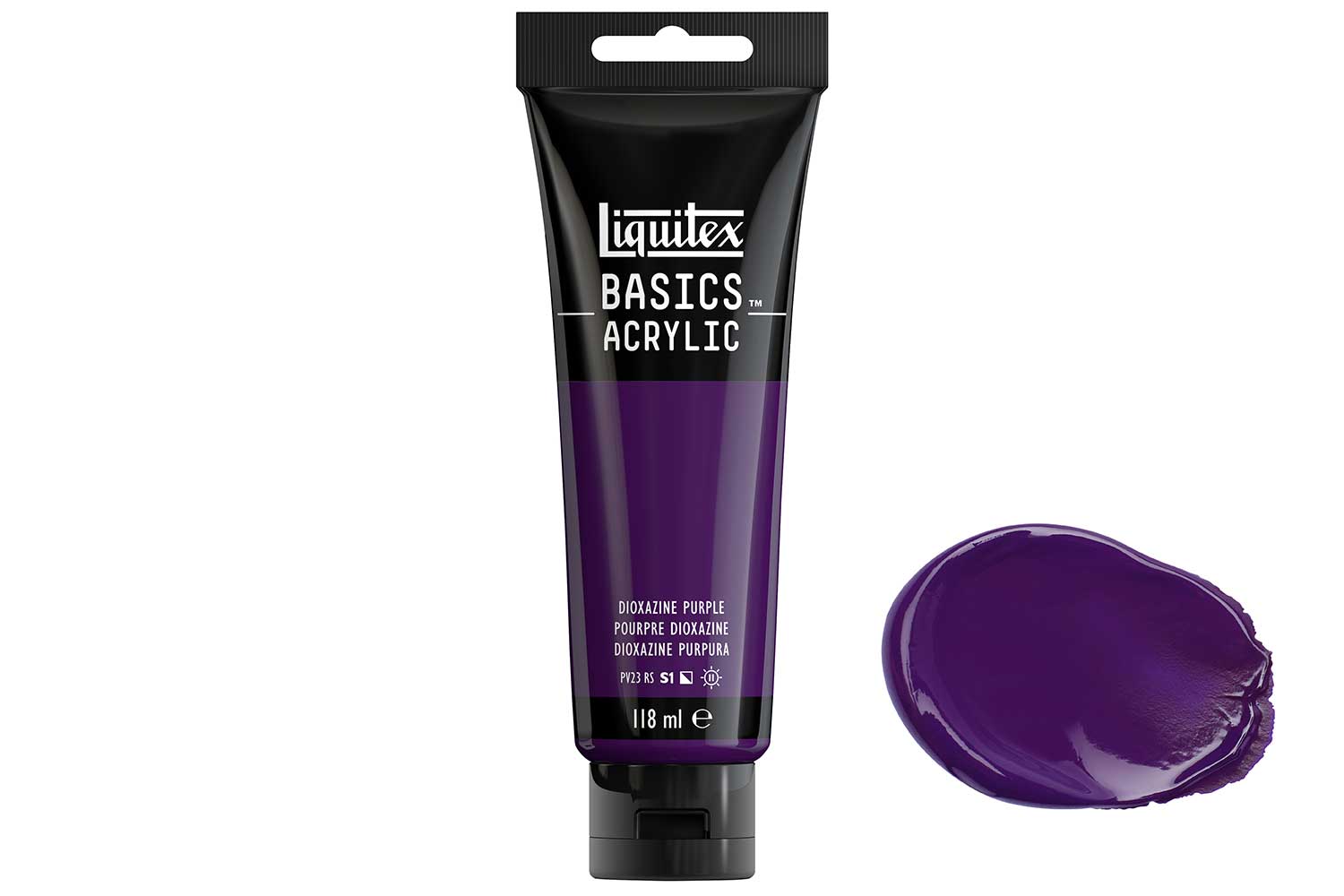
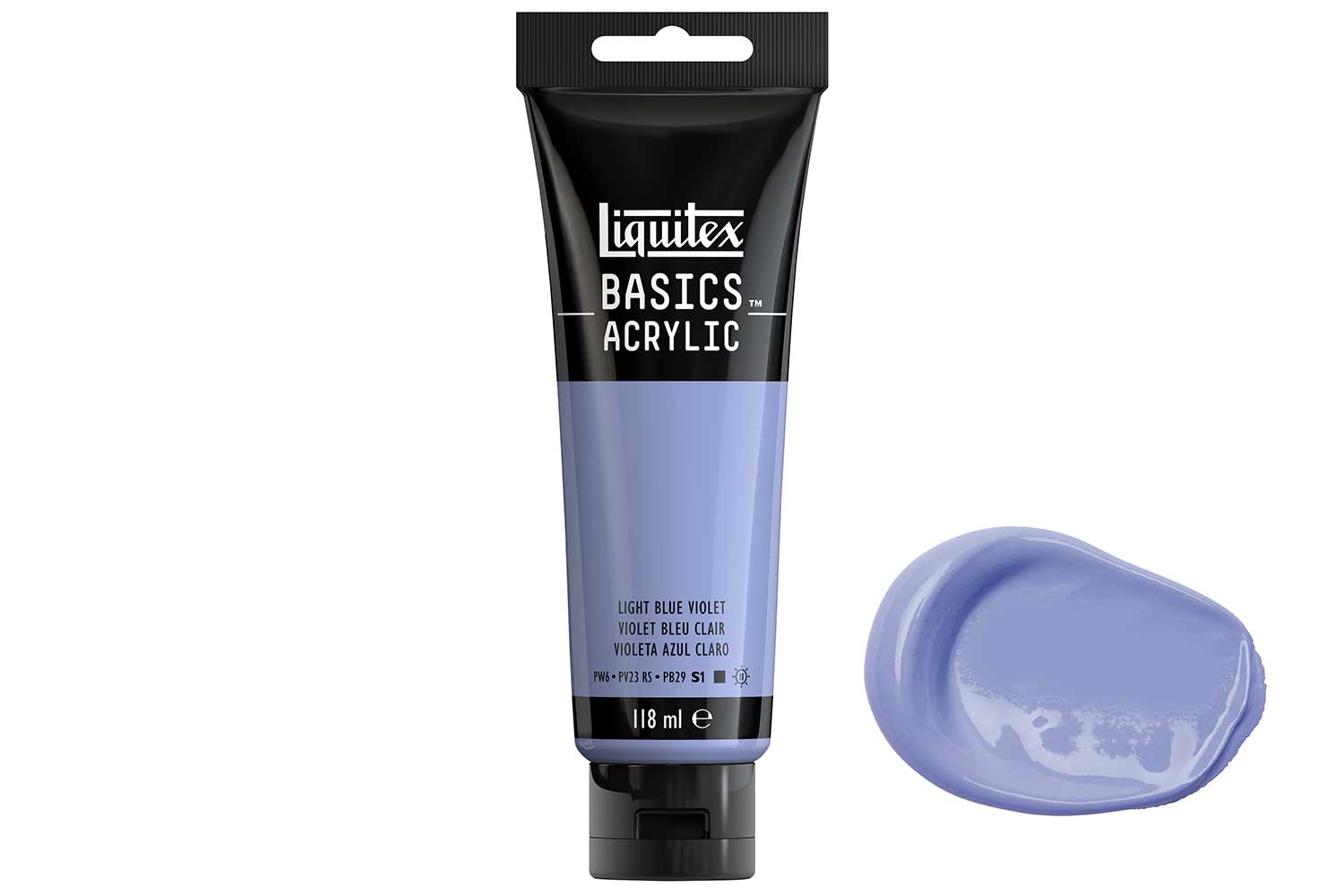
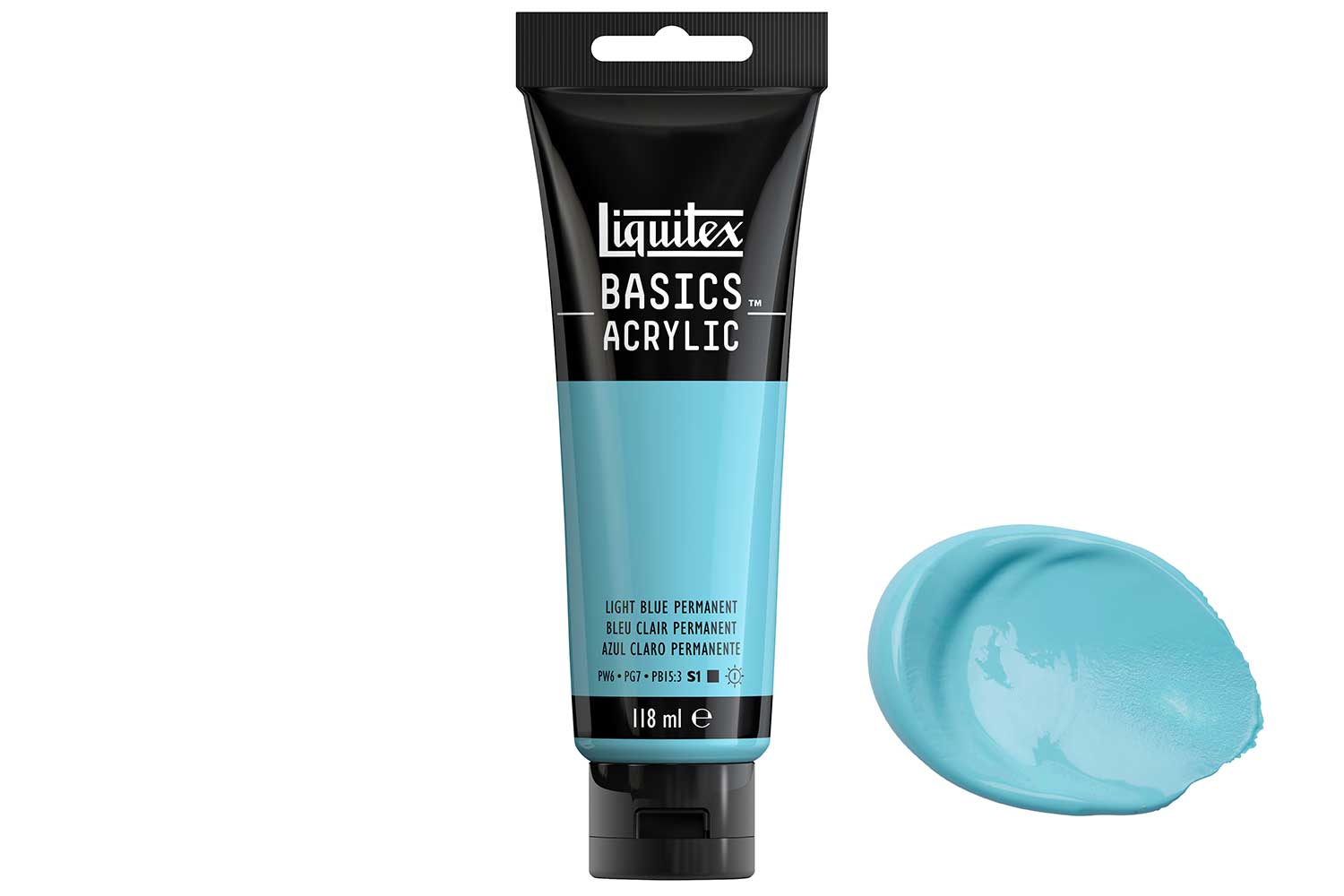
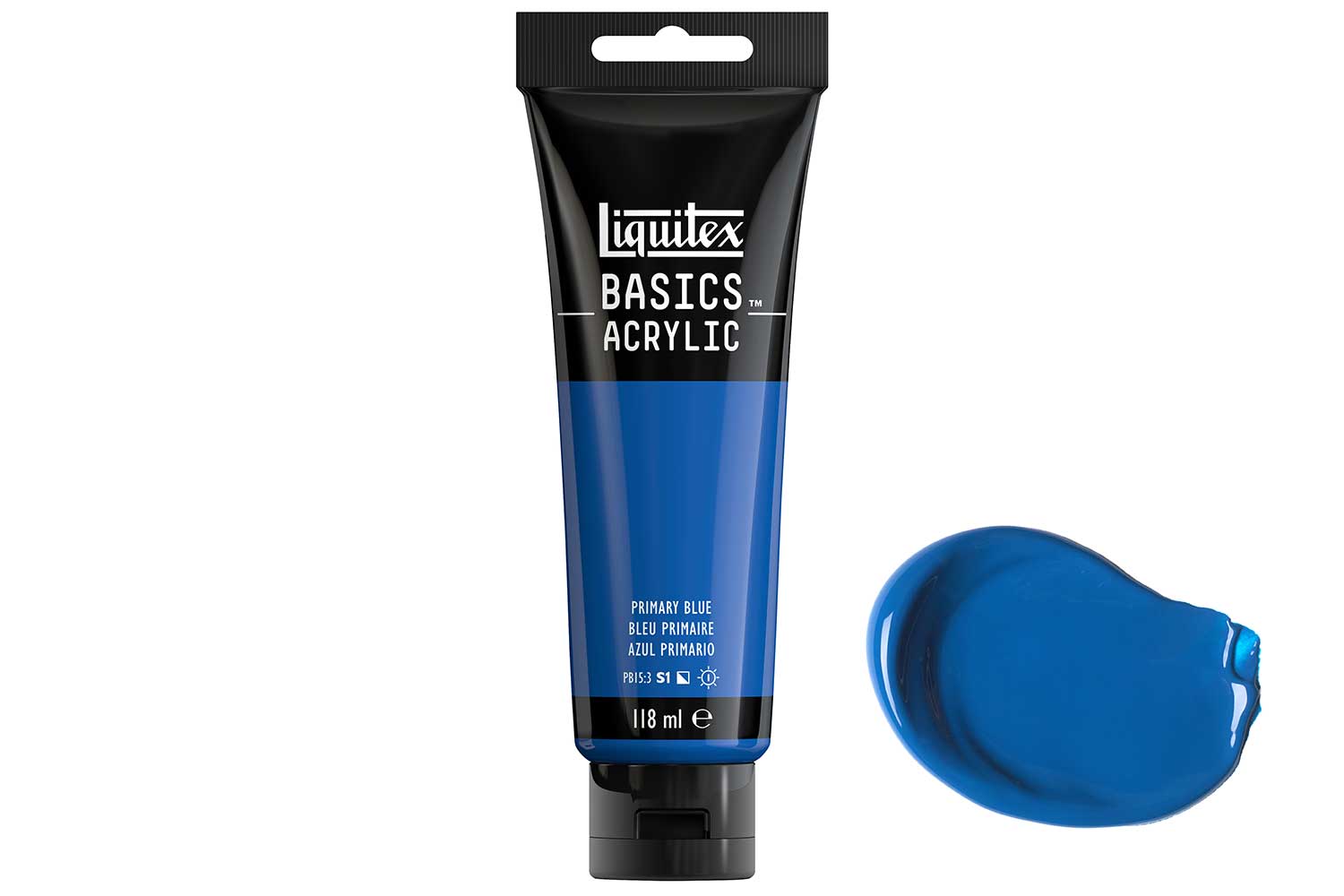
Liquitex Basics Acrylic - Primary Blue 420
Réf 60506
7,49€
Available from October 2026
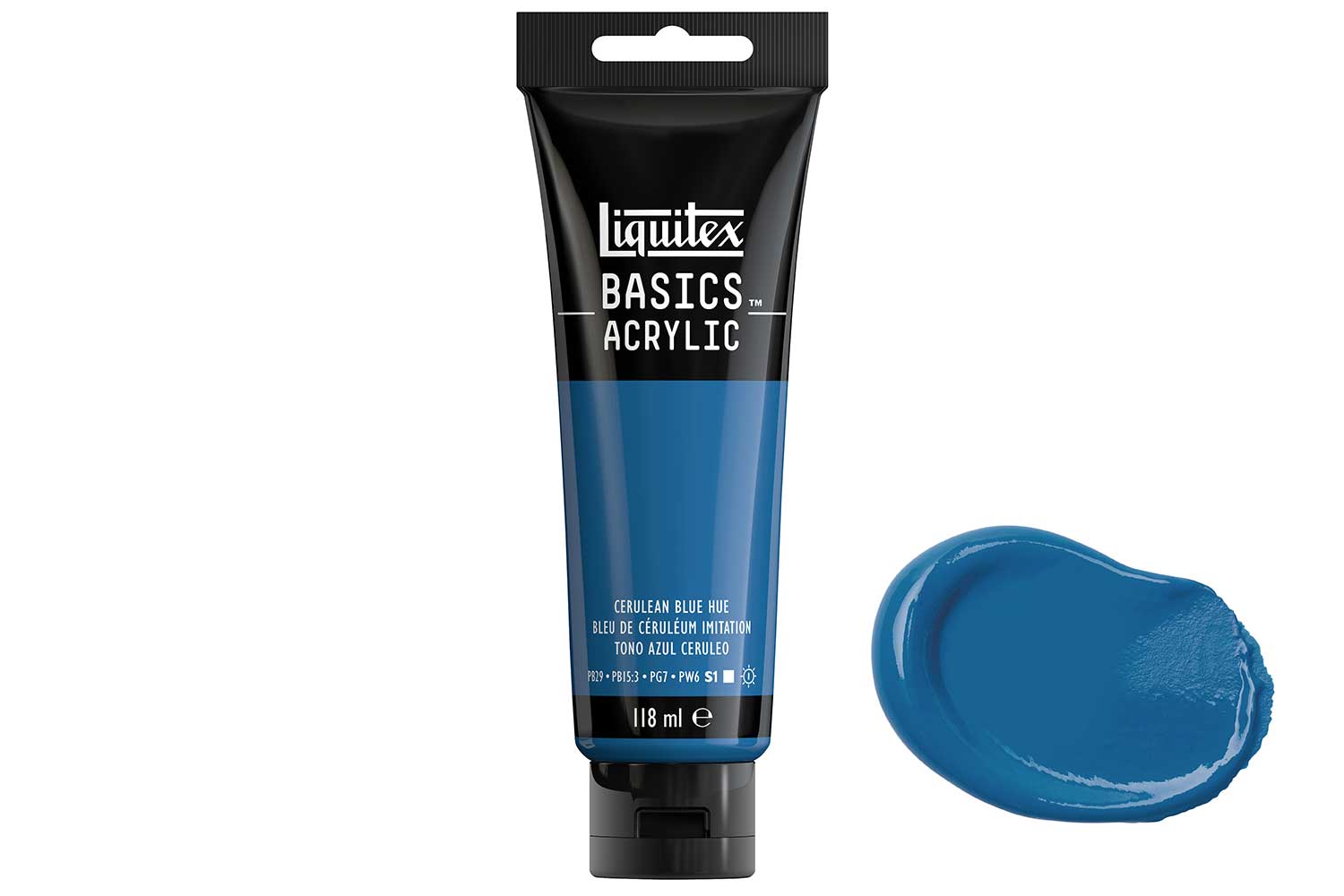
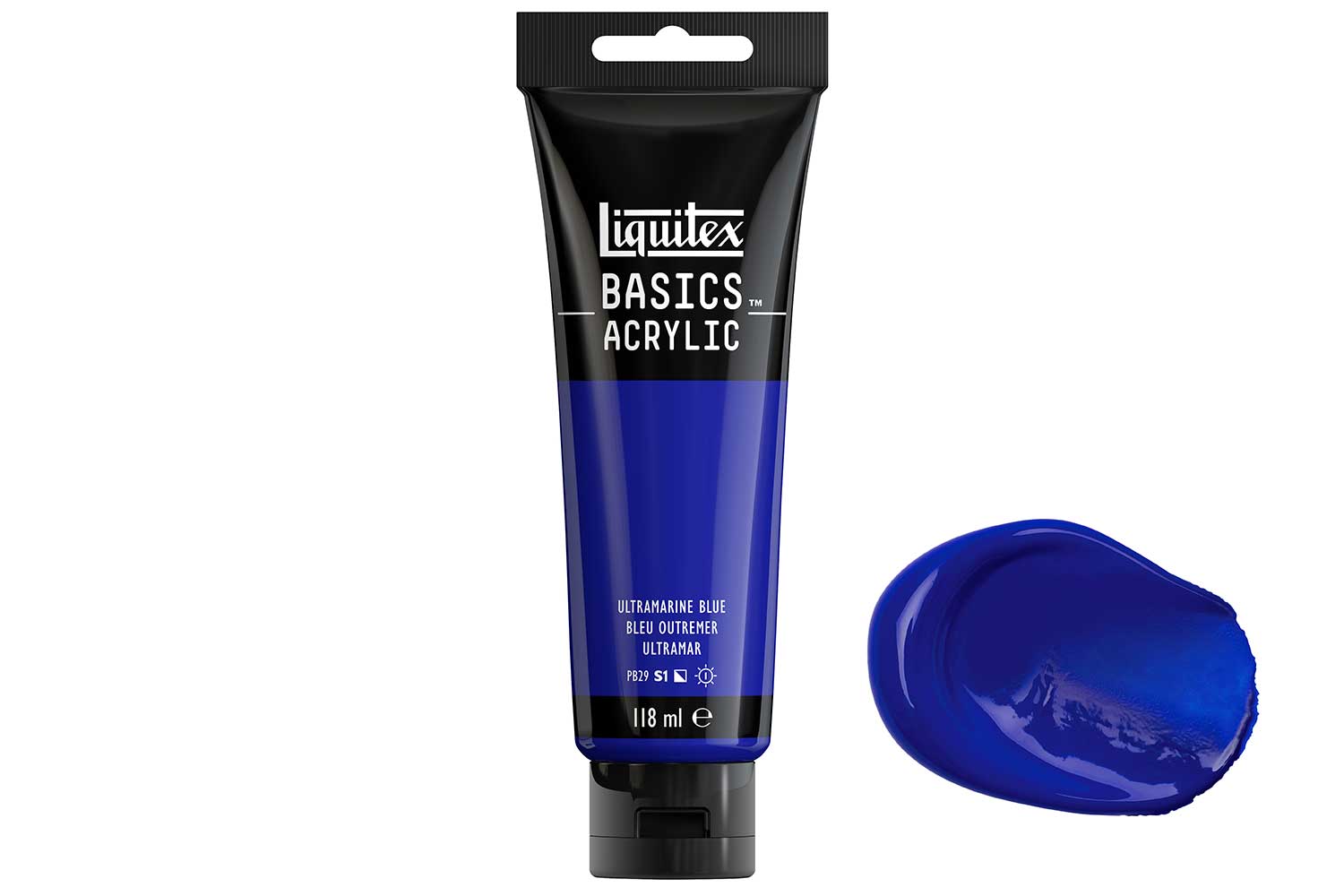
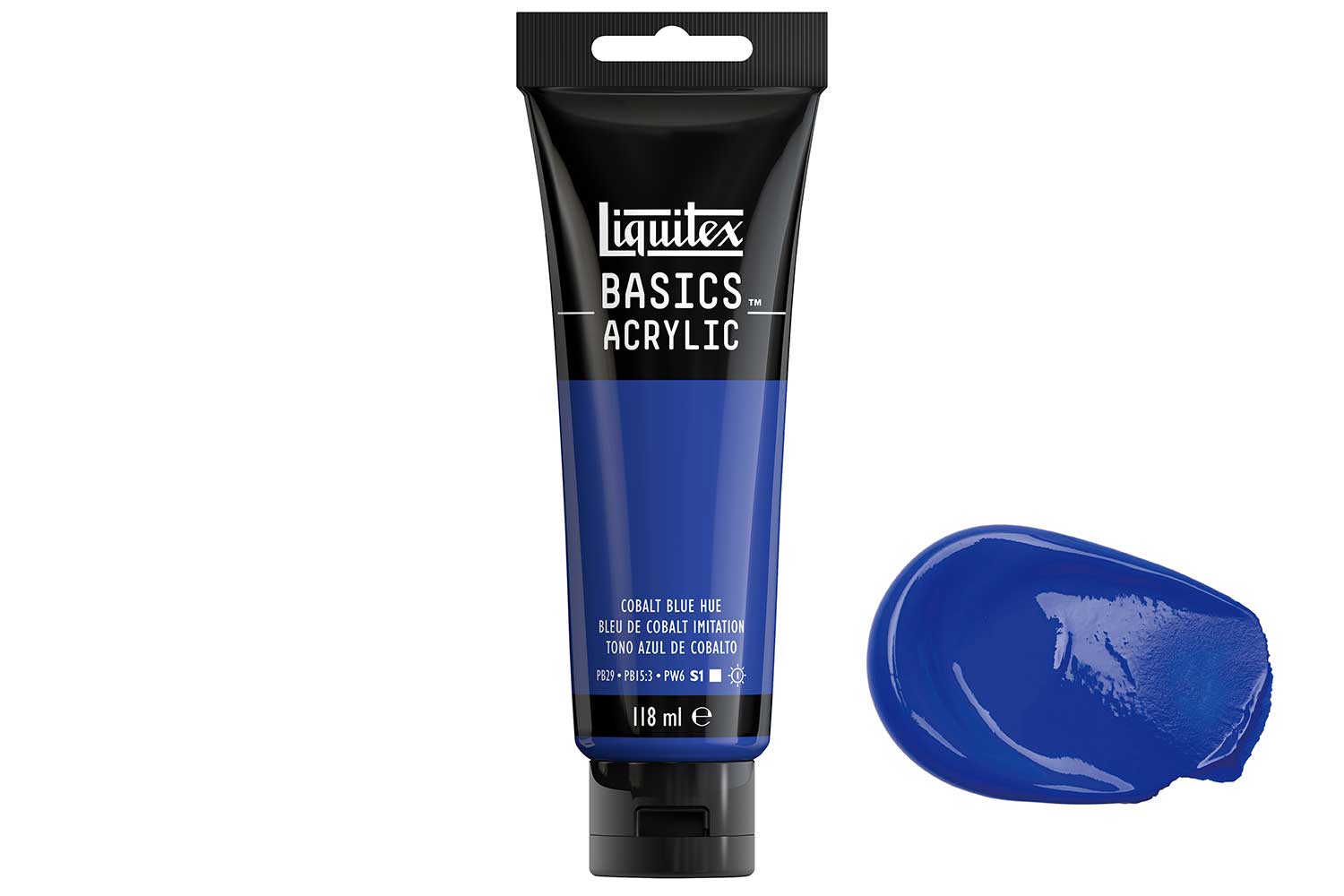
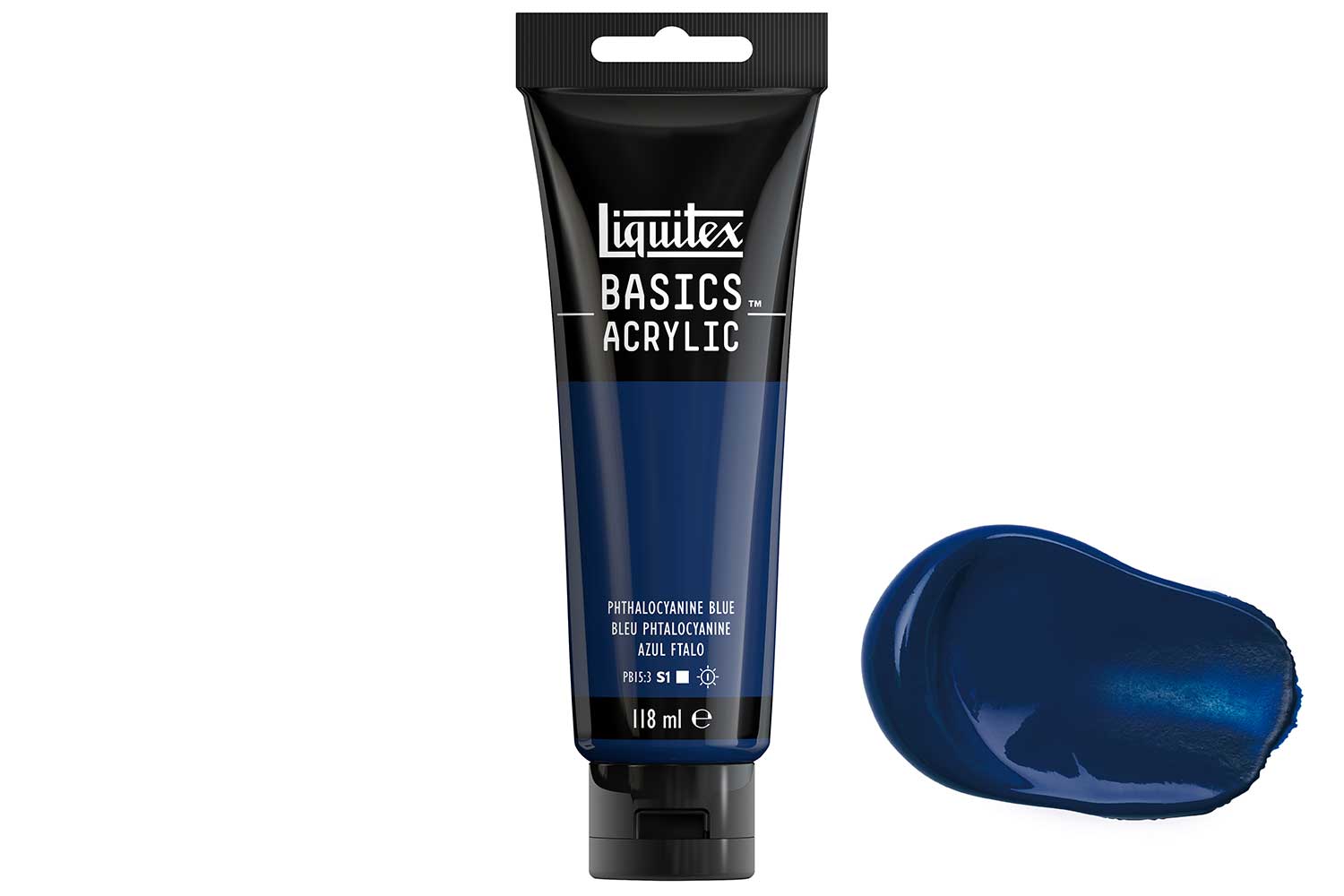
Liquitex Basics Acrylic - Phthalo Blue 316
Réf 60510
7,49€
Available from October 2026
Description
Liquitex Basics, the reference acrylic for learning and practicing. Liquitex is not just any brand: it is the inventor of acrylic paint for artists, developed in 1955. The Basics range is its accessible version, designed for students, workshops, and regular painters. Neither glossy nor completely matte: the satin finish reproduces colors with depth while avoiding annoying reflections. It is the most balanced finish for a canvas intended to be hung.
A medium consistency, the most versatile
Neither too liquid nor too firm, Basics holds the trace of the brush and knife while remaining easy to spread. Specifically, it allows for all acrylic techniques:
- in full paste: covering washes, impasto, knife work
- diluted with water: transparent washes, backgrounds, gradients
- with brush, roller, sponge, knife or finger
Opacity and lightfastness indicated on each tube
Each color carries its technical characteristics: opaque or semi-opaque, and a lightfastness rating: good, very good, or excellent depending on the shade. A valuable piece of information: opaque colors are used for building and covering, while semi-opaque colors are for glazes and overlays. Find the opacity and lightfastness grid for each color among the visuals next to it!
Acrylic dries in a few minutes and becomes water-insoluble. You can layer the paints without disturbing the one underneath, which is the exact opposite of watercolor or gouache. This allows for quickly building a painting, in a single session if needed.
Characteristics:
- Volume: 118 ml tube
- Finish: Satin
- Opacity: Opaque or semi-opaque depending on the shade
- Lightfastness: Good to excellent depending on the shade
- Application surfaces: Canvas, cardboard, wood, thick paper, plaster, terracotta, prepared surfaces
- Cleaning: With water, before drying
FAQ
How to dilute the paint? With water, simply. For significant dilutions or washes, an acrylic medium preserves better adherence and the strength of the film than water alone.
Should the surface be prepared? On raw canvas or bare wood, a layer of gesso improves adherence, uniformity, and color rendering. On already prepared canvas, it is not necessary.
How to clean brushes? With water and soap, immediately after use. Dried acrylic in the brush is very difficult to remove.
What does lightfastness mean? It is the ability of the color to not fade over time. A shade rated as "excellent" is suitable for works intended to be displayed long-term.
You might also like You might also like

Talens Rotal Acrylic Paint - 75 ml
from
3,79€
Talens Acrylic Paint - 200 ml
from
6,90€
Customer review
Give your feedback
Liquitex Basics Acrylic 118 ml
Be the first to share your review of this product.
Post a review