Your cart is empty.
Drawing Papers
The choice of drawing paper influences the outcome of your creations as much as the pencils or pastels used. A smooth paper facilitates precise lines, while textured paper retains pigments better and reveals material effects. Our selection of drawing papers and sketchbooks for Fine Arts includes sketch papers, drawing papers, pastel papers, blotting papers, sheet packs, and notebooks suitable for beginners, art students, and experienced artists alike. On the occasion of the Back to Arts, find the essentials for drawing, painting, or creating freely.
Sketch Paper vs. Drawing Paper: What Are the Differences?
Sketch paper is designed for sketches, studies, and quick drawings. Generally lighter, it is perfect for graphite pencils, lead pencils, or colored pencils during initial studies. Drawing paper often has a higher weight and better resistance to repeated erasing. It provides a more stable support for finished works and dry techniques that require more material. The choice depends on your goal: a sketchbook for daily drawing or drawing paper for creating more elaborate works.
What Paper to Choose for Charcoal or Pastel?
Charcoal expresses itself fully on fine or medium-grain paper, whose texture retains charcoal particles while facilitating blending. Ingres paper or medium-grain paper is particularly appreciated for portraits and volume studies. Pastels require a support that can hold the pigments. A slightly textured pastel paper is suitable for most techniques. Artists looking for more layering can also favor more pronounced papers, such as velvet papers or tinted papers, which enhance colors and contrasts.
Weight, Grain, and Blotting Paper: Understanding Supports
The weight influences the rigidity and resistance of the paper. The higher it is, the better the support withstands erasing, blending, and repeated applications of material. The grain affects the rendering. A fine grain favors details and precise lines, while a medium grain retains more graphite, charcoal, or pastel and facilitates texture effects. Blotting paper has a very high absorption capacity. It is used to quickly absorb excess ink and prevent smudging during writing or certain graphic works.
FAQ
What Paper to Use for Charcoal Drawing?
Charcoal is ideally used on paper with a slight grain. Ingres paper or medium-grain paper retains charcoal particles better and facilitates gradients and blending.
What Paper to Choose for Pastel?
The paper for working with pastel has a textured surface that holds the pigments. Depending on the technique used, you can opt for fine, medium, velvet, or tinted paper to increase layering and intensify colors.
What Is Blotting Paper Used For?
Blotting paper quickly absorbs excess ink. It helps limit smudging and protects documents during ink writing or certain artistic activities.
Complete Your Drawing Materials
Explore techniques suited to your drawing paper. The Fine Arts pastels bring richness of colors and texture effects. Also choose graphite pencils and leads for sketches, charcoals and sanguines for shadow play and drawing accessories specially selected for Fine Arts such as fixatives or drawing boards. By pairing the right support with the right technique, you can fully enjoy quality materials for your drawing activities.
4 products
-

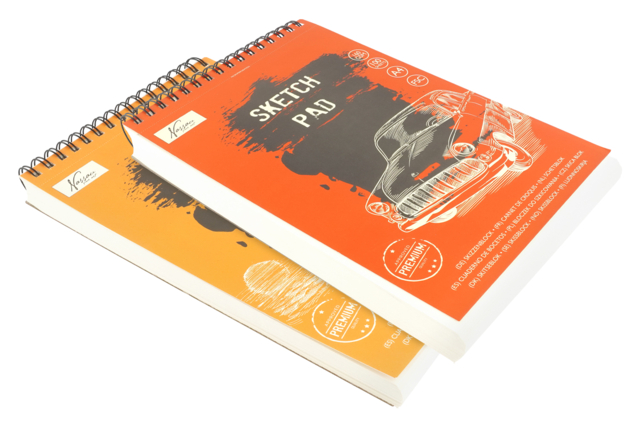
Drawing Paper Pad - A4 Size
from 8,99€ -


Canson XL Sketch Pad - A5, A4, or A3 Size
from 7,29€ -
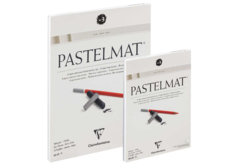
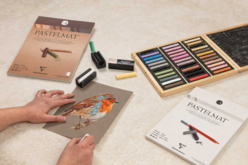
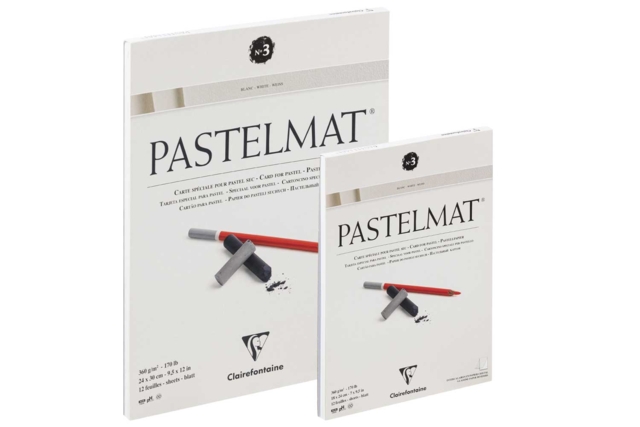
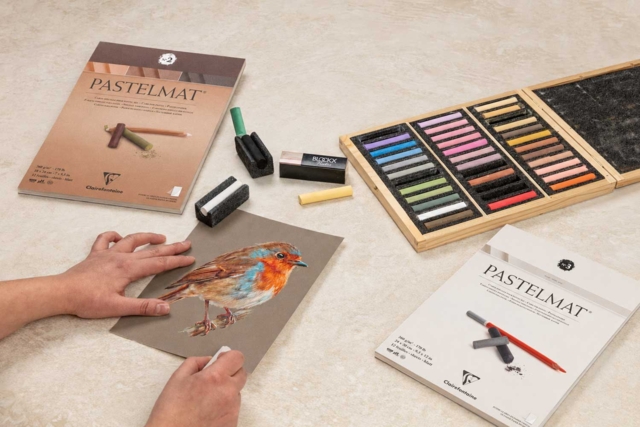
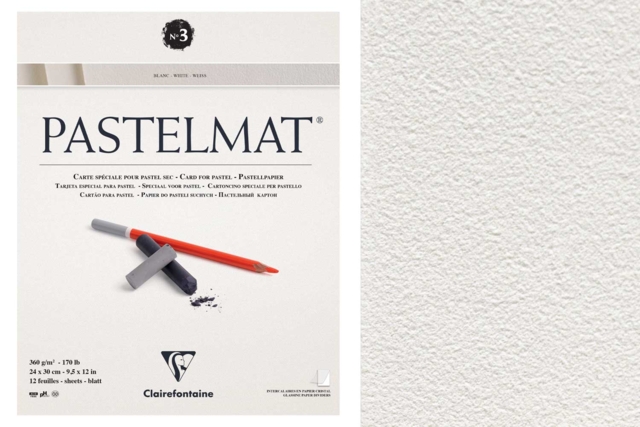
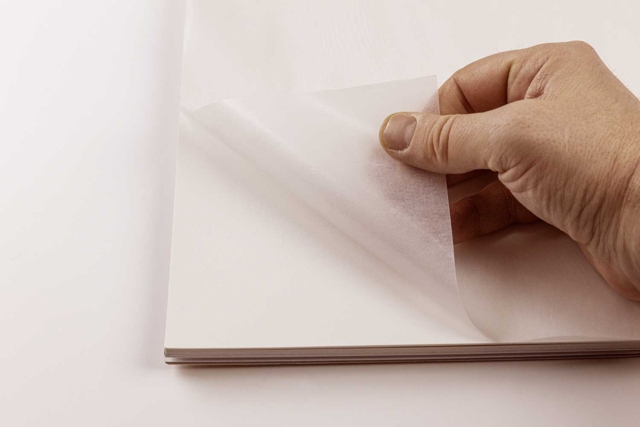
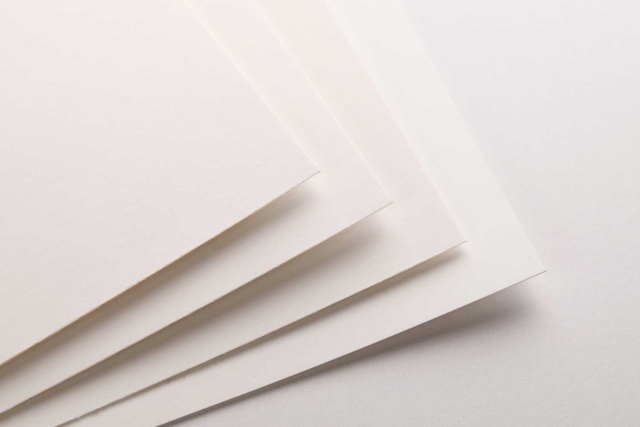
Pastelmat Block No. 3 White, 360 g - Formats Available
from 24,90€ -


Canson XL Drawing Pad - A4 or A3 Size
from 12,99€