Your cart is empty.
Refined Linseed Oil by Pébéo

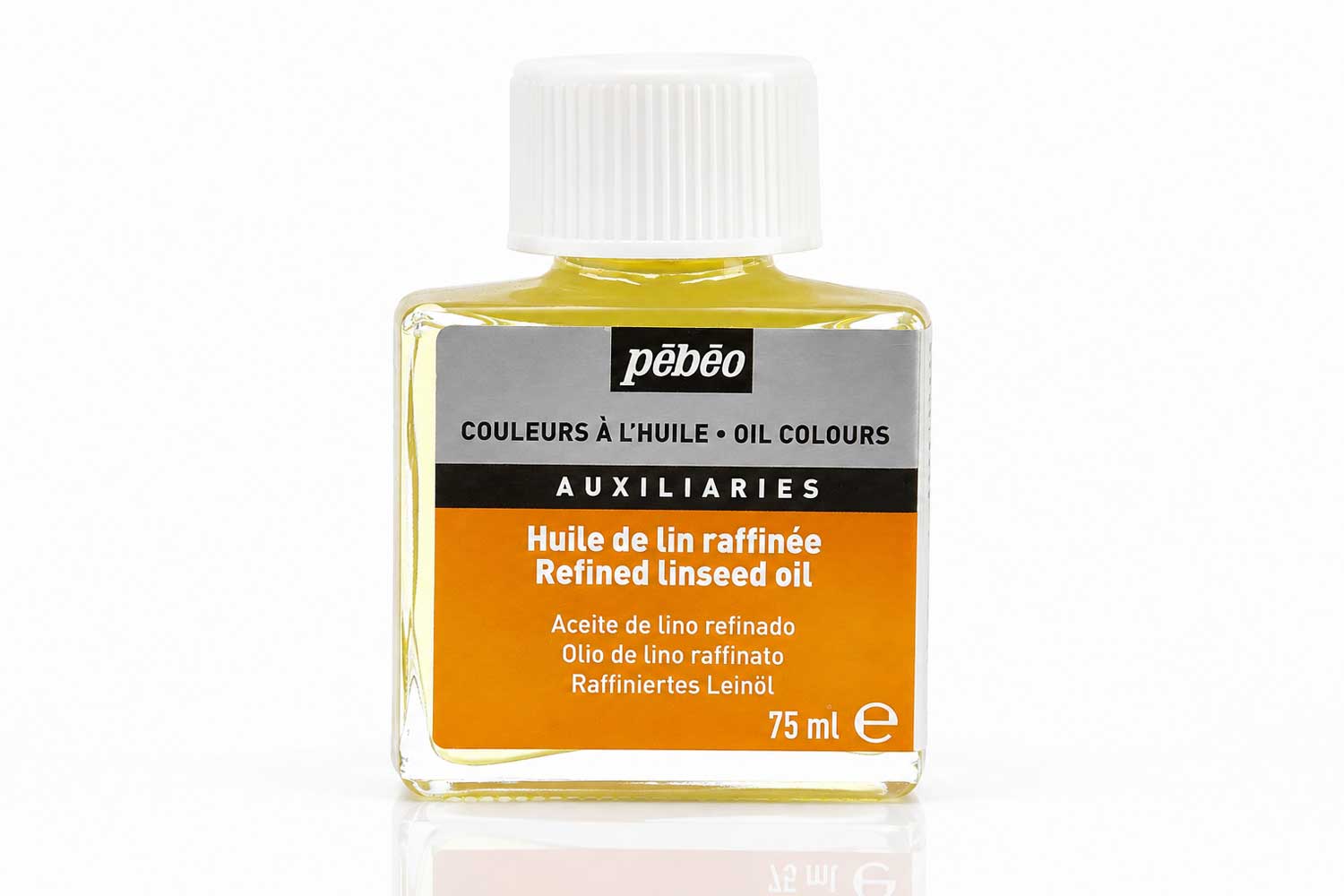
Refined Linseed Oil by Pébéo
Size: 75 ml
Refined linseed oil by Pébéo: an essential helper for oil painting
Linseed oil has been the traditional binder for oil paint since the 15th century. It gives the paint its transparency, depth and durability. When added to paint, it changes its behaviour in three ways:
- It thins the paint: paint straight from the tube is thick. Linseed oil softens it, making the brush glide smoothly and allowing long strokes, blending and controlled gradients.
- It increases gloss: the surface gains shine, without the dull, slightly dry look of paint thinned only with solvent.
- It adds depth: linseed oil is used for glazing, layering transparent veils that make the underlying colour glow. No other technique achieves this luminosity.
An essential technical role: fat over lean
In oil painting, each layer must be fatter than the one beneath to avoid cracking. This is the rule of fat over lean. Linseed oil lets you gradually enrich each layer: start lean (paint thinned with solvent), finish fat (paint enriched with oil).
How to use it:
Use linseed oil as a painting medium by mixing it with turpentine. A classic mix is about one third oil to two thirds turpentine, adjusted by layer: more turpentine at the start, more oil as you progress. Avoid using too much oil. Excess oil makes the surface sticky, greatly slows drying and can cause yellowing over time.
What’s the difference between linseed oil and turpentine? Turpentine is a solvent: it evaporates, thins the paint and speeds drying. Linseed oil is a binder: it stays in the paint film, enriches it, adds gloss and slows drying. Together they form a painting medium.
Description
Refined linseed oil by Pébéo: an essential helper for oil painting
Linseed oil has been the traditional binder for oil paint since the 15th century. It gives the paint its transparency, depth and durability. When added to paint, it changes its behaviour in three ways:
- It thins the paint: paint straight from the tube is thick. Linseed oil softens it, making the brush glide smoothly and allowing long strokes, blending and controlled gradients.
- It increases gloss: the surface gains shine, without the dull, slightly dry look of paint thinned only with solvent.
- It adds depth: linseed oil is used for glazing, layering transparent veils that make the underlying colour glow. No other technique achieves this luminosity.
An essential technical role: fat over lean
In oil painting, each layer must be fatter than the one beneath to avoid cracking. This is the rule of fat over lean. Linseed oil lets you gradually enrich each layer: start lean (paint thinned with solvent), finish fat (paint enriched with oil).
How to use it:
Use linseed oil as a painting medium by mixing it with turpentine. A classic mix is about one third oil to two thirds turpentine, adjusted by layer: more turpentine at the start, more oil as you progress. Avoid using too much oil. Excess oil makes the surface sticky, greatly slows drying and can cause yellowing over time.
What’s the difference between linseed oil and turpentine? Turpentine is a solvent: it evaporates, thins the paint and speeds drying. Linseed oil is a binder: it stays in the paint film, enriches it, adds gloss and slows drying. Together they form a painting medium.
Complete your project Complete your project




You might also like You might also like


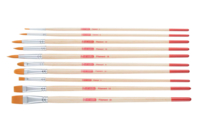
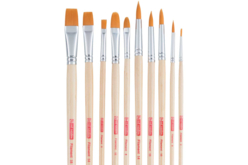
Paintbrush and Palette Set - 10 Pieces
7,90€
9,90 €
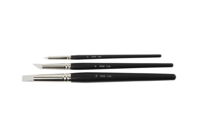


Plastic Spatulas - 5 Pieces
from
2,19€/set
Customer review
Give your feedback
Refined Linseed Oil by Pébéo
Be the first to share your review of this product.
Post a review